Desire for 'very ordinary day' signals shift in conversation around happiness, experts say
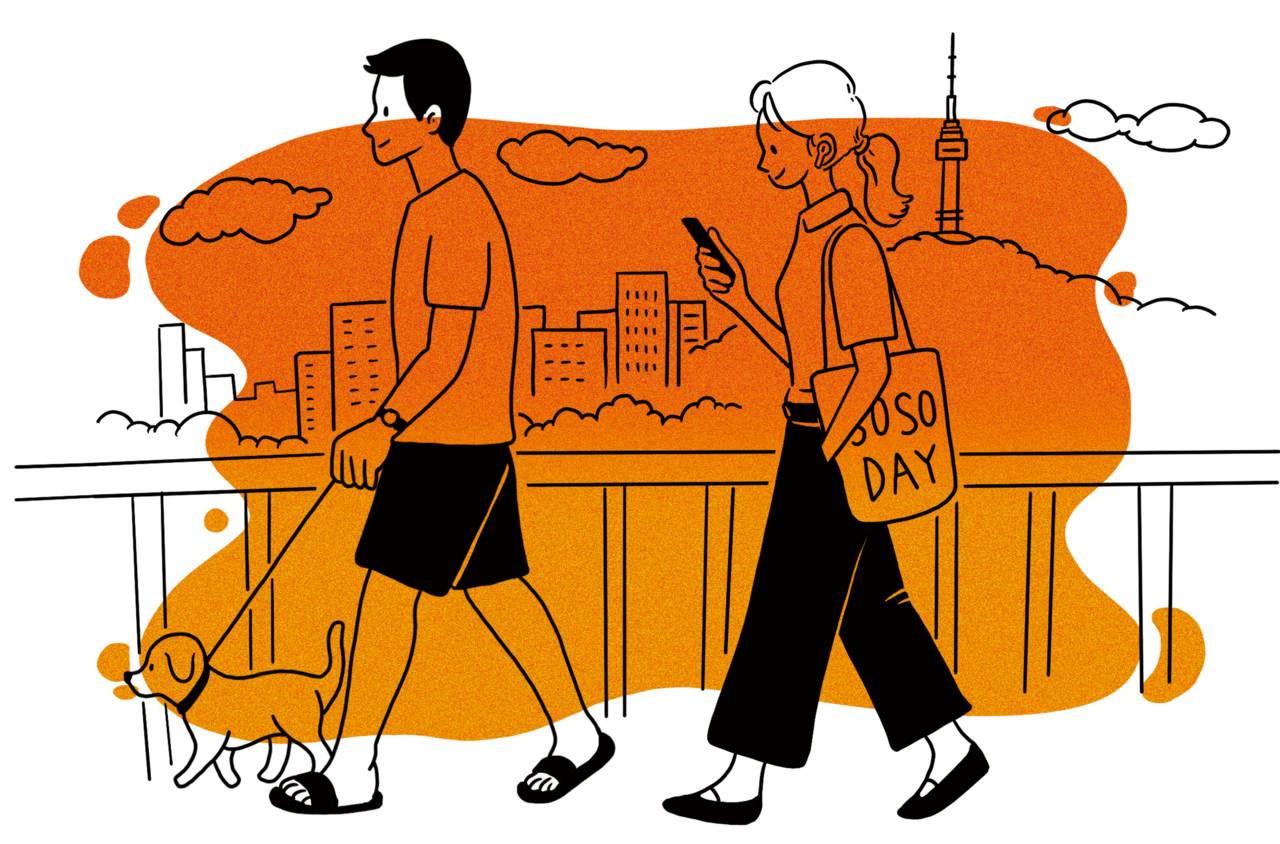
Every evening, 31-year-old office worker Choe Sung-ha used to scroll through social media platforms and browse online portals, looking for something to fill her after-work hours.
“I wanted to do something that made me look put-together,” Choe told The Korea Herald. “Something that would make me look cool and on top of my game, like going to book club meetings, trying CrossFit when I’m far from being athletic and so on.”
Over time, Choe added that those activities left her “more drained than fulfilled.”
“I realized these activities weren’t really what I wanted to do — I was consistently working myself to do something instead of resting, even after work,” said Choe.
Choe’s experience reflects a growing shift among South Koreans who are turning away from high-energy, performative hobbies in favor of slower, chill routines.
In recent months, this trend has been represented by the keyword “aboha” — a Korean portmanteau of "aju botong-eui haru" that translates into “a very ordinary day.” The term has emerged as one of this year’s defining lifestyle trends, capturing Koreans’ desire to find comfort in uneventful, unpolished moments rather than curated productivity.
From simple arts and crafts projects to evening walks and decorating their homes, many South Koreans are embracing quiet, ordinary routines that help them unwind without pressure.

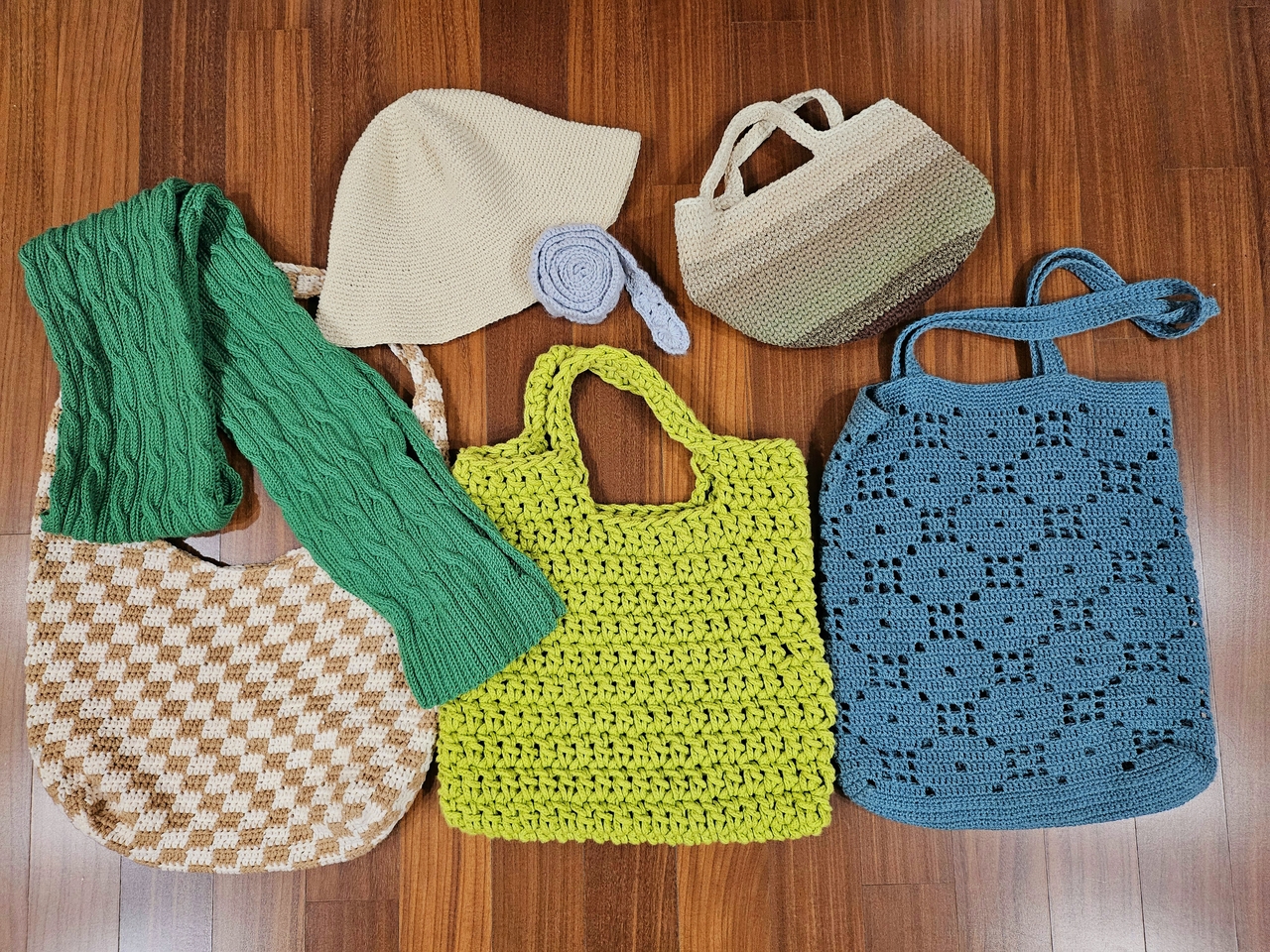
Among such hobbies, knitting — previously an activity mostly enjoyed by the older generation — has seen a surprising rise in popularity, especially among young Koreans wishing to adopt the aboha lifestyle.
For Kim, 26, a recent graduate preparing for a Ph.D. program, knitting became more than a hobby; it is a form of quiet self-affirmation.
“There are days when I work hard but feel like I have nothing to show for it, and that leaves me feeling empty,” Kim, who wished to only be identified by her last name, told The Korea Herald. “But with knitting, I can actually see something forming from my own hands. When I repeatedly knit something of the same pattern over and over again, my hands move on their own and that repetition helps me empty my head. I focus only on what my hands are doing and I feel a quiet kind of satisfaction.”
Others are finding similar comfort through different, low-pressure rituals.
“Every Wednesday and Friday of the week, I give myself an hour to take a walk during sundown or at night. I don’t listen to music or track my workout — I just walk to help me slow down and reset,” said Choe.
“I’m not taking these walks for the purpose of losing weight or working out, but to just relax. I feel like Korean society pressures me to constantly do something and to be busy — but these quiet walks help me to step away from the pressure and give space for me to pause and zone out from reality a bit.”
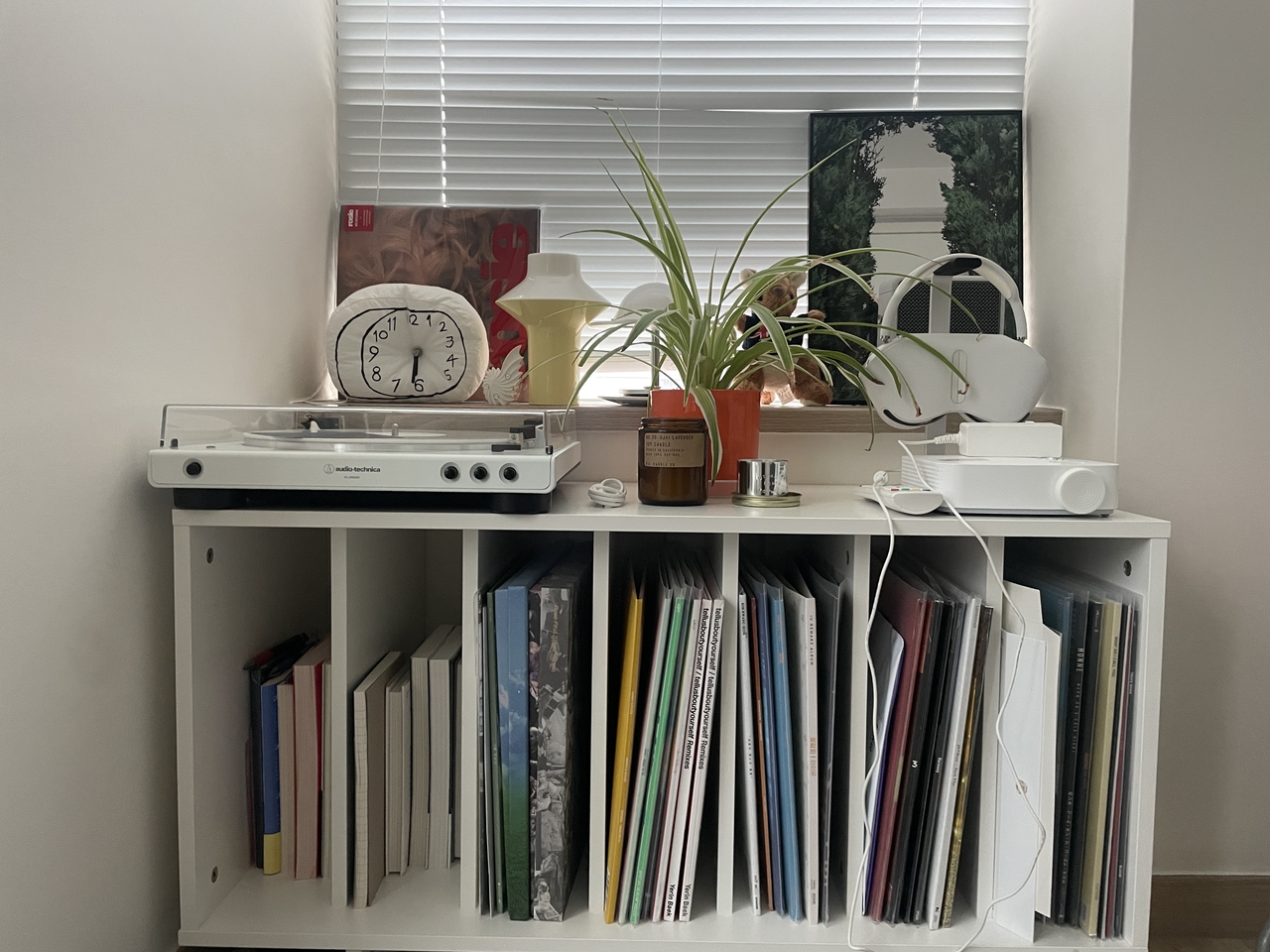
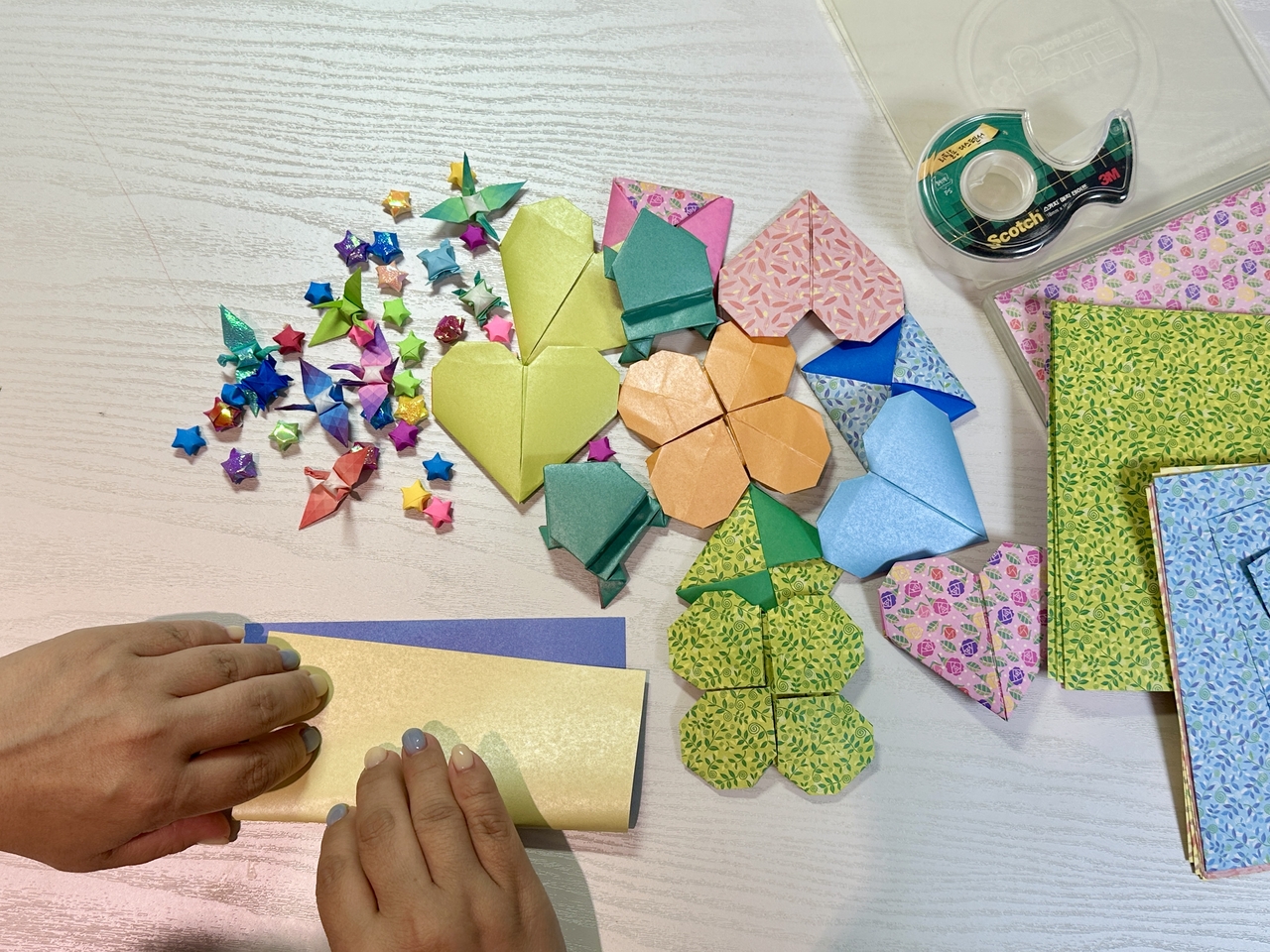
Other than knitting and nighttime walks, home decor for slow enjoyment and origami to enhance focus are some of the more popular aboha activities. Some also say that lying at home while watching TV shows on streaming platforms and YouTube is their own form of aboha.
Desire to detach
Sociologists say the popularity of aboha reflects a growing desire among Koreans to “detach from the pressures that come from a busy society that values hyperproductivity” and instead “find value in stillness.”
“In Korean society, we’d often find people being pressured into doing something meaningful all the time, even using hobbies to perform productivity,” sociology professor Koo Jeong-woo of Sungkyunkwan University told The Korea Herald. “Even rest has been monetized or stylized to look desirable and fancy, for example, through curated social media posts and videos.”
Koo added that the recent rise in the aboha lifestyle could also be due to a rising number of Koreans “being mentally exhausted” due to high pressure work culture. According to the National Center for Mental Health, 7 out of 10 Koreans experienced mental health issues such as stress and depression — with more than 40 percent of the respondents indicating that they had experienced severe forms of stress and depression.
Sociology professor Jeon Sang-jin from Sogang University also told The Korea Herald that the aboha trend signals a “cultural shift.”
“Korean society previously saw lifestyle trends revolving around 'sohwakhaeng,' focused on attainable pleasure,” said Jeon. "Sohwakhaeng" is a Korean phrase that translates into small but certain happiness.
“However, this later turned into a competition for small luxuries meant to show off their pleasures to others. Aboha, on the other hand, stands for self-contentment.”
Jeon added that aboha also indicates a shift in Korea’s discourse around happiness.
“People are moving away from the obsession of achieving grand accomplishments and the pressure to be constantly happy and to do something meaningful,” Jeon mentioned. “Instead, they’re embracing an attitude that sees peaceful, uneventful days as meaningful, too.”
lee.jungjoo@heraldcorp.com




![[Weekender] Are men with type B blood really womanizers?](https://wimg.heraldcorp.com/content/default/2018/07/26/20180726000649_0.jpg?type=h&h=240)

![[Weekender] [K-School] From lobster to rose tteokbokki, Korean school food continues to evolve](https://wimg.heraldcorp.com/content/default/2023/12/07/20231207000820_0.jpg?type=h&h=240)