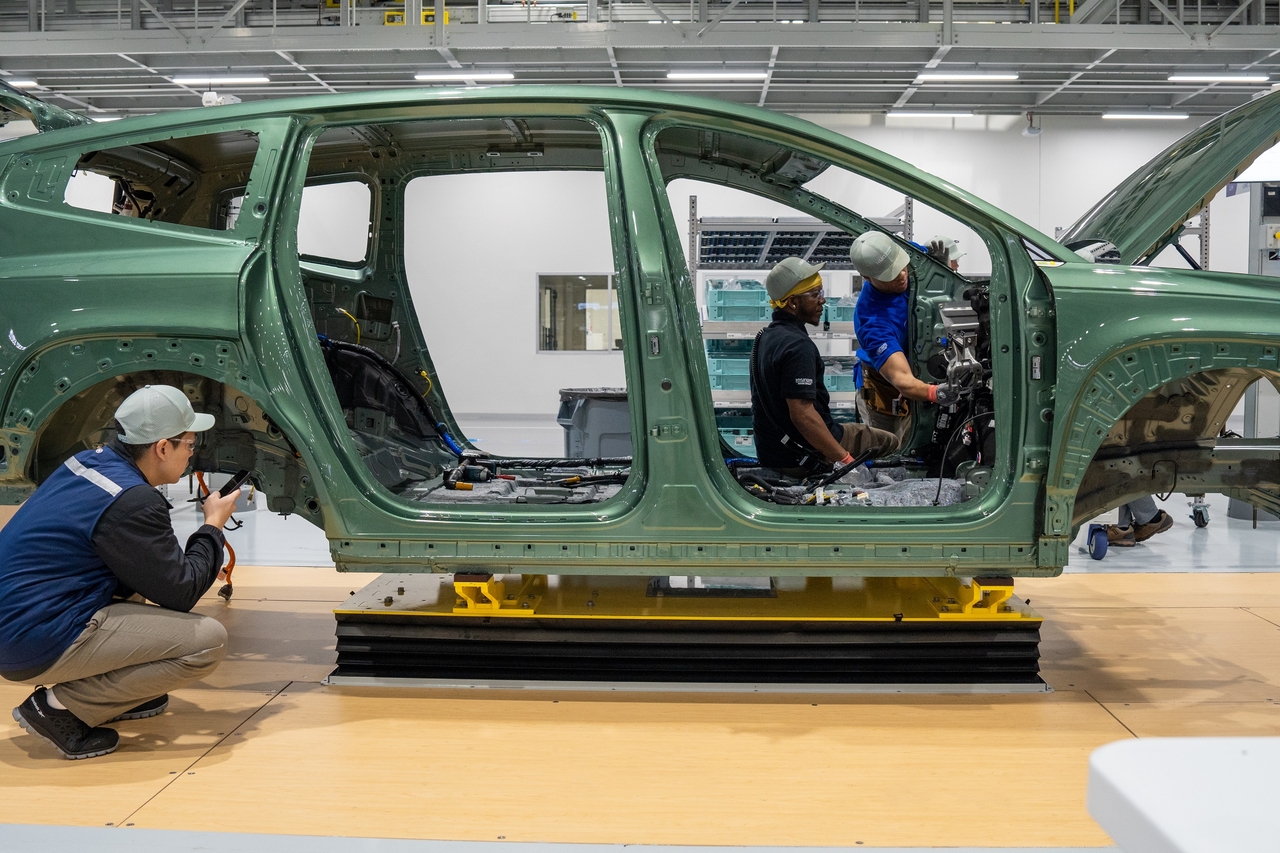
The new 15 percent tariff deal between South Korea and the US is forcing Hyundai Motor Group to fundamentally rethink its strategy in its second-largest market. With the loss of its zero-tariff edge under the South Korea-US free trade agreement, the Korean auto giant is now grappling with tough choices — from adjusting vehicle prices to relocating production of key models from Korea to the US.
Tariff impacts
- New 15% US tariff on Korean car exports replaces previously threatened 25% duty.
- Hyundai Motor and Kia export 1.5 million vehicles to the US annually — about 25% of total global sales.
- Estimated 3-4% hit to overall profit margin, prompting strategic overhaul.
No room for big price hikes
- Raising prices by over 3% would be needed to offset losses.
- But Hyundai risks losing competitiveness if it increases prices more than rivals like Toyota, which has already raised prices by $200–$270.
- Hyundai’s pricing strategy likely to focus on regional customization, option flexibility, including removal of some standard features.
Production shift on the table
- Hyundai is in talks with labor unions to shift production of high-demand models — especially hybrids and SUVs — from Korea to the US.
- All Hyundai Motor and Kia hybrid models are currently made in Korea despite surging US demand.
Labor union hurdle
- A 1999 labor agreement requires union approval for any overseas production shift.
- Experts say this will need to be renegotiated due to what’s described as a “life-or-death threat” to Hyundai’s export-driven business model.
What’s at stake
- Hyundai sold 28,733 hybrid vehicles in the US in July, up 38% year-on-year.
- Shifting hybrid production could help avoid tariffs and protect market share, but labor resistance could delay plans.
Industry outlook
- Without union cooperation, Hyundai may face declining profits, with ripple effects on domestic wages and incentives.
- Analysts warn that Hyundai must act quickly to realign production, pricing, labor strategy to survive new tariff landscape.