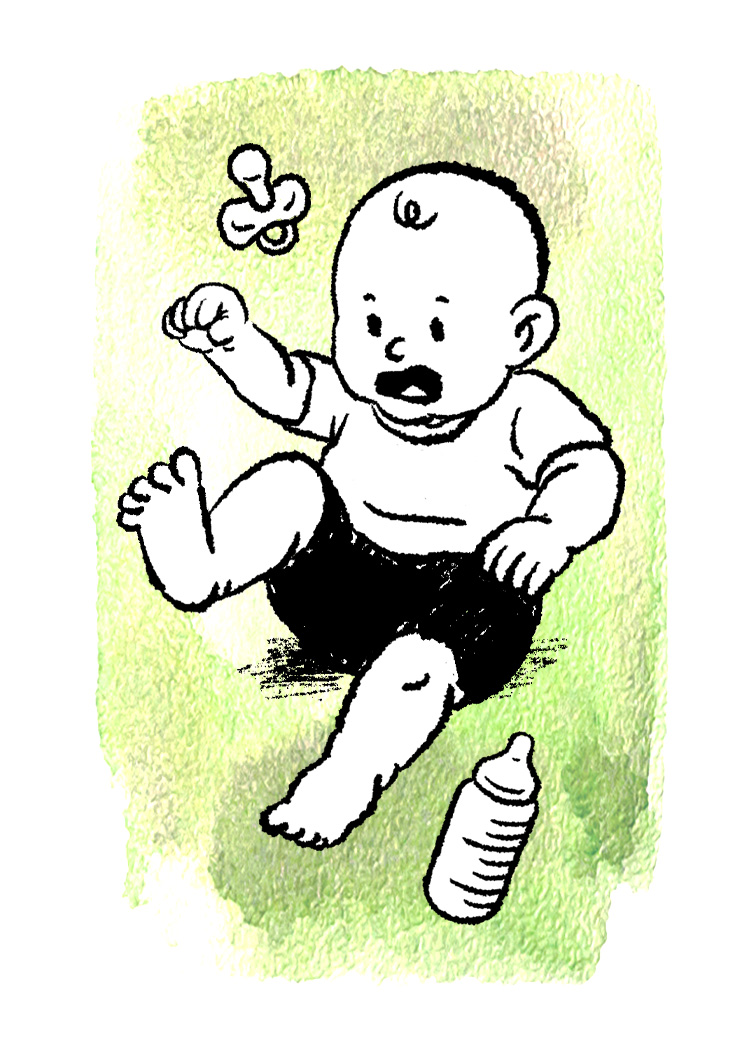
Cutting the umbilical cord marks a baby’s entry into the world -- a quiet yet powerful signal of life’s beginning.
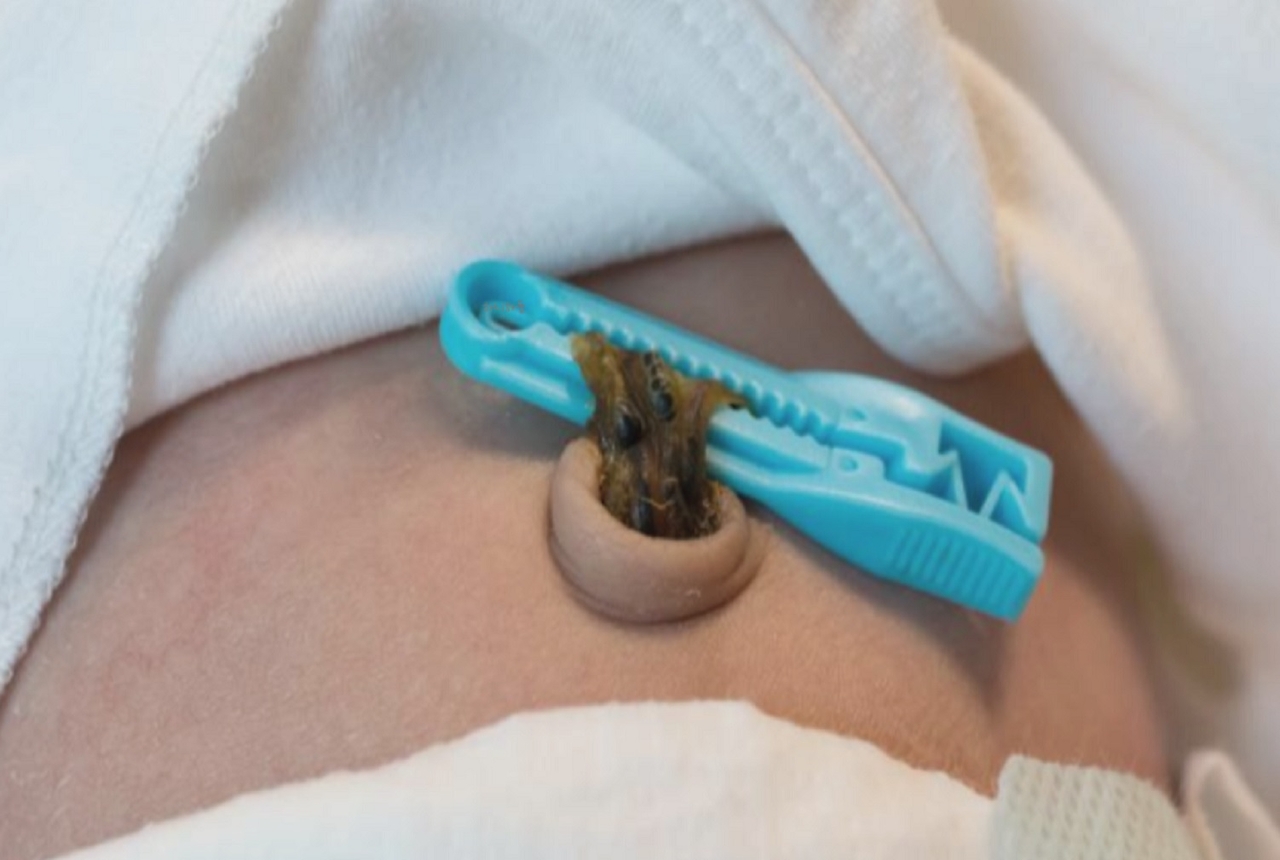
After the cut, about two or three centimeters of the cord remain on the baby’s belly. It’s clamped with a plastic clip to prevent bleeding and infection, gradually drying and darkening before naturally falling off within five to fifteen days.
The severed cord may appear unappealing, but for many mothers, it is a tangible link to the profound experience of carrying life, something deeply personal and worth preserving. But how?
In South Korea, rather than simply tucking it away in a storage box, some young parents are choosing to transform their baby's umbilical cord into a small, custom-made stamp.
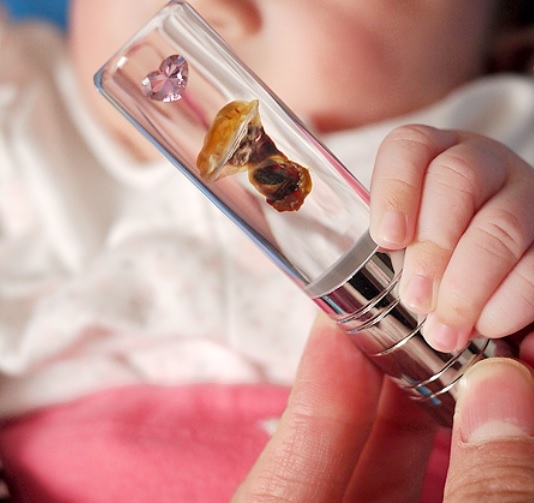
Known as an “umbilical cord stamp," this keepsake holds the baby’s dried umbilical cord inside the stamp’s body, with the base engraved with the child’s name.
These stamps come in a range of materials, from wood to jade, and can feature intricate carvings or tassels. Prices vary by design, typically ranging from 20,000 won ($14.45) to 100,000 won.
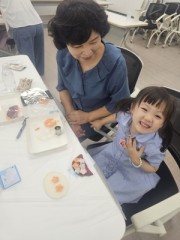
They are often used for a child’s later milestones, such as opening their first bank account, says Kim Ji-woo, mother of a 2-year-old girl.
“I used the stamp to open our baby’s first bank account, and it felt deeply meaningful. There will be many more firsts in our child’s life that require her name, and each time I use this stamp, I’ll be reminded of those early, precious memories."
For some, even the box for storing the umbilical cord should be a special keepsake.
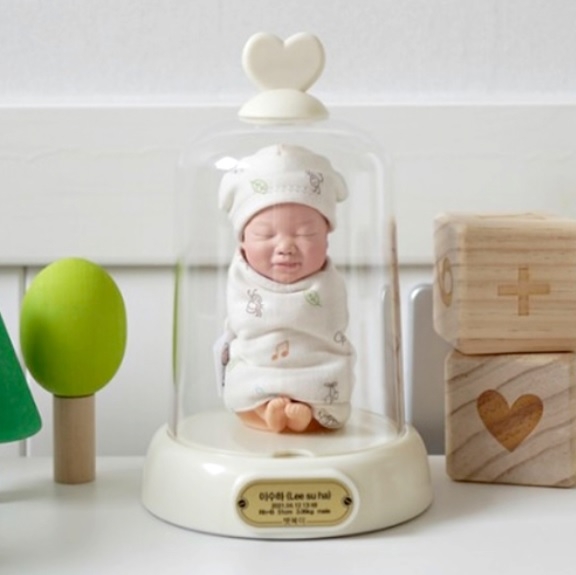
Tiny baby figurines made with 3D printers to resemble a baby’s face and hold their umbilical cord have recently gained popularity among young parents.
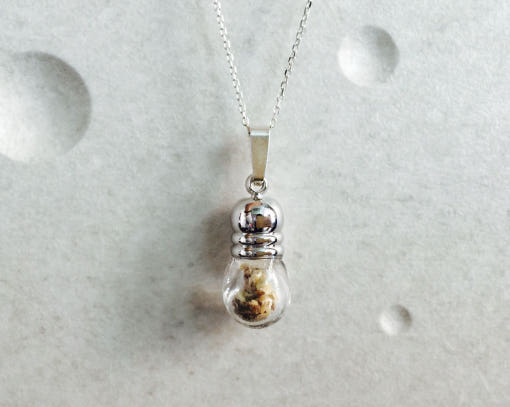
Some turn a tiny jar containing the umbilical cord into a necklace by hanging it on decorative thread.
In a country known for turning memories into merchandise, much like with K-pop goods, Korean parents enjoy a variety of umbilical cord keepsakes to mark their baby’s first moments.
The joy of a child’s birth is a universal emotion, transcending culture and language. How is this milestone cherished in your culture?
cjh@heraldcorp.com