최근에 필자는 똑똑하고 어린 중학생에게 영문법 용어를 알려주는 수업을 진행했다. 미국에서 살다가 한국에 오면 한국의 교과과정에서 요구하는 대로 맞춰야 내신도 잘 나오고 대학입시에 대비가 된다. 중학교 2학년 김세령 학생이 한국에서 어렵다고 느낀 영문법 용어와 영단어에 대한 글을 공유해 드린다. 이 학생이 공부하다가 선정한 20단어는 여러분 모두에게 도전도 되고 매우 유익할 것이다.
Learning Grammar the Korean Way — After Living in the U.S.
When I returned to Korea after living in the United States for a year, I thought to myself, “Now I must know all the English grammar there is to know.” But reality proved me wrong. As soon as I began working on grammar exercises, I realized that I needed the Korean-style grammar approach I had missed overseas.
Why? Because most of the English I encountered in the U.S. was practical, everyday language — much simpler in vocabulary and structure than the complex sentences found in Korean high school exams or the TOEIC test. In America, no one sat me down to explain what a present participle or a relative adverb was. I could order coffee like a local, but when I saw a grammar question about a participial construction or a tricky preposition, I often guessed.
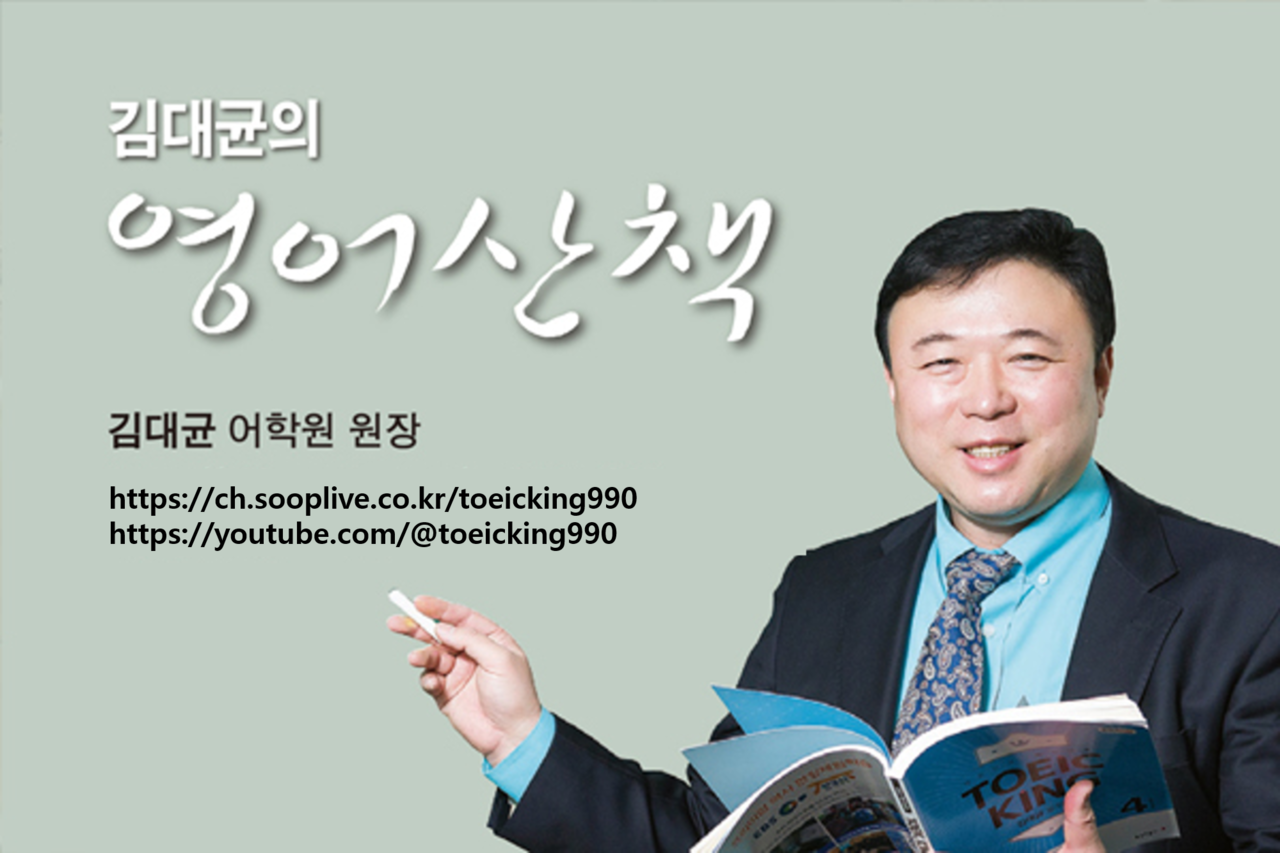
That’s why I decided to study with Kim Dae Kyun, a renowned TOEIC instructor, to fill in the missing pieces. One of my biggest challenges? Participles — or participle in English. As explained in Kim Dae Kyun’s English Grammar, a participle shares both verb-like and adjective-like qualities. There are past participles, usually ending in -ed, -en, -t, -n, and used when describing a feeling received (I was amazed by the news.), and present participles, ending in -ing, used when causing a feeling (The movie was amazing.). On top of that, participial phrases — when a participle comes with its own modifiers — were another headache.
And it wasn’t just participles. I often struggled with grammar terms that are second nature to Korean exam-takers: prepositions, relative pronouns, relative adverbs. In America, I could “feel” what sounded right. Back home, I had to explain why it was right — and that’s a different skill entirely.
Studying grammar this way gave me a deeper appreciation for the Korean approach. I could now tackle long TOEIC sentences, identify the role of each word, and explain my reasoning. It was no longer just intuition; it was knowledge.
20 Challenging Words I Learned(내가 배운 20개 어려운 단어들)
1. Abashed – embarrassed or ashamed (당황한, 부끄러운)
She was abashed when she realized she had been talking with food on her face.
→ 그녀는 얼굴에 음식이 묻은 채로 이야기하고 있었다는 것을 깨닫고 당황했다.
2. Accolade – an award or special praise (상, 특별한 칭찬)
The scientist received an accolade for her groundbreaking research.
→ 그 과학자는 획기적인 연구로 상을 받았다.
3. Agrarian – related to farming or rural life (농업의, 농경의)
Agrarian communities often have strong traditions and close family ties.
→ 농경 사회는 종종 강한 전통과 가족 유대를 가진다.
4. Arbitrarily – based on random choice, not reason (임의로, 제멋대로)
The manager arbitrarily changed the meeting schedule without consulting anyone.
→ 그 관리자는 아무와도 상의 없이 회의 일정을 임의로 변경했다.
5. Brevity – shortness or conciseness of speech/writing (간결함)
The speaker impressed the audience with the brevity of his remarks.
→ 연사는 간결한 발언으로 청중을 감동시켰다.
6. Bureaucracy – complex administrative system (관료 제도, 복잡한 행정 체계)
Starting a new business often involves dealing with a lot of bureaucracy.
→ 새로운 사업을 시작하려면 종종 많은 관료 절차를 거쳐야 한다.
7. Chiropractor – a person who treats back/joint problems by adjusting bones (척추 지압사, 카이로프랙틱 의사)
I went to a chiropractor for my chronic back pain.
→ 나는 만성 허리 통증 때문에 척추 교정사를 찾아갔다.
8. Contingent – dependent on something else (~에 달려 있는, 조건부의)
The trip is contingent on whether we can get enough participants.
→ 그 여행은 충분한 참가자를 모집할 수 있는지에 달려 있다.
9. Delinquent – neglectful of duty; often describing overdue payments (연체된, 의무를 다하지 않는)
Your account is delinquent because the payment was late.
→ 결제가 늦어서 귀하의 계정이 연체 상태입니다.
10. Engrossing – very interesting; absorbing all attention (마음을 사로잡는, 몰입하게 만드는)
The novel was so engrossing I forgot to eat dinner.
→ 그 소설이 너무 재미있어서 저녁 먹는 것도 잊었다.
11. Gimmick – a trick to attract attention (속임수, 눈길을 끄는 장치)
The free gift was just a marketing gimmick.
→ 그 무료 선물은 단지 마케팅 속임수였다.
12. Honorarium – a payment for professional services, usually voluntary work (사례금)
She received an honorarium for giving a lecture at the university.
→ 그녀는 대학에서 강연을 한 대가로 사례금을 받았다.
13. Horticulturist – an expert in growing plants (원예가)
The horticulturist advised us on how to care for our garden.
→ 원예가는 우리에게 정원 관리 방법을 조언했다.
14. Irretrievable – impossible to recover (복구 불가능한)
The files were lost and deemed irretrievable after the system crash.
→ 시스템이 다운된 후 그 파일들은 복구 불가능하다고 판단되었다.
15. Memorabilia – objects kept for their historical or personal value (기념품, 추억거리)
The museum displayed sports memorabilia from the 1980s.
→ 그 박물관은 1980년대 스포츠 기념품을 전시했다.
16. Neutrality – the state of not supporting either side (중립)
The country maintained neutrality during the conflict.
→ 그 나라는 분쟁 동안 중립을 유지했다.
17. Reimbursement – repayment for expenses (변상, 환급)
You can claim reimbursement for travel costs after the conference.
→ 회의 후 여행 경비를 환급받을 수 있다.
18. Rejuvenation – the process of becoming young or fresh again (회복, 재생)
A weekend at the spa provided complete rejuvenation.
→ 스파에서 보낸 주말은 완전한 회복을 안겨주었다.
19. Speculation – forming opinions without firm evidence (추측, 억측)
There was speculation about the company’s future after the merger.
→ 합병 후 회사의 미래에 대한 추측이 있었다.
20. Viability – the ability to work successfully (실행 가능성, 생존력)
The viability of the plan depends on the budget.
→ 그 계획의 실행 가능성은 예산에 달려 있다.
==========================
에세이 번역
한국식 문법 공부 – 미국에서 1년 살고 난 후
미국에서 1년을 살다 한국에 돌아왔을 때, 나는 이렇게 생각했다. “이제 영어 문법은 다 알겠지.” 그러나 현실은 달랐다. 문법 문제를 풀기 시작하자마자, 나는 미국에서 놓쳤던 한국식 문법 학습 방식이 필요하다는 것을 깨달았다.
왜 그럴까? 미국에서 내가 접했던 영어는 실생활에서 쓰는, 매우 단순한 단어와 구조로 이루어진 문장들이 대부분이었다. 이는 한국 고등학교 시험이나 TOEIC 시험에 나오는 복잡한 문장과는 크게 달랐다. 미국에서는 누구도 나에게 *현재분사(present participle)*나 *관계부사(relative adverb)*가 무엇인지 설명해 주지 않았다. 나는 현지인처럼 커피를 주문할 수 있었지만, 분사구문이나 까다로운 전치사 문제가 나오면 종종 ‘찍어서’ 답을 골랐다.
그래서 나는 부족한 부분을 채우기 위해 유명한 TOEIC 강사 김대균 선생님과 공부를 시작했다. 내가 가장 어려워했던 것 중 하나가 바로 분사였다. 김대균 영문법에 따르면, 분사(participle)는 동사적인 성질과 형용사적인 성질을 동시에 갖고 있기 때문에 그런 이름이 붙었다고 한다. **과거분사(past participle)**는 보통 -ed, -en, -t, -n으로 끝나며, 어떤 동작에 의해 ‘느껴지는 감정’을 표현할 때 쓰인다. (I was amazed by the news.) 반면 **현재분사(present participle)**는 동사원형에 -ing를 붙여 만들며, ‘감정을 유발하는’ 상황에 쓰인다. (The movie was amazing.) 여기에다, 분사와 수식어가 함께 쓰이는 분사구문은 또 하나의 난관이었다.
그리고 어려운 건 분사만이 아니었다. 한국식 영어 학습자에게는 익숙한 전치사(preposition), 관계대명사(relative pronoun), 관계부사(relative adverb) 같은 문법 용어와 개념이 미국 생활에서는 거의 다뤄지지 않았다. 미국에서는 ‘감’으로 맞는 표현을 쓸 수 있었지만, 한국에 와서는 왜 맞는지를 논리적으로 설명해야 했고, 그것은 전혀 다른 능력이었다.
이런 방식으로 문법을 공부하면서, 나는 한국식 문법 학습의 가치를 새삼 느끼게 되었다. 이제는 긴 TOEIC 문장을 만나도 각 단어의 역할을 분석하고 이유를 설명할 수 있게 되었다. 더 이상 직감에만 의존하는 것이 아니라, 체계적인 지식을 갖게 된 것이다.
khnews@heraldcorp.com