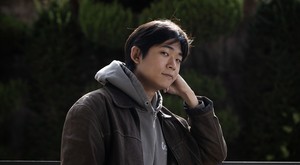
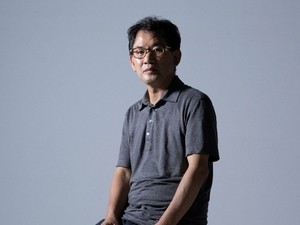
‘Ad genius’ maybe. But at heart, Jeski is still just a doodler with something to say
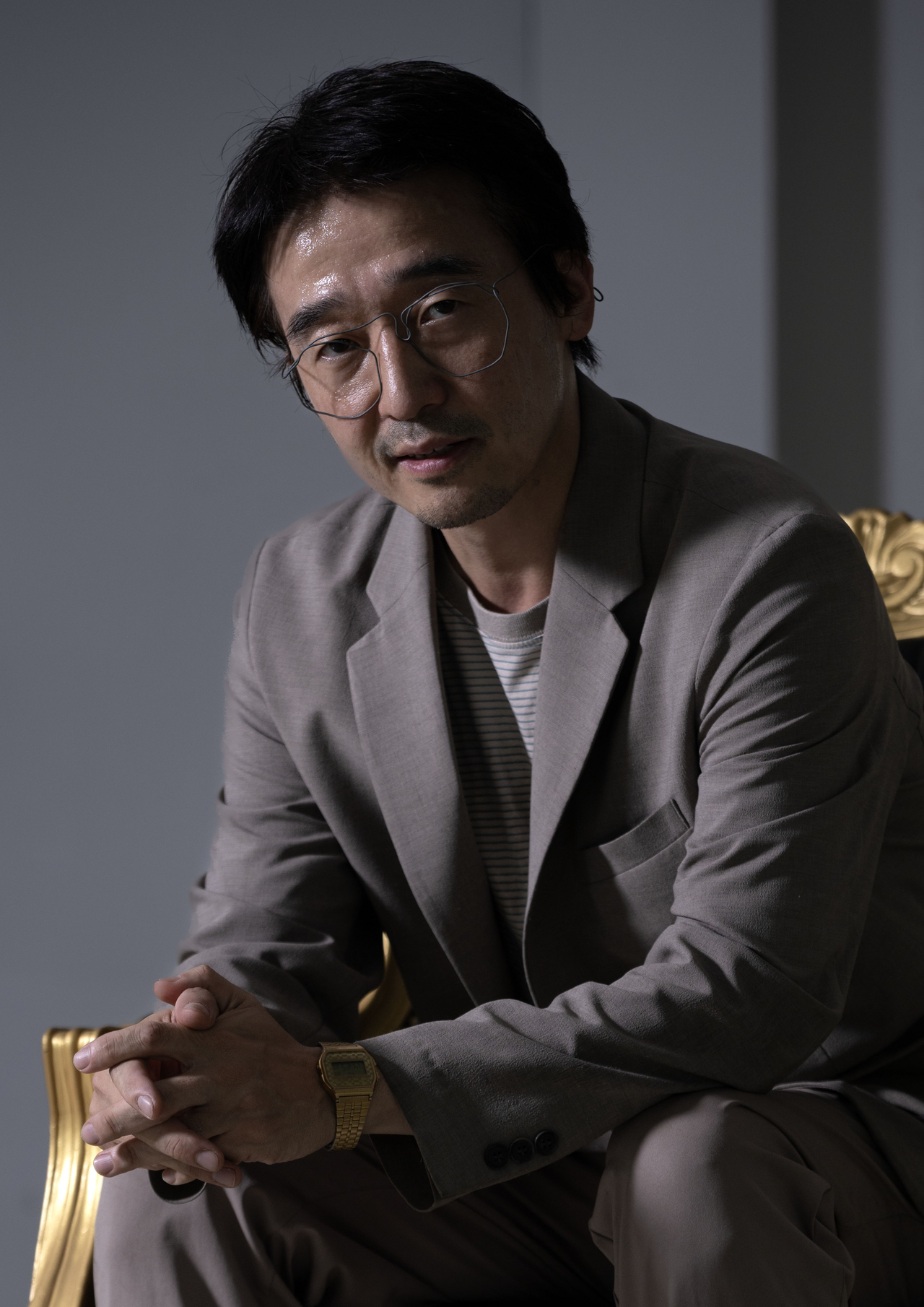
When other children sang and danced during performance at kindergarten, 5-year-old Yi Je-seok lay flat on the floor.
“I wasn’t in the mood,” Yi said. “You need a certain spark to dance. I just didn’t feel it that day. I know dancing regardless of how you feel is important in a group-oriented society. But I just couldn’t do it.”
His mother was mortified and took him home. But for Yi — better known today as Jeski — it marked the beginning of a lifelong refusal to conform. A rebel from the start, he drew comics instead of studying, mocked authority, and pursued instinct over expectation.
He had barely any money and barely spoke English, but he flew to New York to study advertising. There, he swept global competitions, stunned the world with a poster of gun barrels on telephone poles, and more recently pasted an image of Kim Jong-un behind bars on the iron gate of North Korea’s Geneva mission — an act that got him chased by North Korean agents.
Back in Korea, he now runs the country’s only ad agency devoted entirely to public interest campaigns — still doodling, still defying, and still doing things his own way.
Rebel artist in rigid system
Yi, 42, grew up in Daegu, a conservative city where discipline was prized and creativity was frowned upon. While his classmates studied, he had no interest in studying. He doodled a lot.
“I made comic strips often targeting authoritarian and overbearing teachers.” he said. “It’s always fun to mess with dictators.”
Though punished regularly, his classmates loved his work, crowing around to see who he roasted next.
He calls those early doodles the start of his career. “Even now, I just create stories. It’s the same as when I was a kid.”
Only his art teacher supported him, encouraged him to go to Keimyung University’s art school in Daegu. Yi studied hard and graduated with an almost perfect GPA, but hit a wall upon graduation. He failed to win a single competition or enter a major advertising company.
“The label of ‘provincial college’ was too heavy,” he said. “It didn’t matter how good I was.”
Reinventing himself in New York
Determined not to be boxed in, Lee set his sights on studying abroad. His older brother, a medical school graduate working night shifts in emergency rooms, helped fund his tuition.
In 2006, Lee enrolled at the School of Visual Arts in New York City. It was lonely at first. Poor English and empty pockets made him feel invisible.
But that changed when he enrolled in a course by Frank Anselmo, the award-winning creative director of BBDO. For a class project, Lee chose the theme of air pollution, but refused to go the sentimental route with dying polar bears.
“I didn’t want to focus on animals’ pain. I wanted to talk about our pain,” he explained.
As he biked around the city to clear his mind, he saw an old five-story brick building. Blue sky, sunlit walls and a chimney billowing black smoke. Suddenly, he thought of a gun, the kind a cowboy twirls after a shootout.
He snapped a photo, found a gun image online and merged the two. A chilling visual was made showing smoke rising from a chimney like gunfire. At the library, he discovered that air pollution kills 60,000 people annually. That became his copy. “Air pollution kills 60,000 people a year.”
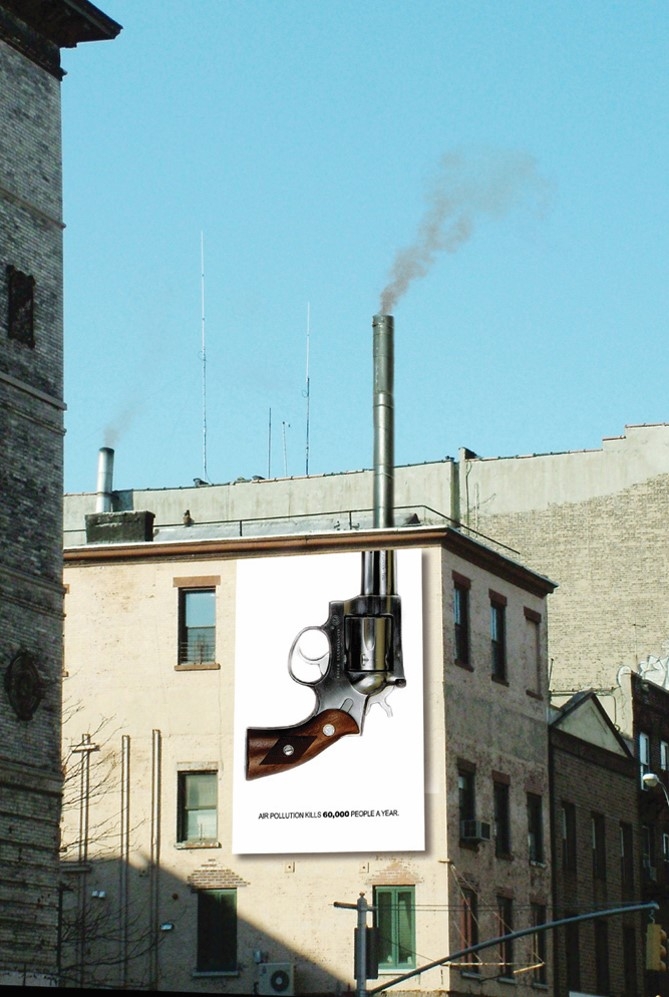
He submitted the piece to The One Show College Competition. It won gold in the unconventional media category.
“After that, everything changed,” Yi said. His classmates noticed him. Professors supported his work. He was not invisible anymore.
His secret? Language barrier
One hot summer day, he climbed out of a New York subway station, panting under a heavy backpack. Ahead of him, a heavyset elderly woman struggled up the stairs.
“I suddenly thought, what would this be like for someone with a disability?” he recalled. “To them, these stairs might be harder than climbing Mount Everest.”
The next day, he returned, took photos, and created a campaign that showed subway stairs morphing into a mountain. The tagline: “For some, it’s Mt. Everest.” Another sentence was added below. “Help build more facilities for disabled people.”
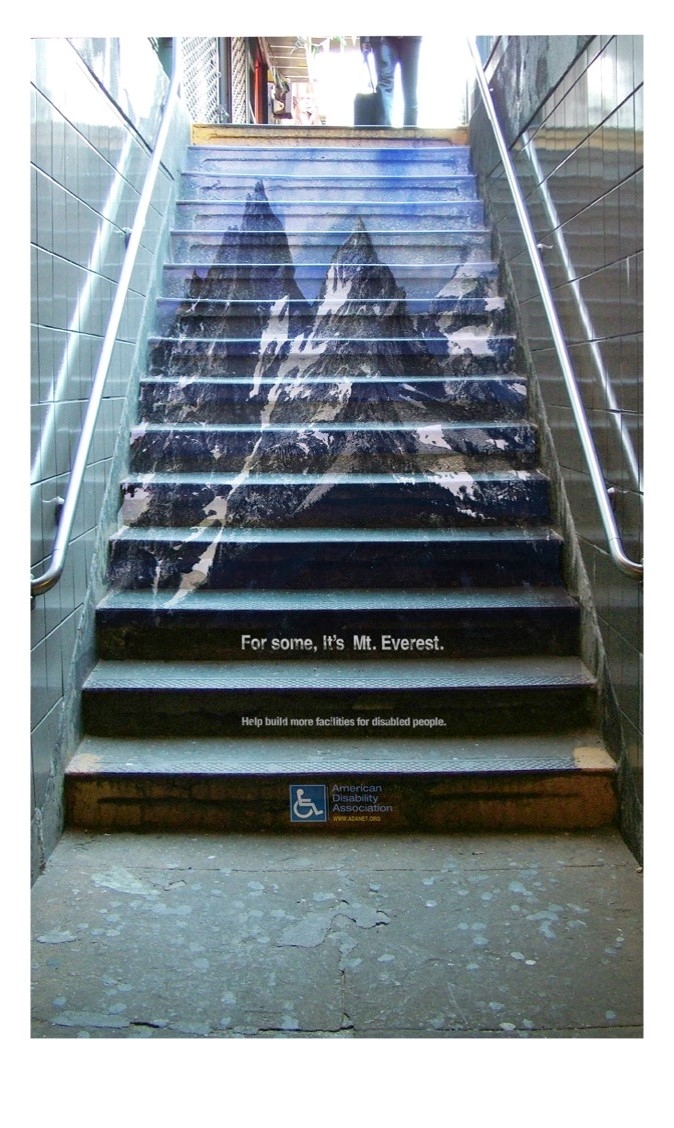
That campaign earned him a Clio Award, which was one of many accolades he would go on to win.
Looking back, he believes the secret to his success in the US was his poor English.
“Because I couldn’t speak English well, I had to make ads that spoke for themselves. No words — just clear, powerful visuals.”
After internships at JWT New York and BBDO, Lee was hired by Foote, Cone & Belding. It should have been a dream come true. It wasn’t.
“Even at big advertising firms in New York, creativity had limits,” he said. “This is because clients, big companies, don’t want risk. They want safe, sellable ideas.”
He began to feel more alive after hours, working on his own projects — especially those tied to social justice. He pitched ideas to NGOs and advocacy groups. One, in particular, catapulted him back into the spotlight.
Still shaken by the post-9/11 atmosphere in New York in 2008, (there were military personnel with rifles standing in subway stations), Lee thought about the endless cycle of retaliation between the US and the Islamic world.
“I kept thinking about reincarnation. The idea that what goes around, comes around.”
He created a poster of weapons — tanks, grenades, fighter jets — arranged in a perfect circle, a literal cycle of violence. The copy read, “What goes around comes around.”

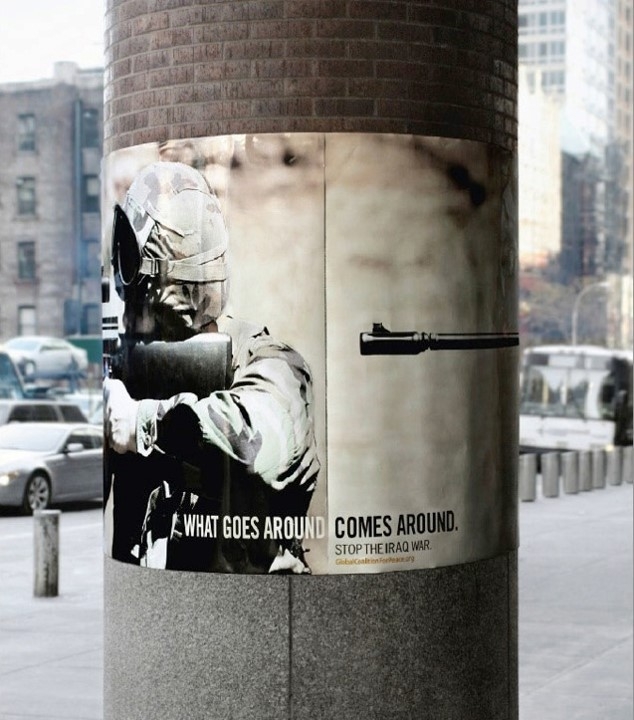
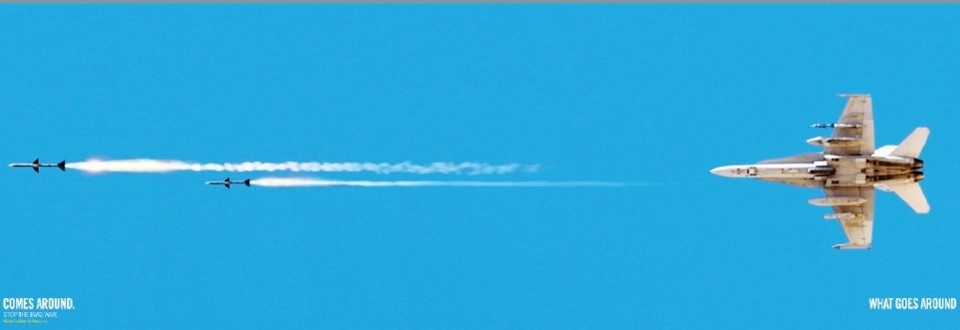
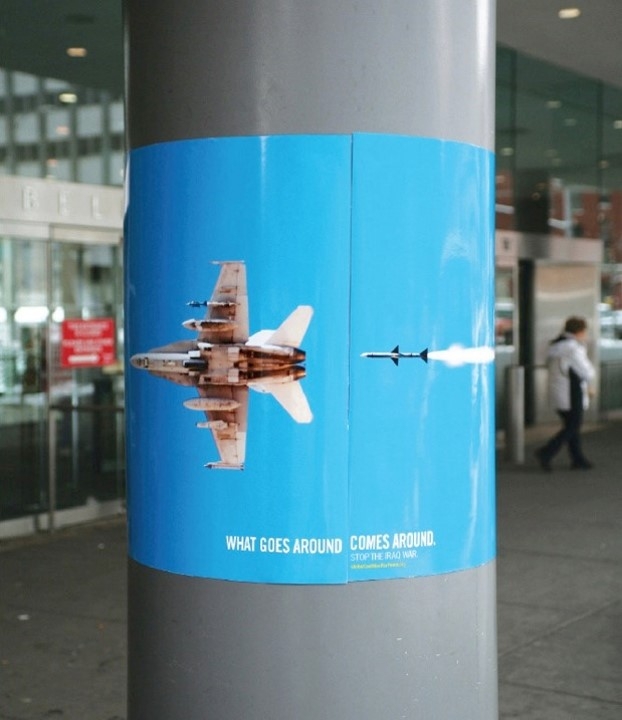

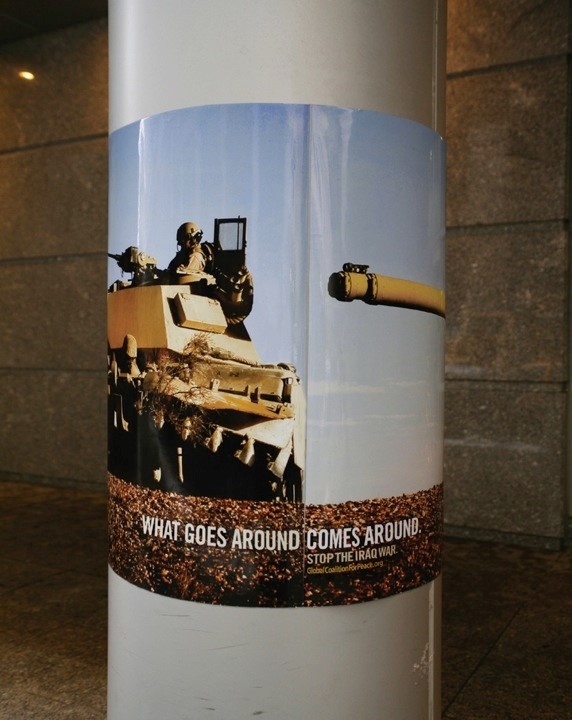
He pasted them around New York, timed to President Barack Obama’s inauguration. The work went viral, winning awards and global media attention.
Back home, Korean media dubbed him an advertising genius.
Building a home for public good
Returning to Korea, Lee defied all the love calls from major advertising agencies in 2008.
He remains deeply critical of commercial advertising. “Advertising fuels endless consumption. It sells empty desire. It makes people throw away what they have, to buy what they don’t need.”
Instead, he founded the Jeski Social Campaign — the country’s only ad agency devoted solely to public campaigns.
“I wanted to make ads that don’t serve one client or one company, but serve everyone,” he said.
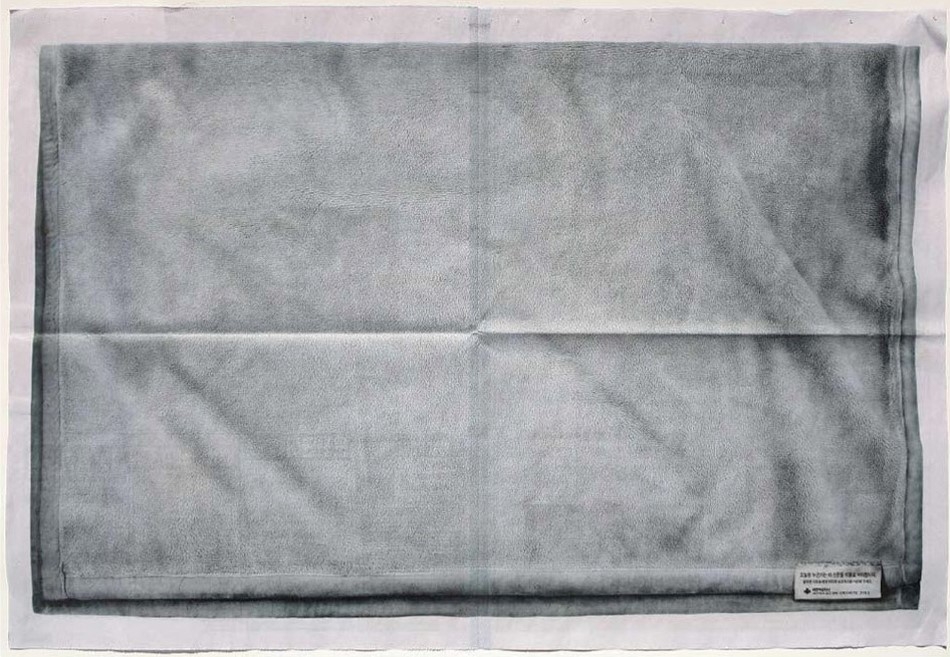
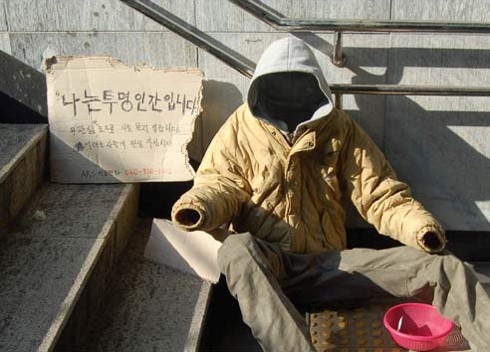
Since then, he has tacked topics many would shy away from: disability rights, homelessness, sexual violence against disabled women, domestic abuse, human rights, famine in Africa, clean water access, North Korea and Dokdo.
“I just do it. There is no reason. It’s instinct. You can’t explain instinct,” he said.
Just like lying on the floor when the music didn’t move him, just like sketching teachers instead of studying — Lee is still the same boy, following his gut.

shinjh@heraldcorp.com