In-store baby classes attract parents of infants and toddlers tired of being housebound, offering engaging activities and plenty of photo-worthy moments
If you’re raising a young child in South Korea, not knowing this Korean word could make it hard to join conversations with other parents: “munsen.”
Short for “munhwa center,” or “culture center,” munsen refers to dedicated spaces inside department stores and large supermarkets offering customers a wide array of classes. From yoga and personal finance to cooking and language lessons, these centers function as affordable private academies open to all ages.
Originally a marketing tool to draw shoppers into stores, munsens have become a cultural fixture among new parents in South Korea. Babies as young as 5 months are enrolled in sensory play classes, making munsen attendance a modern -- and urban -- rite of passage in early childhood.
Affordable, accessible and in-demand
A typical munsen class runs on a quarterly schedule, with sessions held once a week either on weekdays or weekends. And it's offered at an affordable price.
Korea’s top department stores — Lotte, Shinsegae, Hyundai, Galleria and AK — as well as large supermarket chains like Emart, Homeplus and Lotte Mart, all run such programs, with registration fees ranging from under 100,000 won to 200,000 won ($72-$146) per three-month semester.
A multisensory play class tailored for babies 5 to 9 months old, offered at an Emart branch in Cheonan, Gyeonggi Province, costs 91,000 won plus a 40,000 won materials fee for a 12-session program. Each session lasts 40 minutes.
In addition to sensory play, a wide range of programs tailored to children’s developmental stages are available, including music and dance sessions as well as activities focused on physical movement.
Not only are they affordable, these baby classes offer significant convenience. Situated in easily accessible urban centers, these venues provide stroller-friendly spaces and ample parking, minimizing the hassle of outings. Parents can also combine classes with shopping trips.
Class registration, which usually opens a month or two before each term begins, tends to be as competitive as buying tickets to a K-pop concert.
Kim Si-song, a 29-year-old mother raising a two-year-old daughter, was unable to enroll in a sensory play class at Hyundai Department Store’s Pangyo branch this summer, as it was already full when she logged onto its website to register.
“Since registration is on a first-come, first-served basis, you have to click like crazy, just like booking a concert ticket. Summer-term classes are the hardest to get into because outdoor activities are limited in the heat. My husband and I even tried signing up for the same class on separate computers, but we both failed,” she told The Korea Herald.
Each department store and supermarket has its own popular instructors and courses, which often become even harder to book once they come to the attention of online parenting communities, Kim added.
Tailored for babies and their doting moms
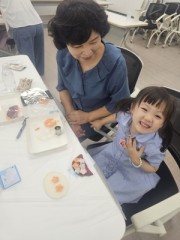
A look inside a typical sensory play session offers another clue to understanding why such classes are so popular. The little ones are not just playing and exploring a variety of textures by touching objects such as noodles, vegetables, toy fruits and grains of rice.
Special props are brought in to make the babies look even cuter, much to the delight of their parents.
In every class, instructors prepare costumes to match the materials used in play. When the activity features noodles, children wear white chef’s uniforms and hats. To play with rice, they're dressed in work clothes and straw hats to look like farmers.
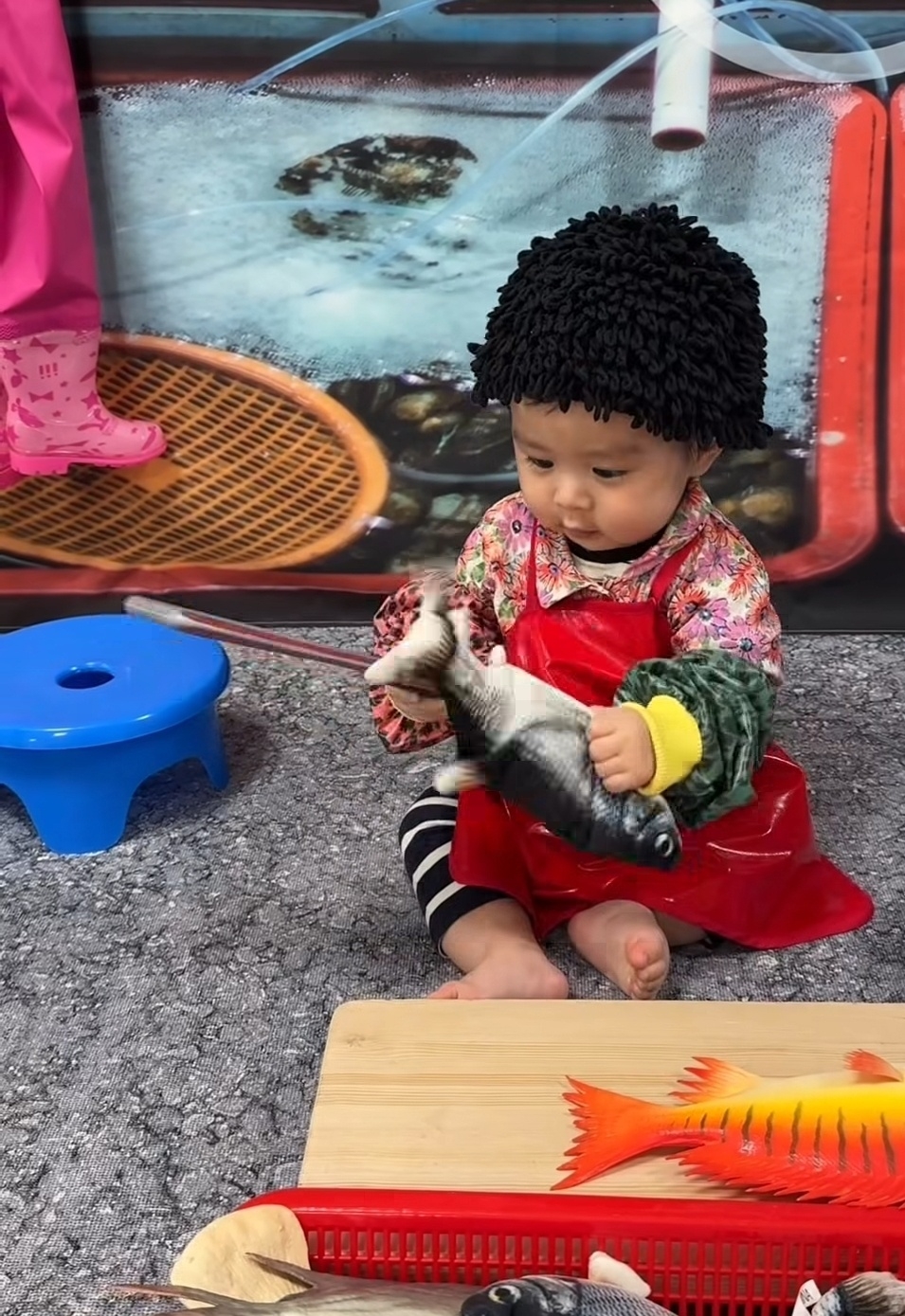
The highlight of the class comes when babies in matching costumes line up against the wall for photos. Some look around in confusion while others smile at the friends beside them. The parents jump, wave and make silly faces in front of their little ones, desperate to snap the perfect picture.
These programs are especially popular among parents who like to share photos of their children on social media or who simply love seeing their babies looking adorable.
A quick search for “munsen” on Instagram returns a plethora of photos and short videos of babies dressed not only as chefs and farmers, but also as grandmothers, police officers and even fish.
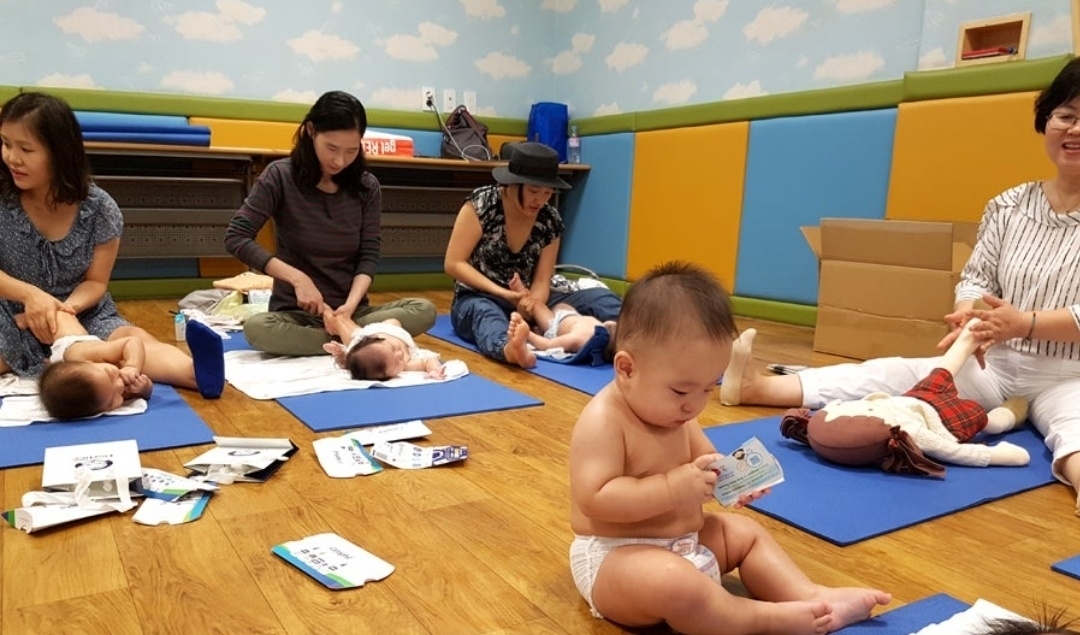
Munsens have also sparked controversy for excluding fathers from baby classes.
Most classes are marketed to “Mom and Baby” with no mention of fathers, and some instructors make it clear that they recommend mothers, not dads, attend, according to Bae Eun-hye, a 35-year-old mother of a 3-year-old daughter.
“In one baby massage class, there was coaching on breastfeeding positions. The instructor didn’t explicitly ban fathers, but said it might be more comfortable if only mothers joined, since some women could feel uneasy with men around. Fathers need to know about breastfeeding, too, so they can better support mothers. I couldn’t understand it,” she said.