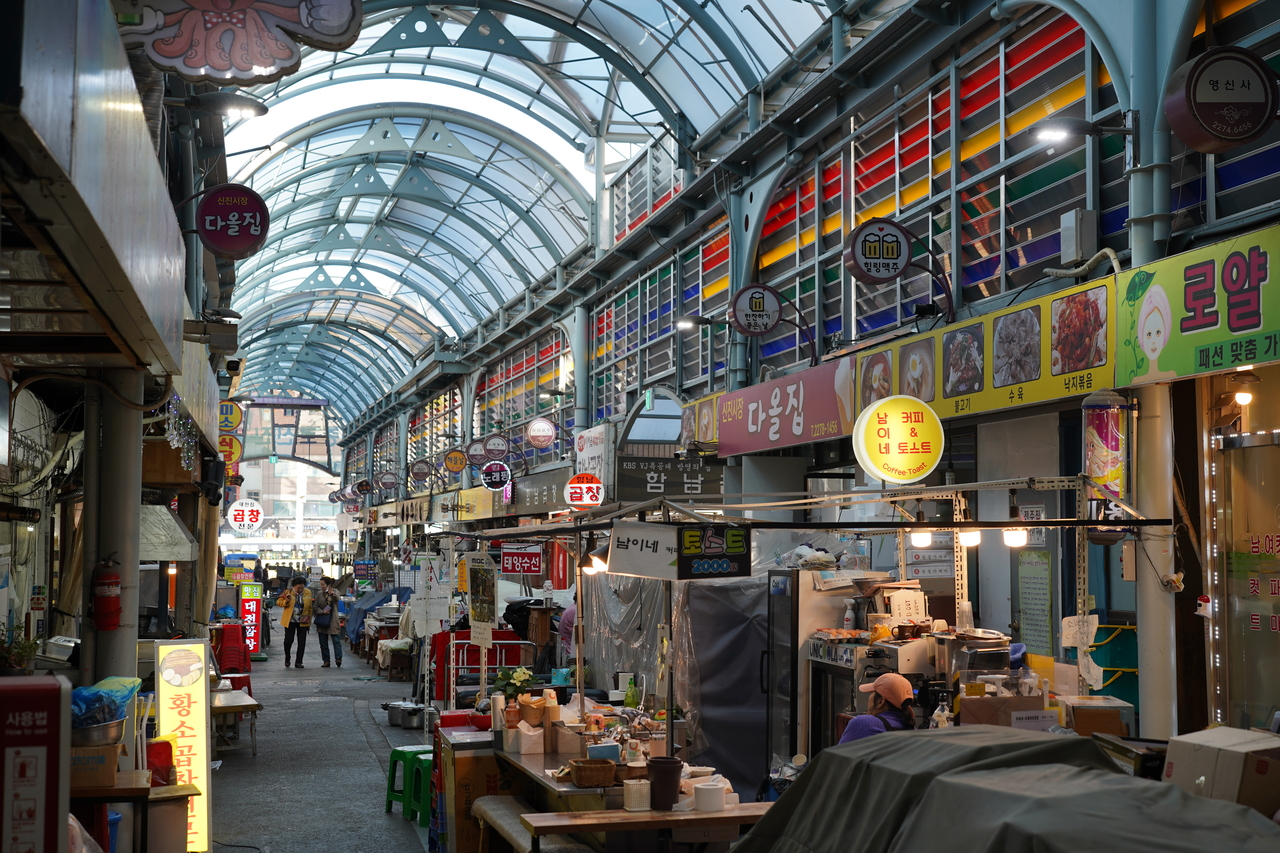
Jongno-gu, one of the most historic districts in Seoul that preserves the city’s rich culture and art, is also a renowned commercial district home to a diversity of traditional Korean markets.
From the fashion lover’s go-to Dongdaemun Fashion Wholesale Market to the street food haven of Gwangjang Market, the district boasts old-style markets that appeal to locals and overseas visitors alike.
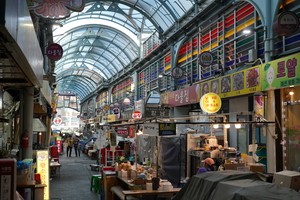
Jongno Sinjin Market might be smaller and lesser-known than other Jongno-gu traditional markets, but it could be a fascinating place to visit for those who wish to experience authentic Korean-style cuisine, such as a bowl of hot soup to warm you when the weather turns chilly.
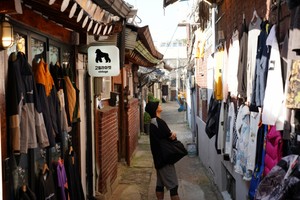
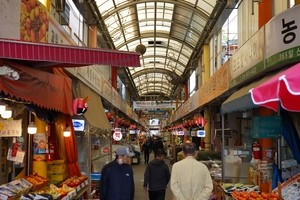
The market, established in 1952, was originally known for selling hiking outfits and military clothes, with countless vendors beckoning visitors not only to buy these items, but also to have their clothes tailored.
Though the number of mobile tailor shops has decreased dramatically, visitors can still see customers handing over garments to have their sleeves taken up or pant legs lengthened.
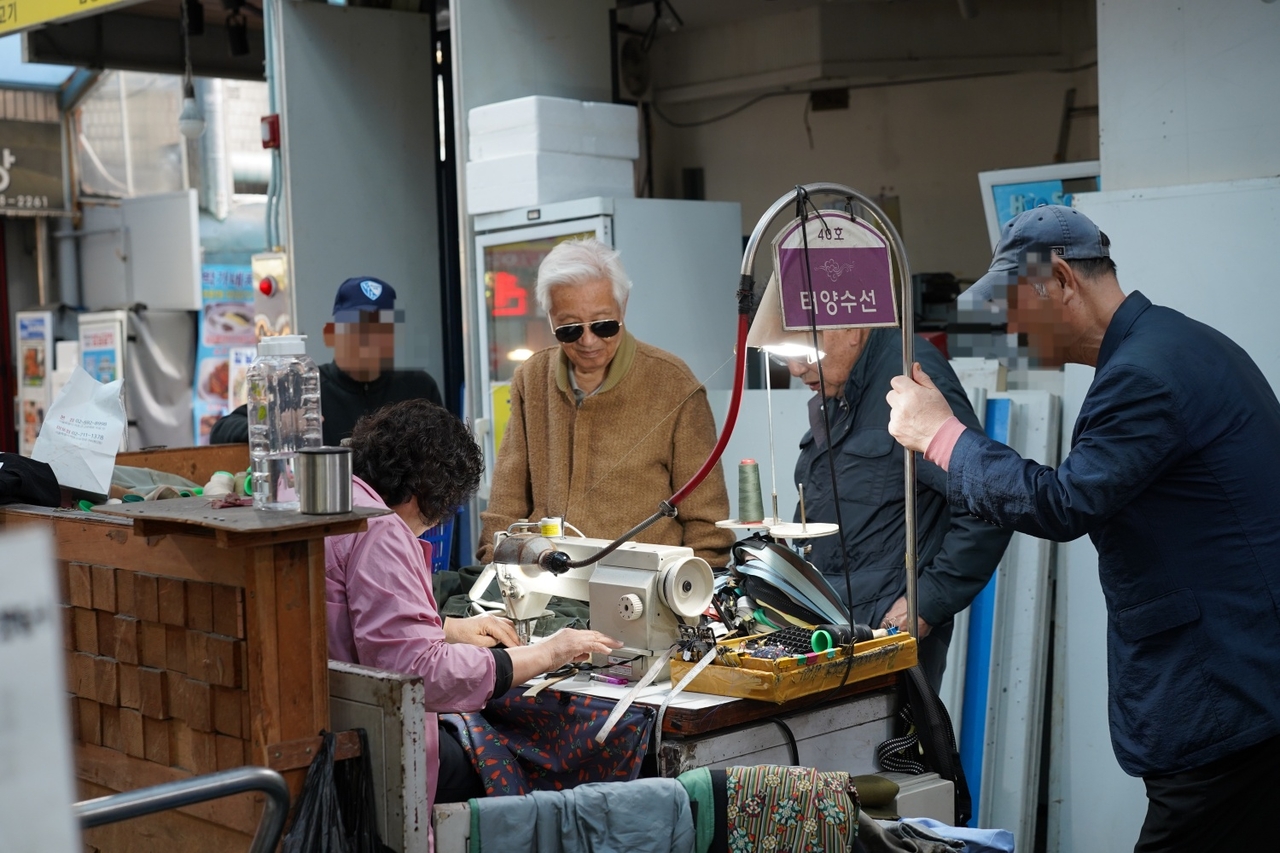
“A few years ago, the main street of Jongno Sinjin Market was filled with tailor shops and customers waiting for their jackets and trousers to get tailored. I think we only have five or six shops left. I remember a lot of people came to the market to get their military uniforms fixed,” a local tailor in his 70s, who wished to remain anonymous, told The Korea Herald, explaining why tailors working at their sewing machines are visible outside.
But the area is also considered a hotspot for foodies looking to enjoy classic Korean dishes.
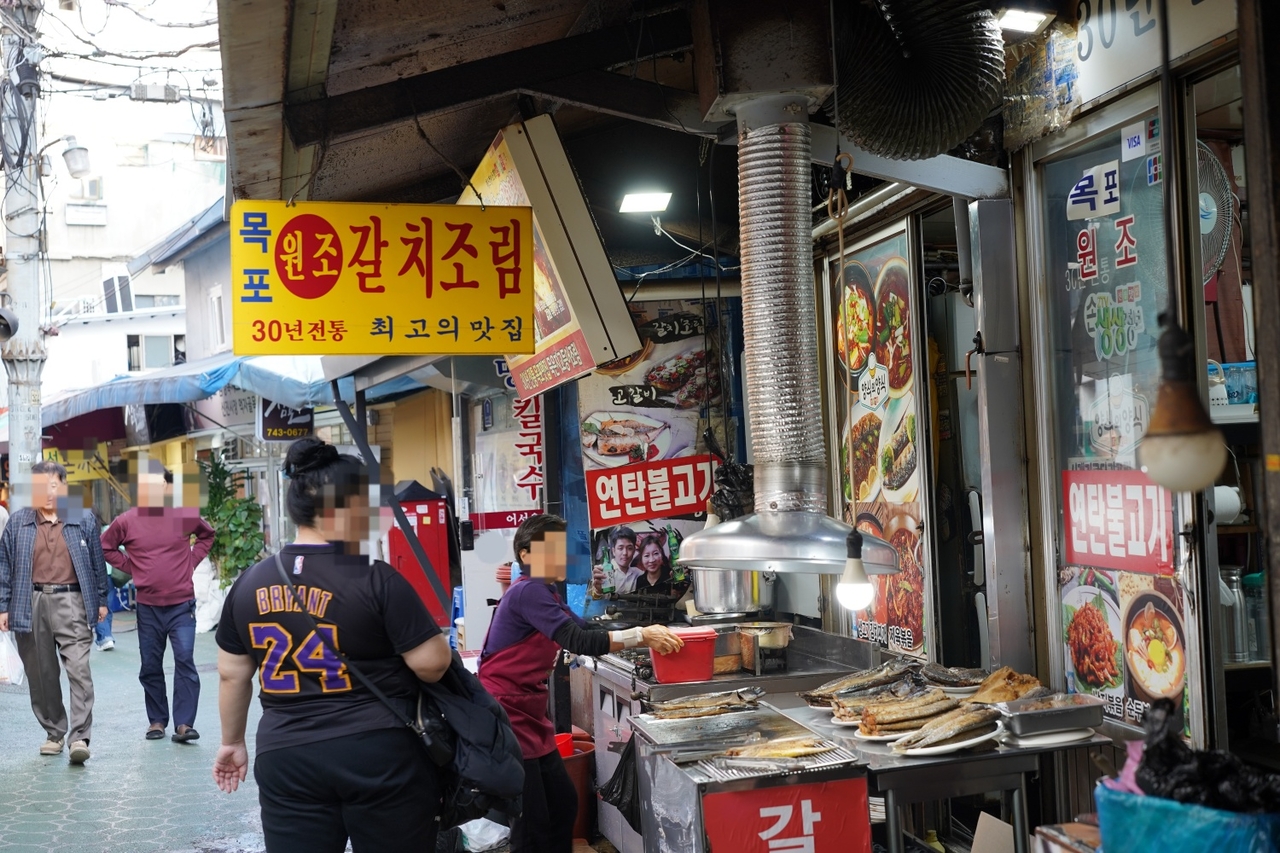
The narrow alley extending from the eastern gate of Jongno Sinjin Market is lined with restaurants serving rice alongside a wide range of soups, grilled fish and gopchang -- the small intestine of cows and pigs.

These eateries have long been loved by locals looking for cheap yet delicious and filling meals.
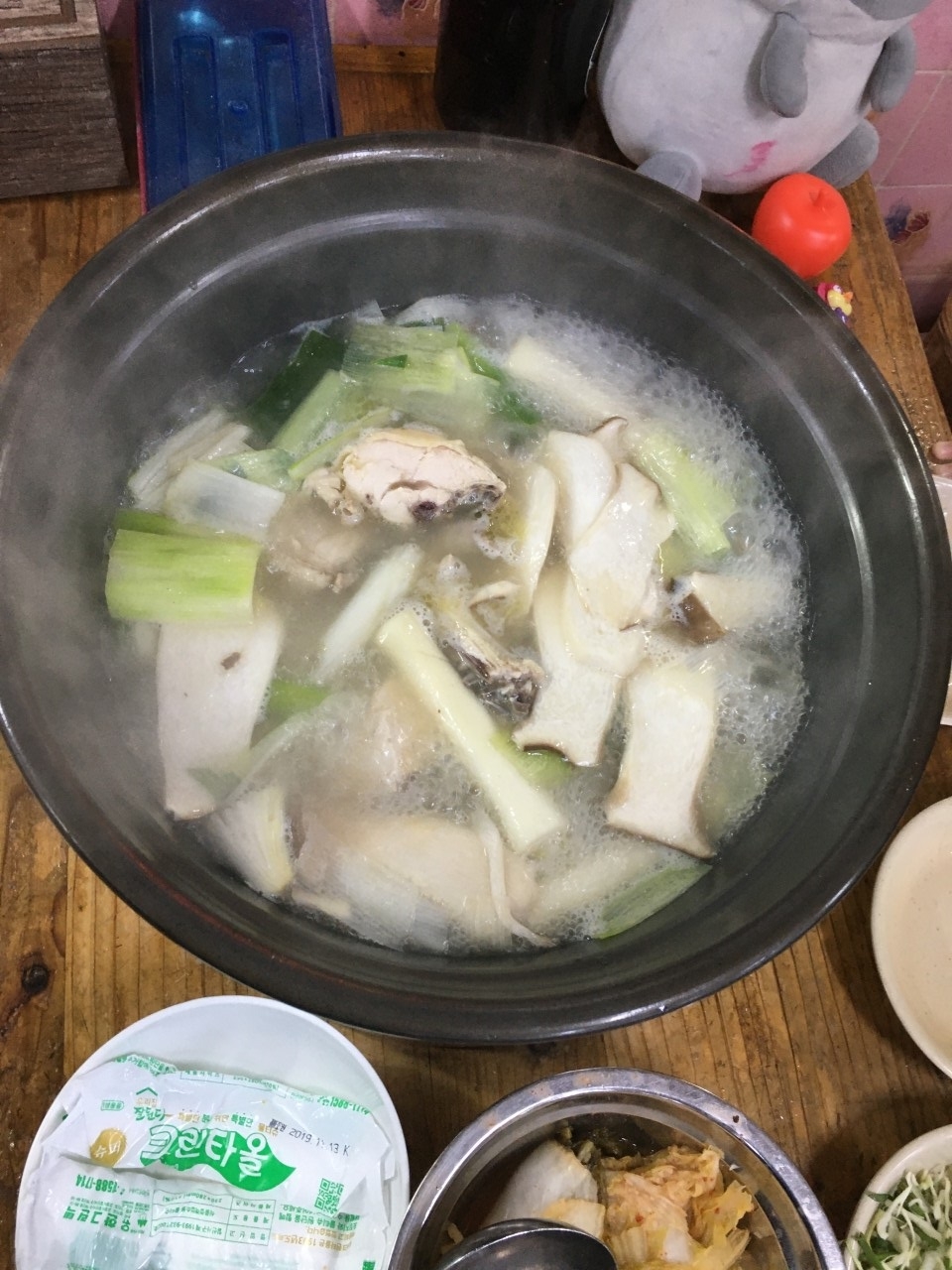
One popular menu item is “dakhanmari,” a dish in which a whole chicken is served in a pot with broth and vegetables. It's similar to but distinct from the more well-known herbal chicken soup "samgyetang."
The shops get plenty of local foodies dropping in during the day, but they get especially crowded when the sun sets and nearby workers come end their day with a bowl of hot soup and a shot of soju, Korea's traditional liquor.
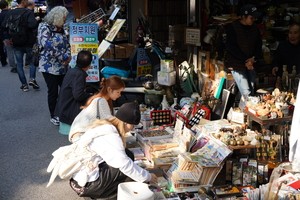
Visiting a traditional Korean market is a must-do for locals and overseas travelers. These markets offer visitors a chance to experience authentic Korean life, explore hidden corners of the city and browse a wide range of merchandise. The Korea Herald introduces some of Seoul's street and flea markets worth visiting in addition to the ever-popular Gwangjang Market. This article is the seventh in the series -- Ed.