A blend of hyperrealism and bittersweet fantasy, bestseller arrives in English ahead of its TV adaptation
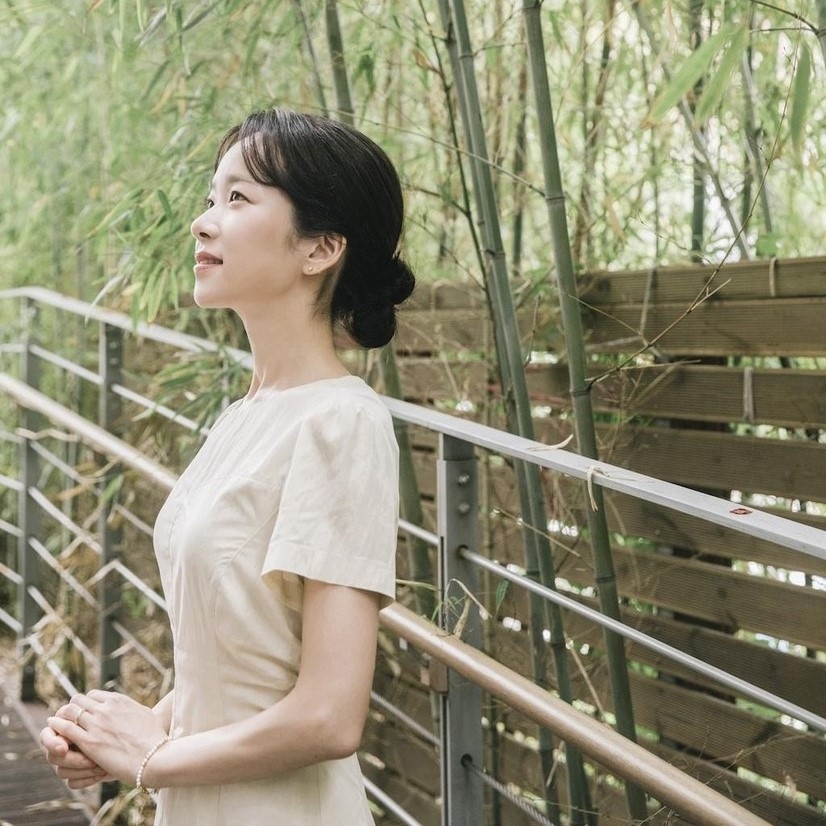
The first sprinkle came from the cryptocurrency craze of 2017 and 2018, when Bitcoin became a national obsession and the country was swept into a speculative frenzy. Television screens filled with news reports, documentaries and fiery debates over whether the boom promised easy fortune or certain disaster.
Whenever Jang Ryu-jin stumbled across those programs while flipping channels, she couldn’t look away. The coins themselves were intriguing, but what captivated her more was the collective excitement swirling around them — the sense that the whole society was buzzing.
The second sprinkle was more cinematic. Jang pictured a scene straight out of a flashy feel-good movie: people riding in a convertible, tossing cash into the air. But then she imagined a twist. What if, instead of sharing one car, each woman drove her own? What if they shouted their love and gratitude to one another as they sped away? The cryptocurrency craze would be the perfect source of their windfall.
The final sprinkle was more personal. In 2008, just as Jang was graduating college, the global financial crisis hit. Her family’s finances collapsed, jobs were scarce and she felt as though she were “standing at the edge of a cliff.” Even after she eventually found work, the sense of living without any safety net never left her. She often caught herself thinking, "If only someone would just hand me a million won — no strings attached."
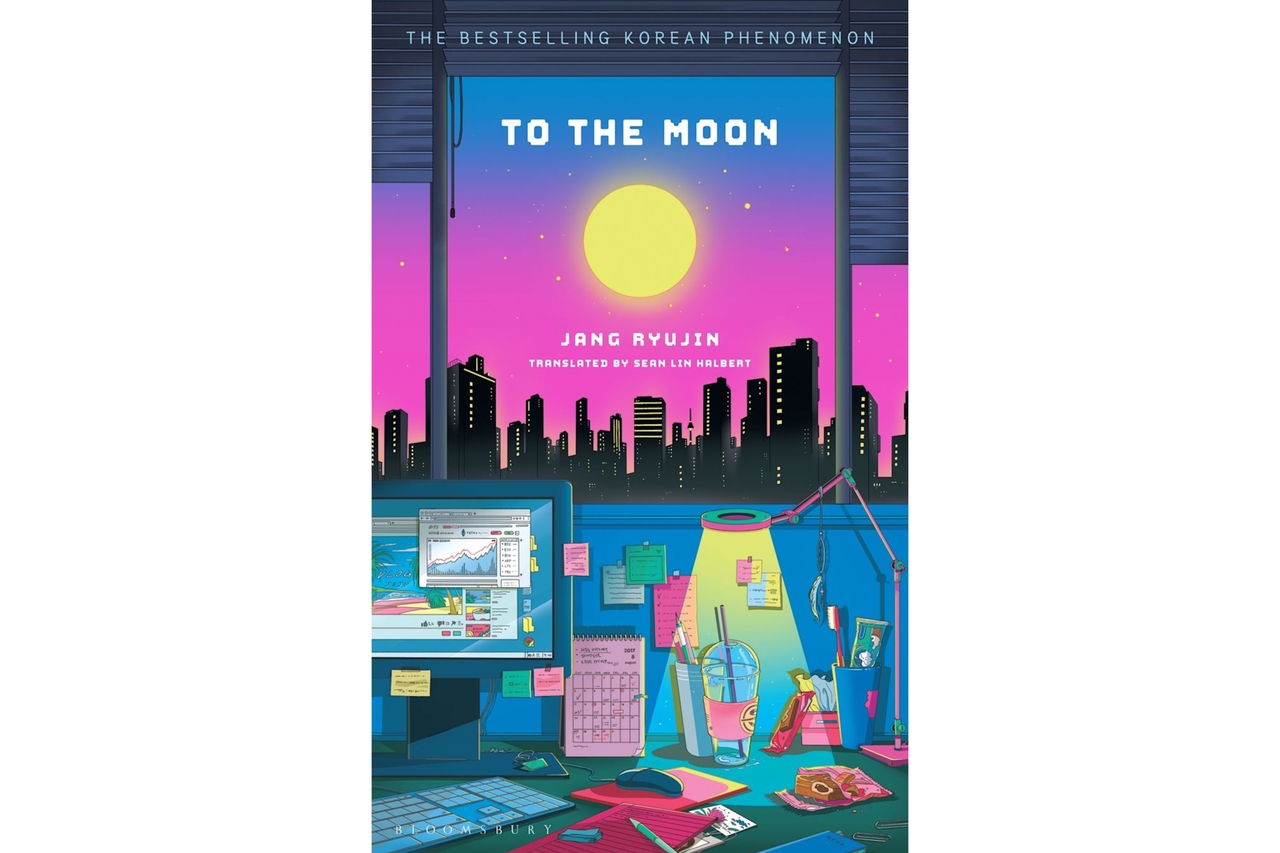
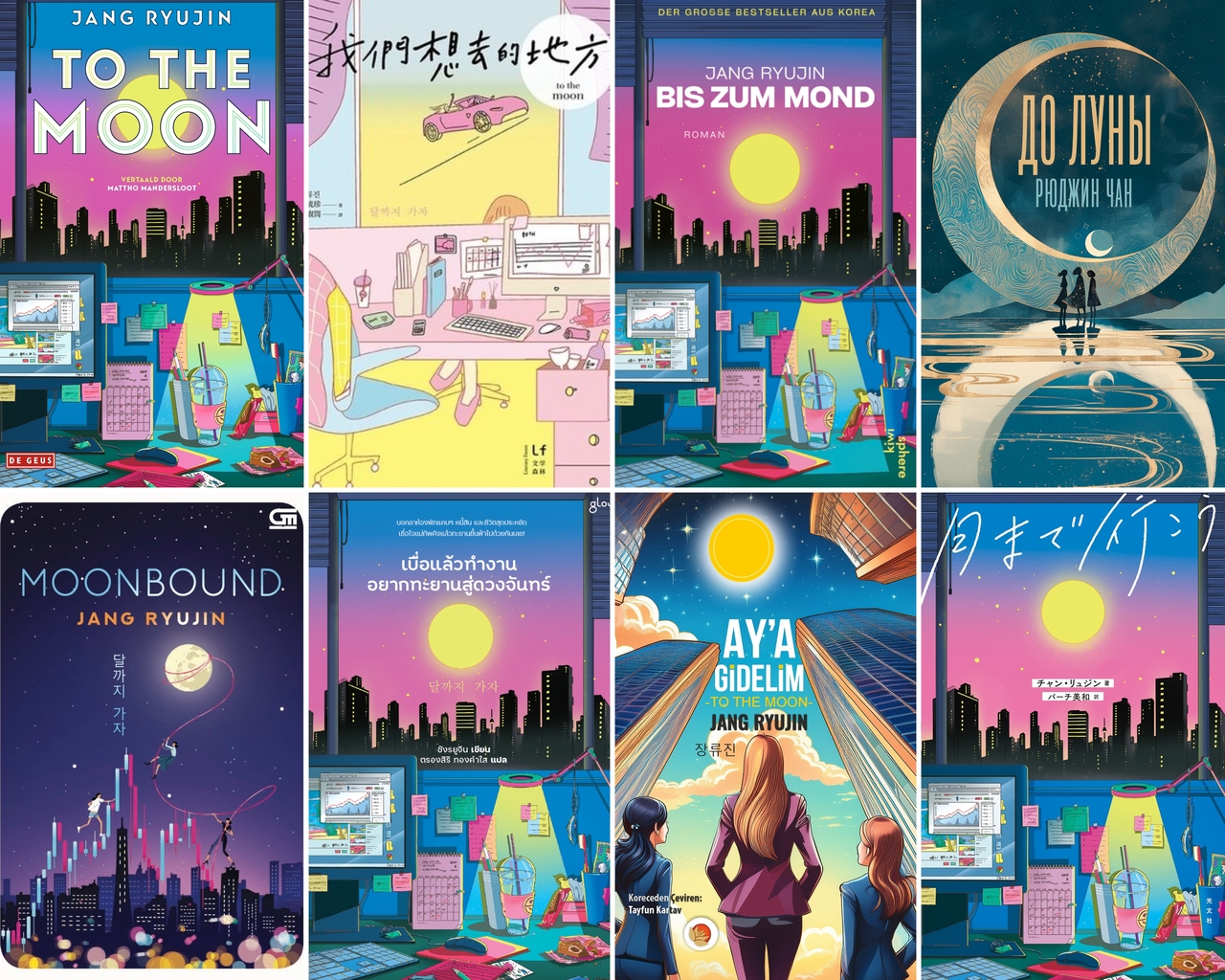
Out of these sprinkles, Jang crafted her first novel, “To the Moon,” a sugar-dusted slice-of-life story about female office workers, their friendship and the precarious promise of crypto riches.
The bestseller in Korea was recently translated into English by Sean Lin Halbert and published by Bloomsbury in the UK, with translations into nine more languages on the way. Next week, its television adaptation will premiere on MBC.
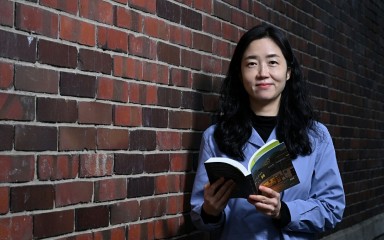
“I wanted this novel to be 'a story rolled in sugar' from the start,” Jang said in an interview with The Korea Herald last week.
“No one gave me that kind of gift, but I could give it to my characters. So, from the very beginning, I knew how the ending would be. I didn’t want to write a moralistic story where people who pursue just a little breathing room get punished or anything.”
The title “To the Moon” comes from crypto slang, referring to a strong belief that a particular cryptocurrency will soon surge dramatically in value.
“But sweet things do leave a sticky aftertaste, and that uncomfortable edge is part of the set, too,” Jang added.
‘We all need 0.2 more, a little cushion in life’
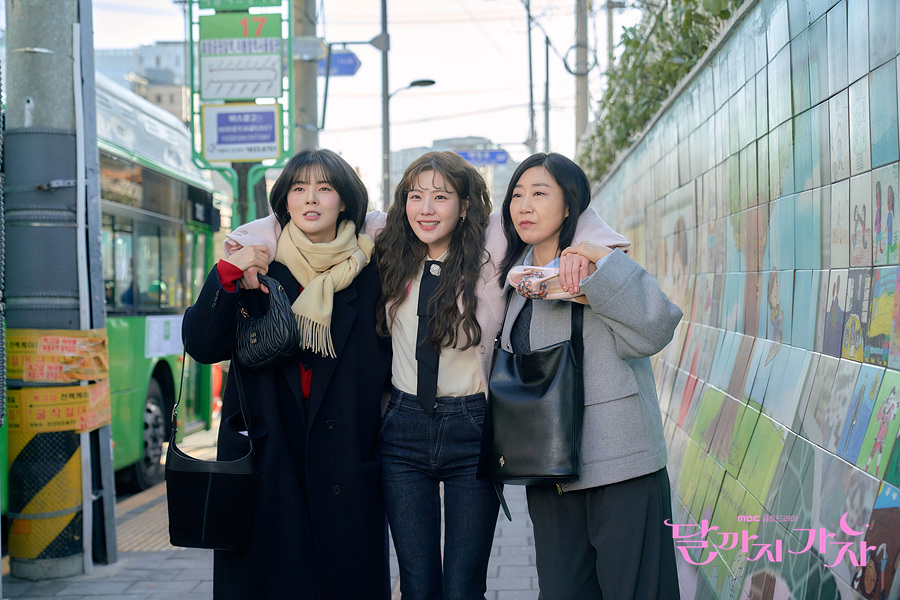
The story follows three young women navigating the grind of mundane desk jobs at a confectionery company, bonding over shared hardships and a mutual longing for financial freedom amid mediocre raises.
Eunsang, the eldest, is always looking for ways to earn extra money and sees cryptocurrency as her ticket out of the office. And she thinks the others should join her. Jisong dreams of a perfect romance with her long-distance boyfriend in Taiwan, spending her modest salary on trips to Taipei. And Dahae is forever searching for a better apartment — one she can actually afford.
As the crypto market begins to fluctuate wildly and spiral out of control, the three ride the dizzying highs and devastating crashes together, testing both their friendships and their futures.
“Some people might say, ‘Others have it worse than you. Aren’t you living just fine?’ But when a major crisis hits, having a small cushion matters. That little bit of breathing room was something I wanted to give these characters,” Jang said.
The metaphor recurs throughout the novel, from Dahae’s tiny one-room flat and fragile wine glasses to cliffside imagery.
Dahae had always hoped to live in a studio apartment with dividers. She's looking for something that she could call a 1.2-room apartment. It's just that she needs that extra 20 percent.
When visiting Dahae’s apartment, Eunsang brings four wine glasses as a housewarming gift. “If you live alone, wouldn’t one be enough?” someone asks. But what if one breaks? (And one actually does.) A little extra, it turns out, is necessary — and that small cushion is precisely the comfort the characters need.
“The things they wish for aren’t extravagant,” Jang said. “Usually, stories about pursuing money come with a moral lesson — you should be satisfied with your lot, or know your limits. But I didn’t want to punish them for wanting more. Some people are born into wealth; others have to scrape by. I wanted to show that chasing even a little freedom doesn’t have to end in disaster.”
Fantastically grounded in hyperrealism
Though the sugar-rolled story can feel like fantasy, Jang grounded it in painstaking realism. Every chart and price point in the novel is based on actual data from 2017-18.
Because cryptocurrency prices fluctuate minute by minute, she couldn’t reflect every single change. Instead, she collected daily averages and meticulously mapped them in tables, creating individual graphs for each character as well. She tracked how each character’s investments would have changed over time, accounting for when Dahae might have broken her savings, or how a sudden dip would affect her mood. By following the numbers, Jang said she could step directly into her characters’ emotional world.
“I enjoy writing very realistic stories, setting them against real backgrounds. And this one felt real and fantastical at the same time,” she said. “The idea of someone investing their entire savings in cryptocurrency and striking it rich might seem like fantasy, but it really happened to someone.”
So Jang wanted to follow actual crypto charts to make the story feel authentic. Her attention to detail extends beyond numbers; she called her editor to correct a scene that mistakenly placed the characters in the office on a Sunday.
Even with the driving scene that seeded the book, Jang couldn’t find an actual road that could accommodate all three cars side by side, hugging the coastline, so she had to adjust the scene.
“Writing fiction is inherently make-believe, but I want readers to feel as if these people really exist somewhere,” Jang said. “That sense of reality is what I aimed for in ‘To the Moon.’”
From IT office worker to runaway literary phenomenon
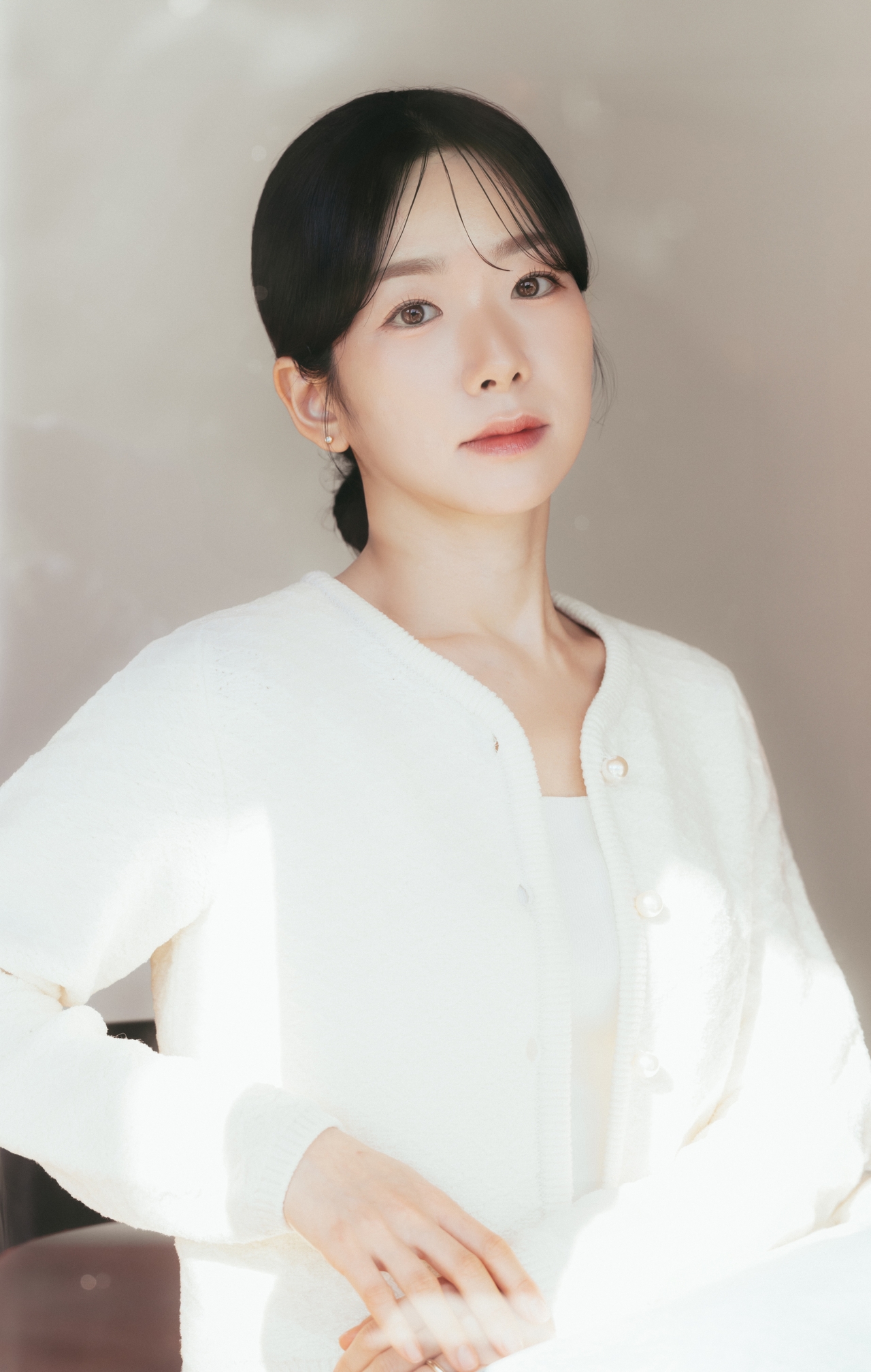
Jang’s arrival on the literary scene was nothing short of a phenomenon. A former office worker at an IT company in Pangyo, a South Korean version of Silicon Valley, she burst onto the scene with "The Pleasures and Sorrows of Work."
Her 2018 short story set against the backdrop of the Pangyo Techno Valley won the Changbi Prize for New Figures.
Changbi Publishers made the story available online for free in October 2018, and the response was explosive: Traffic was so heavy it crashed the server, with total views surpassing 400,000.
Now, as a slice-of-life writer, the 38-year-old offers both solace and a grounded reality check on the office life of the young generation, and her work resonates globally. Her debut short story collection is and will be published in more than six languages, including English, with Bloomsbury in the UK.
“I’m basically my own first reader, so I write what I want to read. That’s what makes it most fun for me,” she said.
The drama series "To the Moon" is set to premiere Sept. 19, starring Lee Sun-bin, Ra Mi-ran and Jo Aram.
“Even though the work was written some time ago, I’m really grateful it continues to have a long life,” Jang said. “With translated editions coming out and interviews still ongoing, it feels like the story keeps living. With the drama adaptation, as both a reader and a viewer, I’m excited to see it unfold.”
hwangdh@heraldcorp.com
![[Eye Interview] Charting remarkable year, Anton Hur‘s journey in literature continues](https://wimg.heraldcorp.com/content/default/2024/10/22/20241022050866_0.jpg?type=h&h=240)