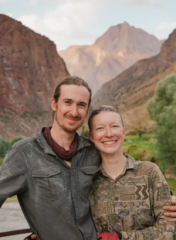
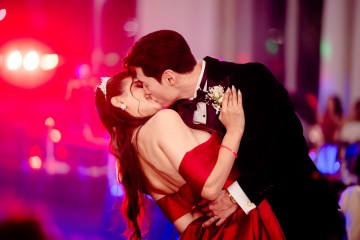
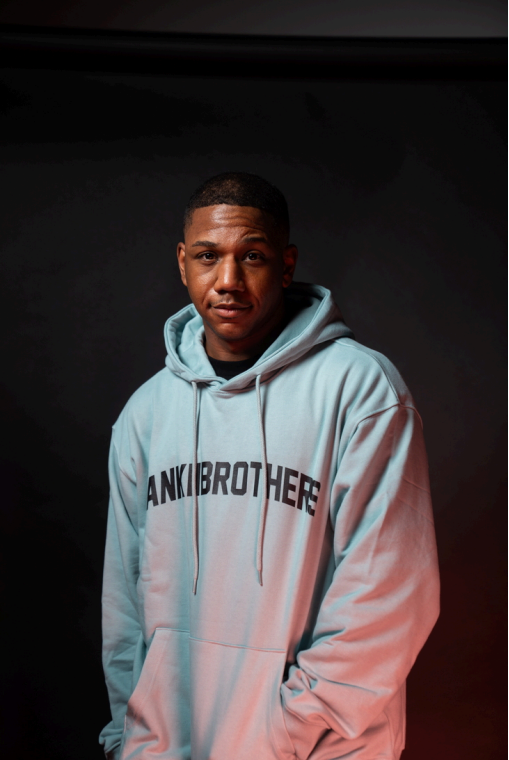
Anthony King, 33, is a US-born filmmaker and professional dancer based in Korea, but his trajectory began far from studio lights: middle-school sports, anime music videos and an obsession over the arcade rhythm game, Dance Dance Revolution.
A friend’s demonstration of a break dancing move called the “turtle stall” lit the fuse. “He showed me that, and I thought it was the most impressive thing in the world,” King said.
Little did he know this would be the beginning of a chapter that would take him halfway across the world, working with K-pop idols left and right — both on and off camera.
In his New Jersey hometown, by late high school, he was choreographing and branching into other styles of dancing such as popping, locking and krumping. In college, he and a few friends formed a crew and made an obvious yet uncommon move at the time: filming their routines and posting them online.
What began as a hobby, pairing a friend’s basic camera work with King’s early editing, quickly became serious as their clips gained traction across dance communities in New York and New Jersey.
“People started coming up to us and asking, ‘How much do you charge for a dance video?’ And in my mind, I was like, ‘Charge? What do you mean?’ But then I was like, ‘I’m not going to say no to money.’ So eventually I started giving some rates, and I started shooting different dancers that wanted dance videos from us. And that‘s how I mistakenly hopped into becoming, like, a dance videographer,” King told The Korea Herald.
The door to Seoul
Another turning point came in 2011 on a production set in New York.
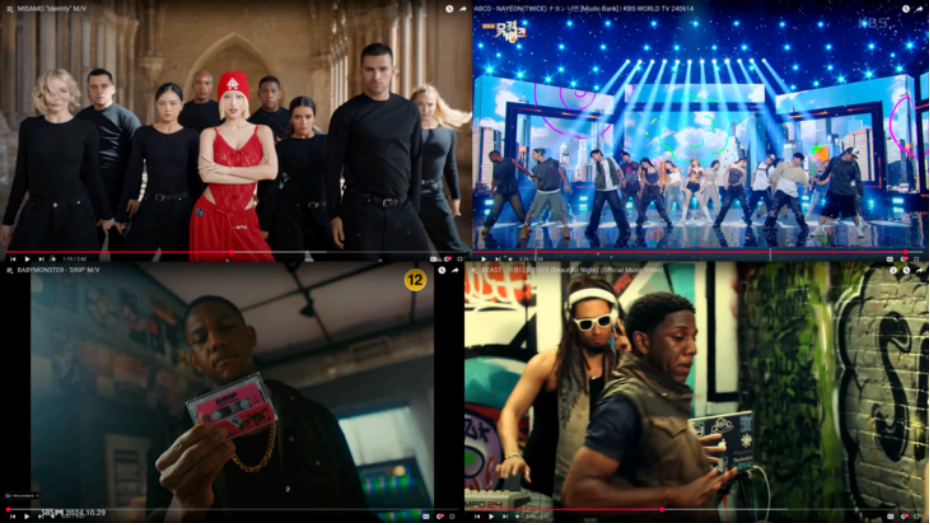
Korean video production company, Zany Bros, was shooting the K-pop boy band BEAST’s “Beautiful Night” music video in New York, and King was hired as one of the dancers. He returned the next year when they were shooting K-pop boy band B.A.P, and was mesmerized by the massive production scale with gear worth thousands of dollars. He told the team at Zany Bros, “I want to do what you do,” to which they replied, “Come to Korea.”
After meeting Zany Bros, King set his sights on Korea. In 2016, he made his first trip to Seoul, taking dance classes at local studios and making videos for Korea’s dance scene.
His first project was a video for a dancer-choreographer named Girin and her team, Cupcakes, featuring Bada and Redy, dancers who would later gain wide recognition on "Street Woman Fighters 2" in 2023. A pivotal connection followed with dancer-choreographer Che Yubina, also known as Chesir, sparking a run of collaborations that helped further establish his name in Korea.
The Lilifilm breakthrough
Ask what most people know him for, and he smiles: Blackpink Lisa’s Lilifilm series. The collaboration traces back to 2018, during a time when King began creating with Che. Their videos traveled online — Lisa watched, then reached out to take classes with Che, an experience that inspired her to launch a personal dance channel.
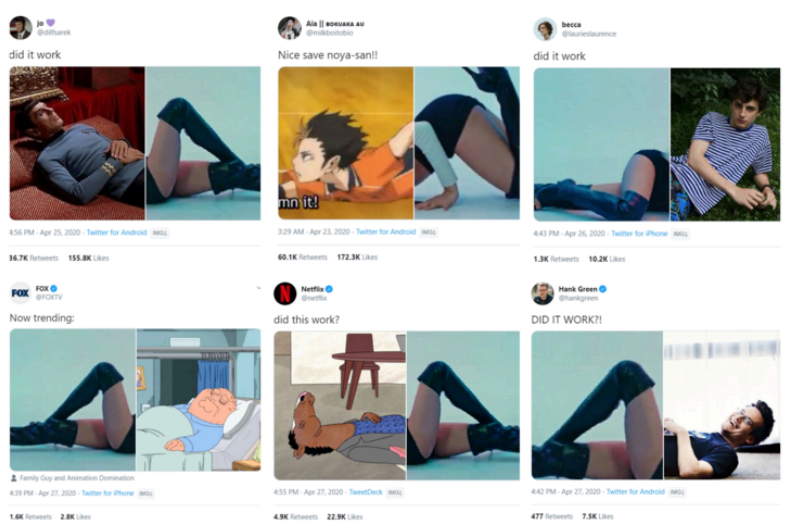
King missed the first two chances to film “Lilifilm 1” and “Lilifilm 2” — he was stateside each time — but when he finally relocated to Korea, the door opened. “Lilifilm 3,” a studio piece with white walls and Lisa in knee-high black boots, detonated online for an unexpected reason: people were cropping her long legs and pasting them onto mismatched bodies — from Iron Man to the Hulk and countless others.
“I knew it’d do well because it’s Lisa,” he says, “but that meme? Wild.”
Behind the scenes, however, were headaches. Early lighting choices forced a grueling color grade in post-production. On set, a gimbal fall damaged his focus motor, and an unintended blur as Lisa smacked the lens became the shot that thousands of creators replicated in their covers. He laughs at the serendipity — what began as a problem read as a stylistic flourish.
“Lilifilm 4,” featuring dancers such as Vata from "Street Man Fighter," traded the studio for a gritty garage backdrop, and then came “Lilifilm: The Movie,” a push into fully conceptual territory. The project played like a culmination of his work and his life. It not only folded storytelling, K-pop and Seoul’s dance scene into a single dance video, but also brought in his college friend-turned-actor Aaron Chan Manero, who coached the entire card-table sequence and made a special appearance.
As of 2025, “Lilifilm: The Movie” is the most-viewed on Lisa’s Lilifilm channel, amassing about 160 million views on YouTube.
“(It was a) small production, but we did something that turned out pretty huge and big,” King said. “It‘s been years, but that video I would say is the one video that, as I was living here in Korea, it really helped me take off in my career. After that, I worked with so many different idols.”
“Paranoid,” precision, and the moving light
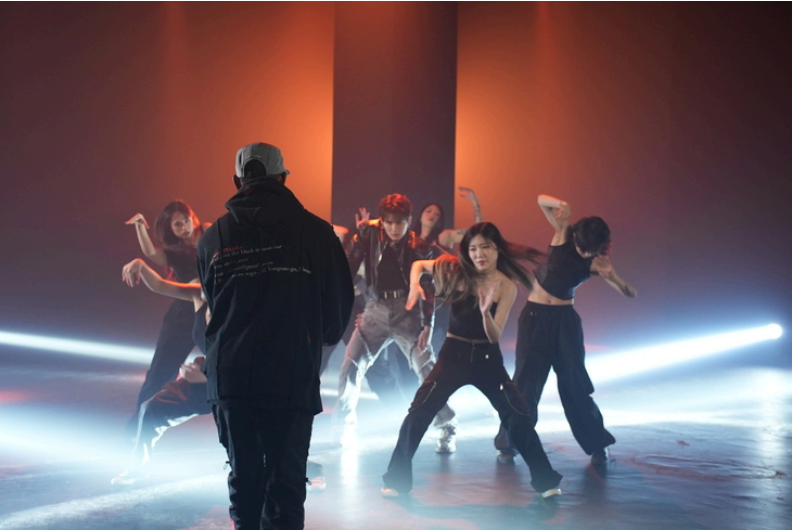
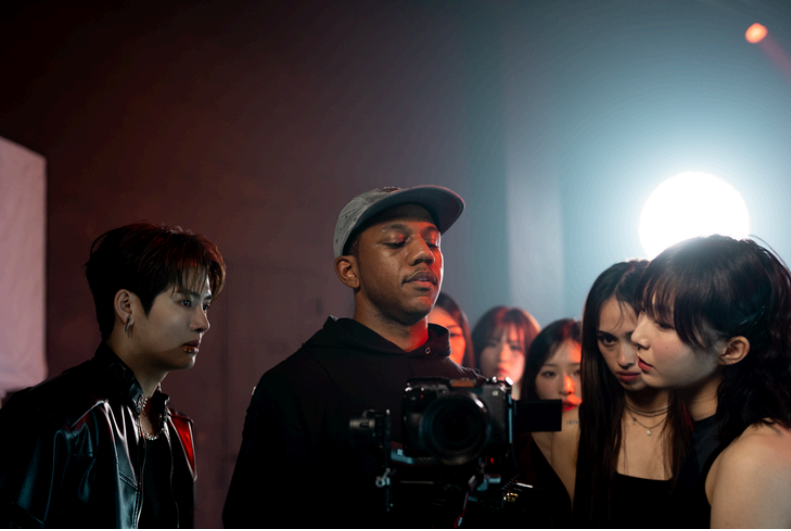
Storytelling through dance now shapes his work with artists across East Asia. The Korea Herald went behind the scenes on King’s shoot for Japanese artist Rikimaru’s “Paranoid,” where the set ran like a small orchestra: dancers filled the stage, the lighting team hit the cues, and King matched camera movement to the choreography and music. His dance background is an advantage on fast-moving sets, especially when the choreographer is directing remotely.
Korea has offered scale and opportunity, but working without speaking fluent Korean has also meant navigating the limits of interpreters and building authority.
“Mutual friends will say, ‘there’s someone that wants to work with you, but they‘re afraid to speak and work with you because they can’t speak to you directly, and there‘s a lot of important things that they want to be able to express and discuss.’ So then, because of that, because of the language barrier, I wasn’t able to work,” King says.
As he began to study and use more Korean on set, however, he’s noticed a shift — even with longtime collaborators. Trust comes faster, and conversations feel less transactional and more collaborative.
“As I was learning Korean, and I started speaking to clients and also people that I‘ve already known for a long time, like native Korean people, they would mention to me that they feel like they’re actually friends with me now. Which is kind of sad to say. I‘ve known someone since 2016, and by 2022, they’re like, ‘Now that you can speak a little bit, I feel like we‘re actually close.’ One of the biggest things is, when you’re doing business, whether it‘s film or whatever you’re going, people only like to work with people that they feel close with essentially. So if they can‘t speak the language that I speak or we can’t speak the same language and communicate properly, they‘re never going to feel comfortable around me.”
On the K-pop stage
The dancer half of King’s identity keeps generating work. Last year, he performed on music shows and featured in the official performance video for Twice member Nayeon’s lead single, “ABCD.”
The visibility led to more calls from Twice’s label, JYP Entertainment, and soon he was booked for additional shoots with Twice’s unit, Misamo. He sees a broader shift underway: foreign dancers moving from background roles to core positions in music videos and, increasingly, on live stages.
The case is as practical as it is aesthetic — tight timelines, global audiences and choreography that rewards performers who can adjust quickly to camera plans and floor traffic.
That momentum confirmed a hunch he’d had for years. K-pop’s global wave felt inevitable to him — he points to the popularity of “Gangnam Style” and K-pop idol Taeyang’s “Wedding Dress” as early signals — and he saw room in Korea for both dance-driven filmmaking and international dancers.
“Asia is getting the respect that (it) deserves,” King says. “They have a lot of talent here and they‘re growing and they created something that’s pretty unique to their own and everyone wants it now. So I want to stay within that and keep going with the momentum and see how much further I can go.”
To learn more about Anthony King’s “Life In Korea,” check out The Korea Herald’s YouTube channel.
tammy@heraldcorp.com