World’s largest halal expo dobules as cultural stage for exchange of fashion, food, knowledge and more
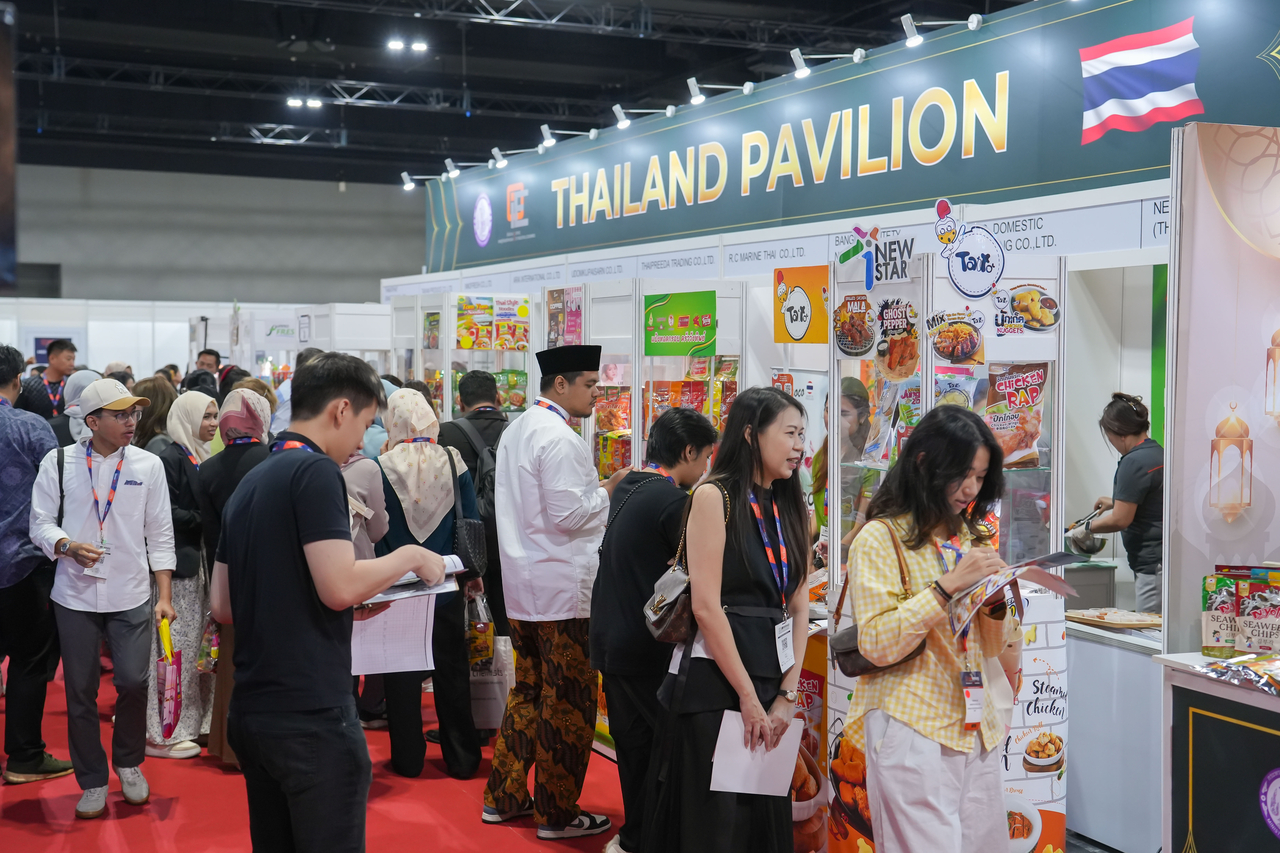
KUALA LUMPUR, Malaysia -- In equal parts trade forum and cultural celebration, the Malaysia International Halal Showcase 2025 closed with momentum Saturday, surpassing its 4.5 billion Malaysian ringgit ($1 billion) sales target to reach 4.97 billion ringgit.
Alongside trade deals, halal-themed activities powered the four-day showcase and set Malaysia’s growing halal economy in motion.
The most vibrant hub of the showcase was the expansive halal exhibition floor, where 2,400 booths and exhibitors from 80 countries, including Korea, Japan, Vietnam and China, displayed an array of halal-related products within their national pavilions.
A key highlight was the launch of the ASEAN Pavilion, jointly organized by the ASEAN-Japan Center, the Malaysia External Trade Development Corporation and Malaysia’s Ministry of Investment, Trade and Industry.
Featuring 20 enterprises from the member states of the Association of Southeast Asian Nations, the pavilion spotlighted the region’s diversity and rich traditions.
“The pavilion marks a significant milestone in our commitment to creating meaningful opportunities for small and medium enterprises while fostering stronger, more sustainable partnerships between ASEAN, Japan and Malaysia,” said AJC Secretary General Kunihiko Hirabayashi.
Another milestone came through a memorandum of understanding between Matrade and QazTrade, Kazakhstan’s national trade body, marking a step forward in Malaysia’s trade engagement with Central Asia.
The agreement seeks to enhance bilateral promotion, knowledge exchange and collaboration in the halal sector, Matrade explained.
The showcase moved beyond diplomacy, pulsing with action and inspiration, just as Malaysia’s Minister of Investment, Trade and Industry, Tengku Zafrul Aziz, framed halal as “a forward-looking economic strategy” that strengthens soft power and opens new pathways to prosperity.
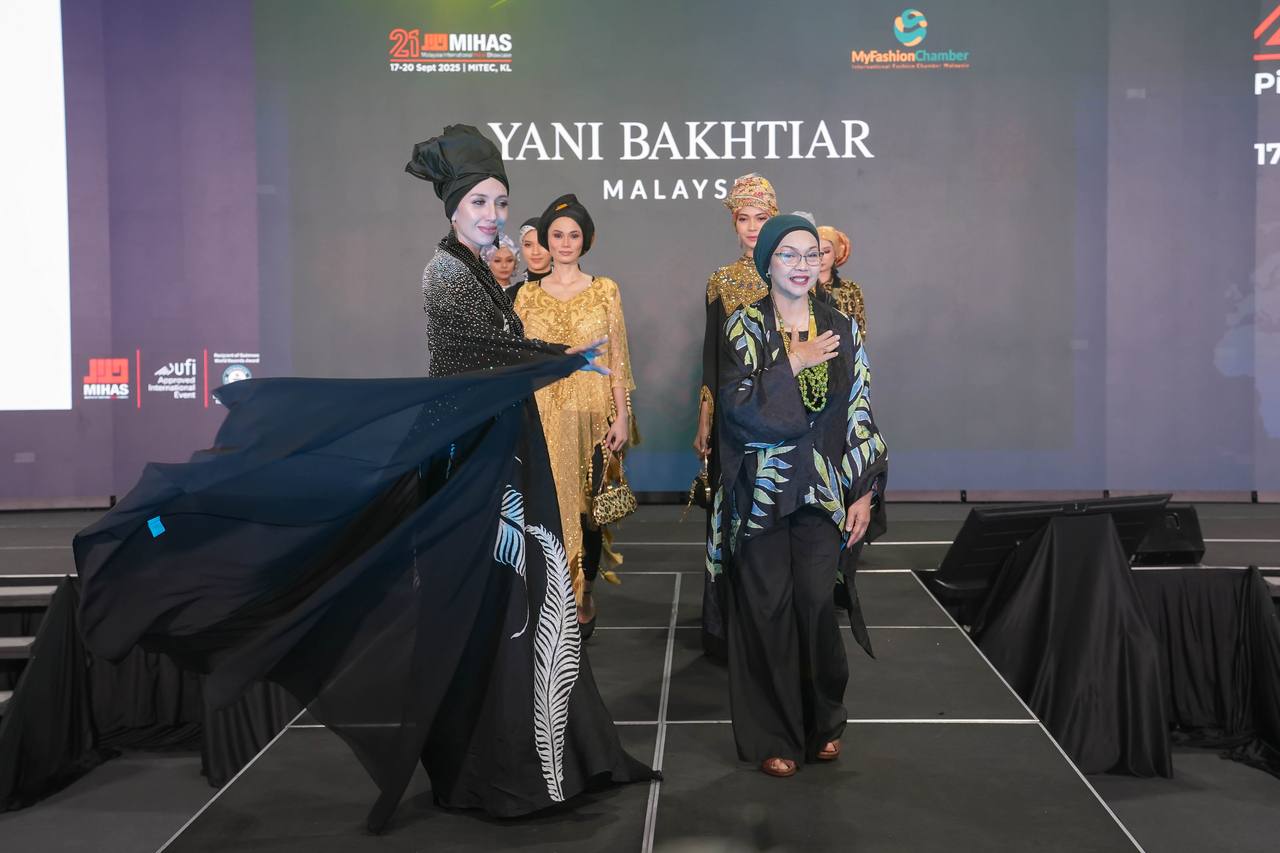
For one, the showcase’s modest fashion runway drew crowds with collections that blended heritage and contemporary design, as designers used the platform to court regional buyers and raise their international profiles.
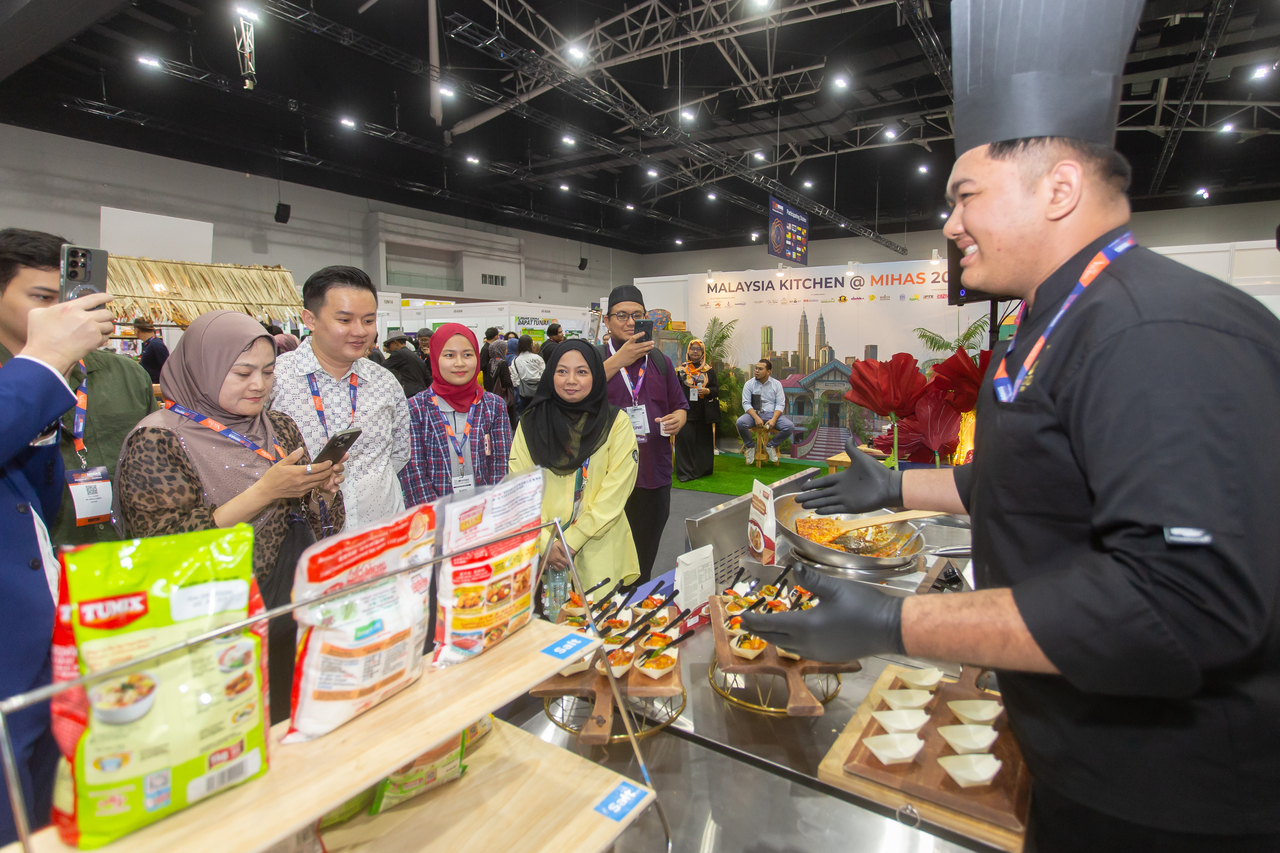
The showcase also hosted a dedicated kitchen show, where halal gastronomy took center stage, spotlighting how certification intersects with health and local storytelling. Live cooking demos and tastings highlighted culinary diversity, from traditional Malay dishes to modern reinterpretations.
Meanwhile, MIHAS’s digital-first knowledge exchange platform, the Knowledge Hub, featured 23 sessions with over 70 speakers, offering actionable insights on market access and brand strategy to help participants navigate the global halal economy.
A standout voice on digital branding was Venon Tian, co-founder of local chain ZUS Coffee, whose journey embodied the grit and digital agility that define Malaysia’s new wave of halal enterprises.
“Little did we know that the business model we brought into the country, the idea of ordering coffee through an app, was exactly what people needed,” he said.
The showcase concluded with the MIHAS Awards, recognizing 14 trailblazing companies for achievements in innovation, export performance, and environmental, social and governance leadership.
“The MIHAS Awards celebrate visionary enterprises setting new benchmarks in halal trade,” said Matrade Chair Reezal Merican Naina Merican. Recognizing both industry leaders and emerging players aligns with Malaysia’s push for inclusive, innovation-led growth, he added.
Matrade said it aims to broaden access to high-potential halal markets by taking the showcase overseas. This November, MIHAS will expand to Shanghai in partnership with the China International Import Expo, with plans to enter Europe in 2026.
minmin@heraldcorp.com