National strategy meeting vows pan-ministerial efforts to improve tourism for both international and domestic travelers
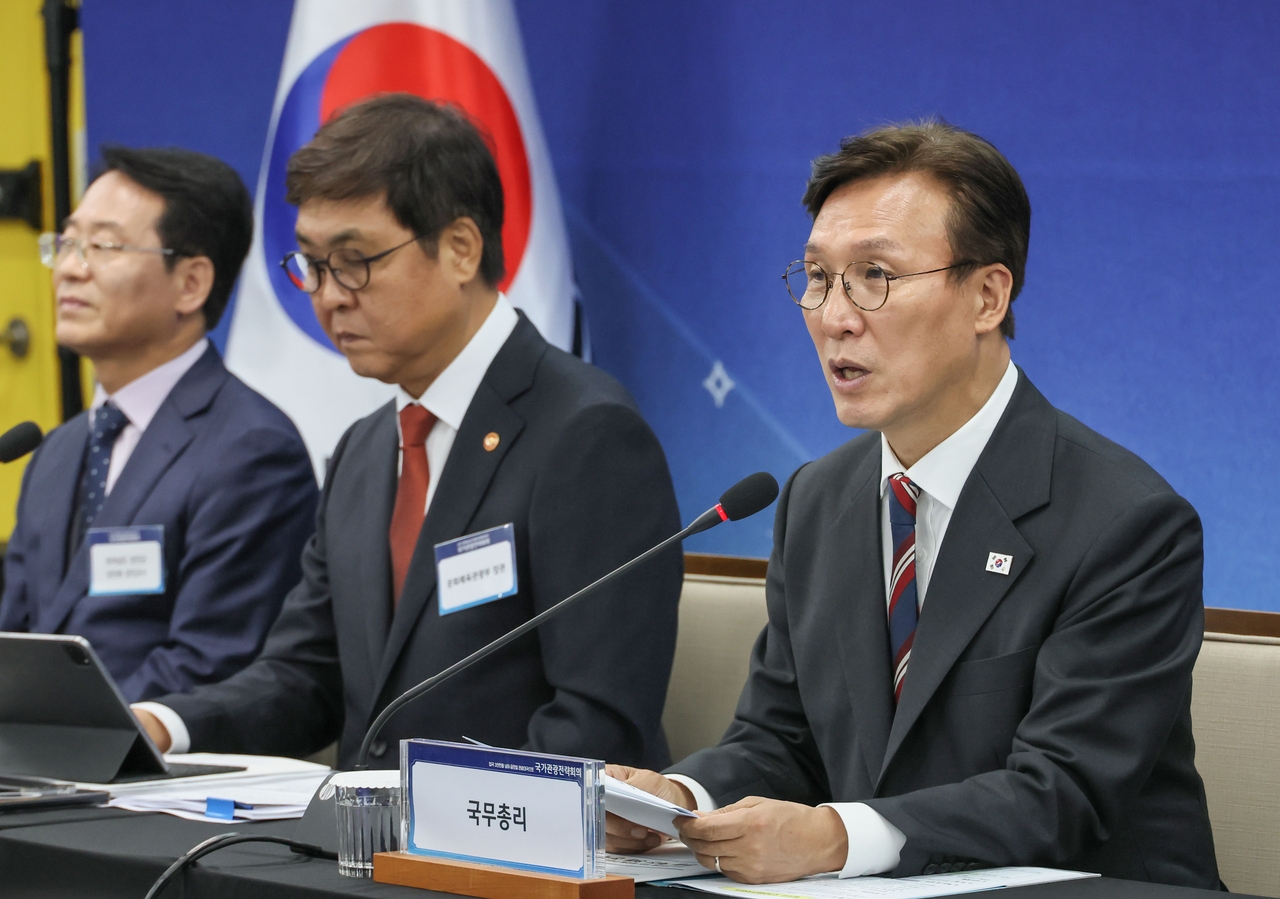
Amid rising interest in visiting Korea from overseas, the government on Thursday vowed to take wide-ranging measures to cater to tourists, from creating new tourism hubs to revisiting decades-old tourism laws.
Seeking to attract 30 million inbound travelers by 2030, the 10th National Tourism Strategy Meeting, presided over by the Prime Minister Kim Min-seok, convened Thursday, unveiling major strategies for tourism.
The government said it would allocate a sizable budget to develop at least one more major tourism hub that overseas travelers can access as conveniently as Seoul, stressing the need to promote destinations beyond Seoul and surrounds.
Culture Minister Chae Hwi-young drew comparisons with Japan, which has outpaced Korea in inbound tourism in the last 10 years.
“When it comes to the scale of foreign tourists in Korea and Japan, the two countries were almost at the same level 10 years ago, in 2014. But after that, Japan’s numbers suddenly surged. Post-pandemic, Japan now welcomes over 36 million visitors a year — more than double our figure,” Chae said, attributing Japan’s success to its government’s 2013 drive to lower entry barriers, ease regulations and reform taxes.

Chae noted that Japan’s appeal also comes from its diversity of destinations. “When visitors think of Japan, they see many points of light: Tokyo, Osaka, Sapporo, Fukuoka and more. The same goes for Vietnam, with Da Nang, Hanoi, Ho Chi Minh City and Phu Quoc all standing out as distinct draws,” he said.
Alongside new development plans, the government acknowledged persistent problems in accommodation and payment systems, which have long been cited as major inconveniences for foreign national tourists. Officials vowed to address these issues quickly, emphasizing the need to improve overall service quality, from lodging and transportation to shopping payments.
The country will also extend its waiver of the Korea Electronic Travel Authorization (K-ETA) requirement, an online approval system for visa-exempt travelers. The exemption, which currently applies to about 22 countries, will remain in effect until the end of 2026. Chae noted that popular markets such as Thailand and Malaysia are not yet covered by the visa waiver system, suggesting the possibility of further revisions.
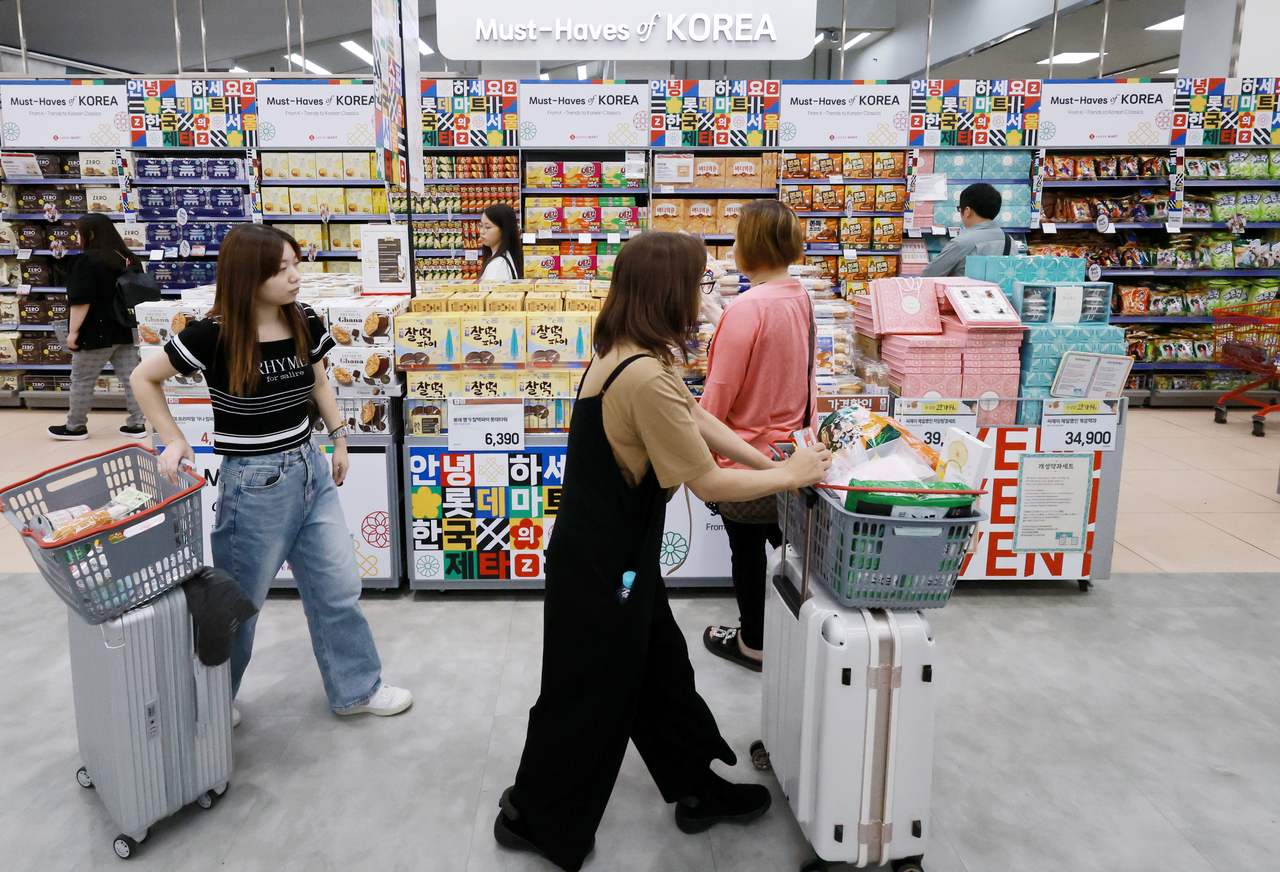
The government is also considering allowing international students on student visas to convert to E-9 visas. These permit foreign national workers to take "non-professional jobs" in sectors such as manufacturing, construction and agriculture, and would expand employment options for graduates seeking to remain and work in Korea.
Additionally, the government plans to broaden its tourism portfolio, promoting medical tourism, wellness tourism and the MICE sector (meetings, incentives, conferences, and exhibitions). A new arena concert venue is set to open in the Seoul metropolitan area in 2030, alongside a complex dedicated to K-content.
As part of the government’s efforts to improve and streamline policy and industry support, outdated tourism-related laws will be revamped, including the Framework Act on Tourism, enacted in 1975, and the Tourism Promotion Act, enacted in 1986. The latter will be split into two separate laws: the Tourism Industry Act and the Regional Tourism Development Act.
Beyond infrastructure and regulations, experts highlighted the importance of branding and narrative in shaping tourism.
“Local governments should prioritize storytelling and branding for their cities,” said Noh Hee-young, a branding expert, during the strategy meeting.
“In today’s tourism, the desire to take memorable photos often outweighs the desire to eat local specialties. Ultimately, it is a competition of who tells the better story first, which makes creating unique narratives for each city more important than large-scale infrastructure.”
According to the Korea Tourism Organization, 8.83 million overseas tourists visited Korea in the first half of 2025 — a 14.6 percent increase from the same period last year and already exceeding pre-pandemic levels.

gypark@heraldcorp.com