Local desire for youthful glow drives growth of affordable, expert clinics, which now attract growing wave of foreign patients
On her first trip to Seoul in 2023, Heidi Mae couldn’t take her eyes off the walls inside a Gangnam subway station lit up with glossy billboards for cosmetic surgery, especially the images of women with radiant skin and plump, youthful cheeks.
Having lost nearly 10 kilograms at the time, she felt her skin loosen and her cheeks began to sag, and Korea appeared to be the ideal destination to address her beauty concerns.
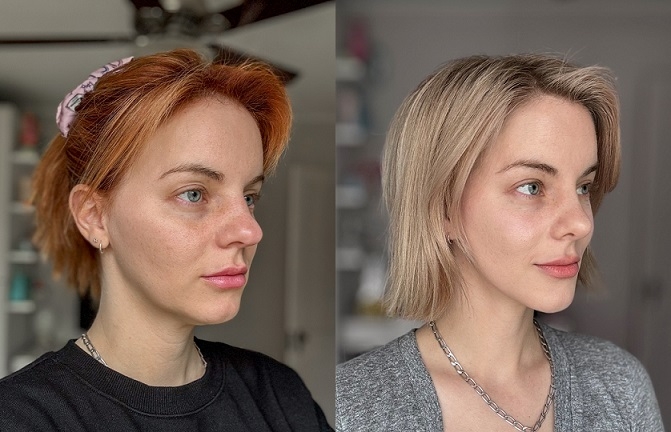
A year later, she returned to Korea for a full face-lift and rhinoplasty at Nana Plastic Surgery Hospital in Cheongdam-dong. She called the transformation a “night and day difference.”
“My face changed so much from the weight loss that I didn’t recognize myself in the mirror. I felt so hopeless knowing that facial sagging worsens with age. After the surgery, I felt like myself again. My cheeks have a more youthful contour, and I look more refreshed,” she told The Korea Herald.
Her impression that Korean women appear more youthful than their age led her to decide on having a face-lift and nose job in Korea rather than elsewhere.
“In Korea, women in their late 30s look 10 to 15 years younger. I think a lot of that comes from advanced antiaging treatments and the way people here avoid sun damage. Back in the US, where being tanned is a beauty standard, people tend to show signs of aging much earlier,” she said.
antiaging is emerging as one of the biggest draws in Korea’s medical tourism scene.
The hashtag “KoreaGlowUp” has recently gone viral on social media as foreigners post videos of their striking before-and-after looks after visiting Korea.
Ranging from simple Botox injections to invasive procedures such as face-lifts, many of these makeover videos revolve around antiaging.
Peyton, 28, who lives in the US with her Korean husband and visits Korea every year, is among those leading the “KoreaGlowUp” hashtag. Her Instagram video, which highlights her more radiant appearance after her trip to Korea, has racked up over 2 million views.

In June, at a plastic surgery clinic in Hongdae, she received Botox for the first time around her eyes and forehead, InMode Forma, a non-invasive radio-frequency treatment that stimulates collagen and improves skin elasticity, and a laser procedure to reduce dark circles under her eyes.
“Skin treatments at clinics in Korea are much more affordable compared to the US. You can also walk into many clinics without an appointment, which is less common back home,” she told The Korea Herald.
With Koreans’ strong interest in appearance and the easy access to both clinic treatments and skincare products, medical tourism in the country has advanced at a faster pace, she added.
A record-breaking 1.17 million overseas patients visited Korea last year, the highest figure since the country began actively attracting international patients in 2009.
Among all medical specialties, dermatology took the largest share with 705,000 patients, accounting for 56.6 percent of the total, followed by plastic surgery (11.4 percent), internal medicine (10 percent) and medical checkup centers (4.5 percent).
What’s special about Korean antiaging?
Although some antiaging procedures popular among foreign national patients originated outside Korea, many choose Seoul for its cutting-edge techniques, according to Kim Soo-chul, the veteran plastic surgeon with over 20 years of experience leading AgingL Plastic Surgery in Seoul’s Gangnam District.
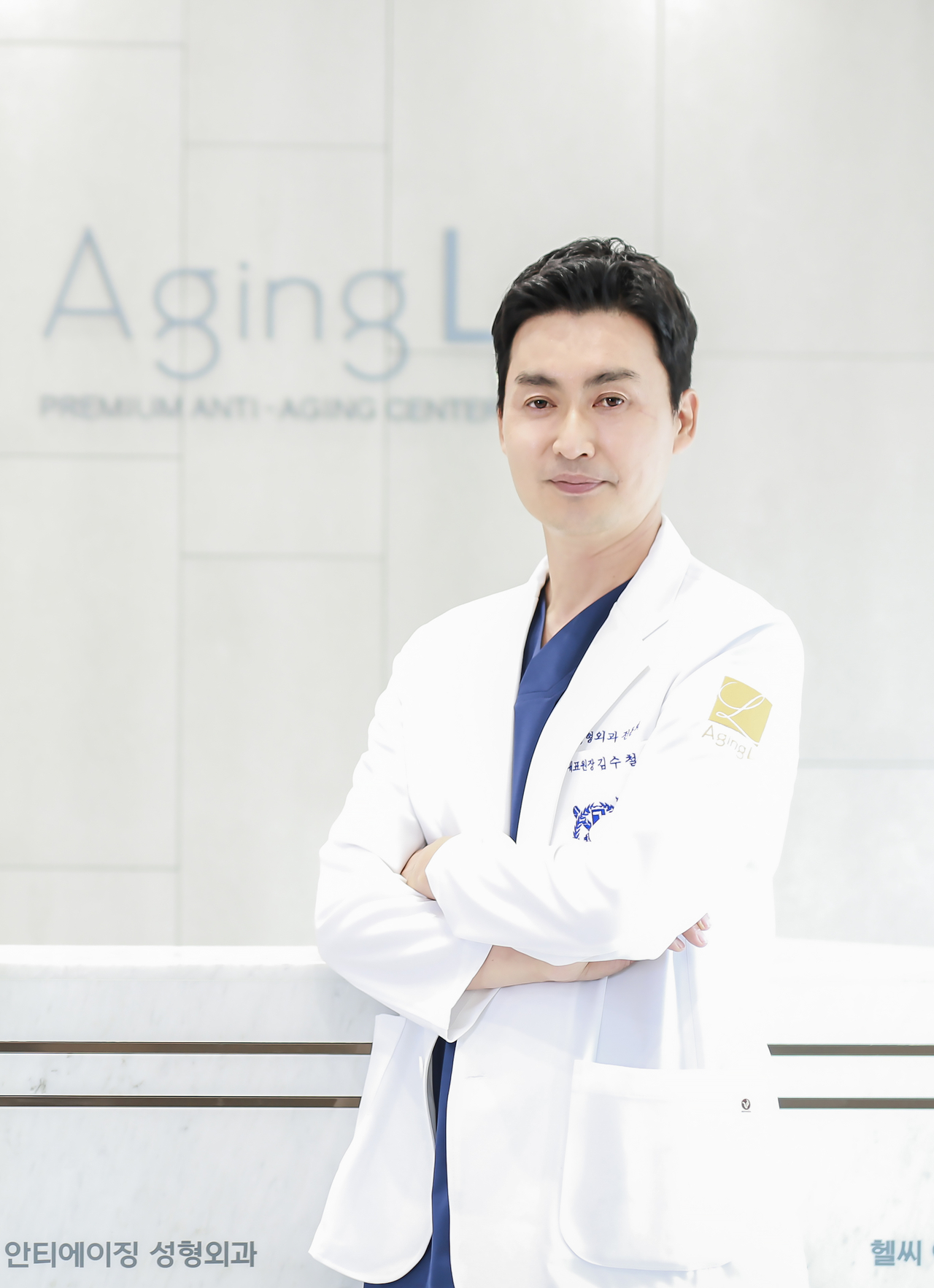
Among them is the face-lift, which was first developed in the US but has since become a field where Korea has earned international recognition.
“Korean surgeons have significantly advanced their skills to address the unique challenges posed by East Asian facial features such as more prominent contours,” Kim told The Korea Herald.
Face-lift surgery involves making incisions around the ear, lifting the skin, tightening the underlying SMAS layer with sutures, and redraping the skin to create a smoother, longer-lasting youthful appearance. The SMAS layer, or superficial muscular aponeurotic system, is a layer of tissue connected to the dermis, the middle layer of skin.
According to Kim, face-lifts tend to cause more bleeding in Asian patients compared to Western patients. This has driven Korean surgeons to develop more refined surgical techniques.
Specialized antiaging treatments targeting different skin issues have become another key driver of popularity.
“When the skin becomes thinner and loses elasticity, patients can turn to skin booster injections such as Rejuran or Juvelook. For sagging skin, treatments range from laser procedures such as Ulthera to face-lifts. If there is a lack of volume around the eyes or cheeks, fillers or fat grafts are often used, while Botox is typically applied to smooth out fine wrinkles,” he said.
The doctor stressed that the high level of expertise behind Korea’s antiaging treatments and surgeries is rooted in the country’s rapidly aging society, where rising life expectancy has fueled strong demand for “prejuvenation.”
“In the past, such treatments mainly attracted middle-aged and older patients, but more recently, people in their 20s and 30s have also begun seeking them out as a way to maintain youth and health in advance,” he added.
cjh@heraldcorp.com




![[Weekender] Are men with type B blood really womanizers?](https://wimg.heraldcorp.com/content/default/2018/07/26/20180726000649_0.jpg?type=h&h=240)

![[Weekender] [K-School] From lobster to rose tteokbokki, Korean school food continues to evolve](https://wimg.heraldcorp.com/content/default/2023/12/07/20231207000820_0.jpg?type=h&h=240)