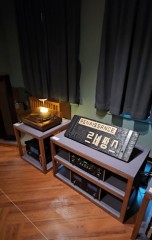
Born during the chaos of the Korean War, a quiet refuge for classical music lovers has found new life in the heart of Seoul
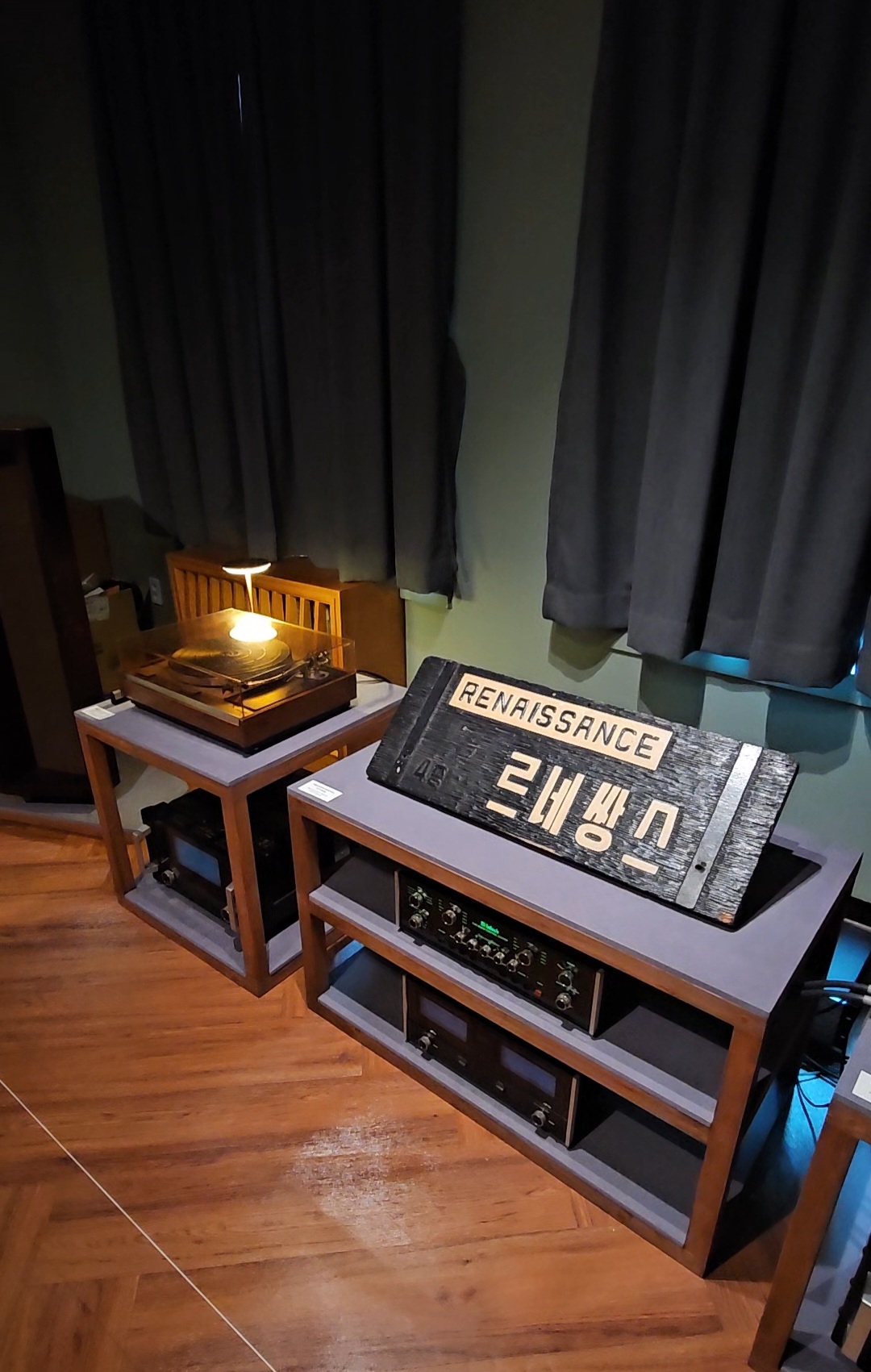
Renaissance, Re:naissance is more than just a place to enjoy classical LPs — it’s a modern reimagining of Korea’s first classical music listening room, founded during one of the nation’s darkest periods.
At the height of the Korean War, as Seoul fell and Busan became the provisional capital, the nearby city of Daegu swelled with refugees, artists and displaced citizens. Among them was the late Park Yong-chan, chair of Shinheung Construction, who fled his hometown carrying just a few precious possessions — including his cherished collection of LP records.
In Daegu, Park opened a modest tea room for classical music lovers in 1951, naming it Renaissance Tea Room. He hoped his collection would offer a rare sense of peace and freedom through music, a sanctuary amid the gunfire, chaos and daily struggle to survive. After the war ended, the venue relocated in 1954 to Seoul's Insa-dong and in 1960 to the Youngan Building in Jongno 1-ga. It remained there until 1986, serving as one of the few places in Korea where classical music fans could immerse themselves in Western classical music.
Now, opened in May in Jongno-gu, Seoul, Renaissance, Re:naissance brings that spirit back to life.
Located in a lounge at the Artists’ House, once an annex of the prestigious Seoul National University, the space offers a quiet refuge from the city’s bustle. It is operated by the Arts Council Korea, a public agency that promotes artists and runs cultural venues such as the ARKO Arts Theater.
Entering the listening room feels like walking into the cozy living room of a remote lodge tucked away in the mountains.
Rows of cushioned chairs, arranged like those in a private theater, face towering speakers that fill the room with the cascading notes of Vivaldi’s “Summer” from The Four Seasons. As listeners step closer, the soft crackle of the LP grows clearer, adding a tactile warmth to the sound.
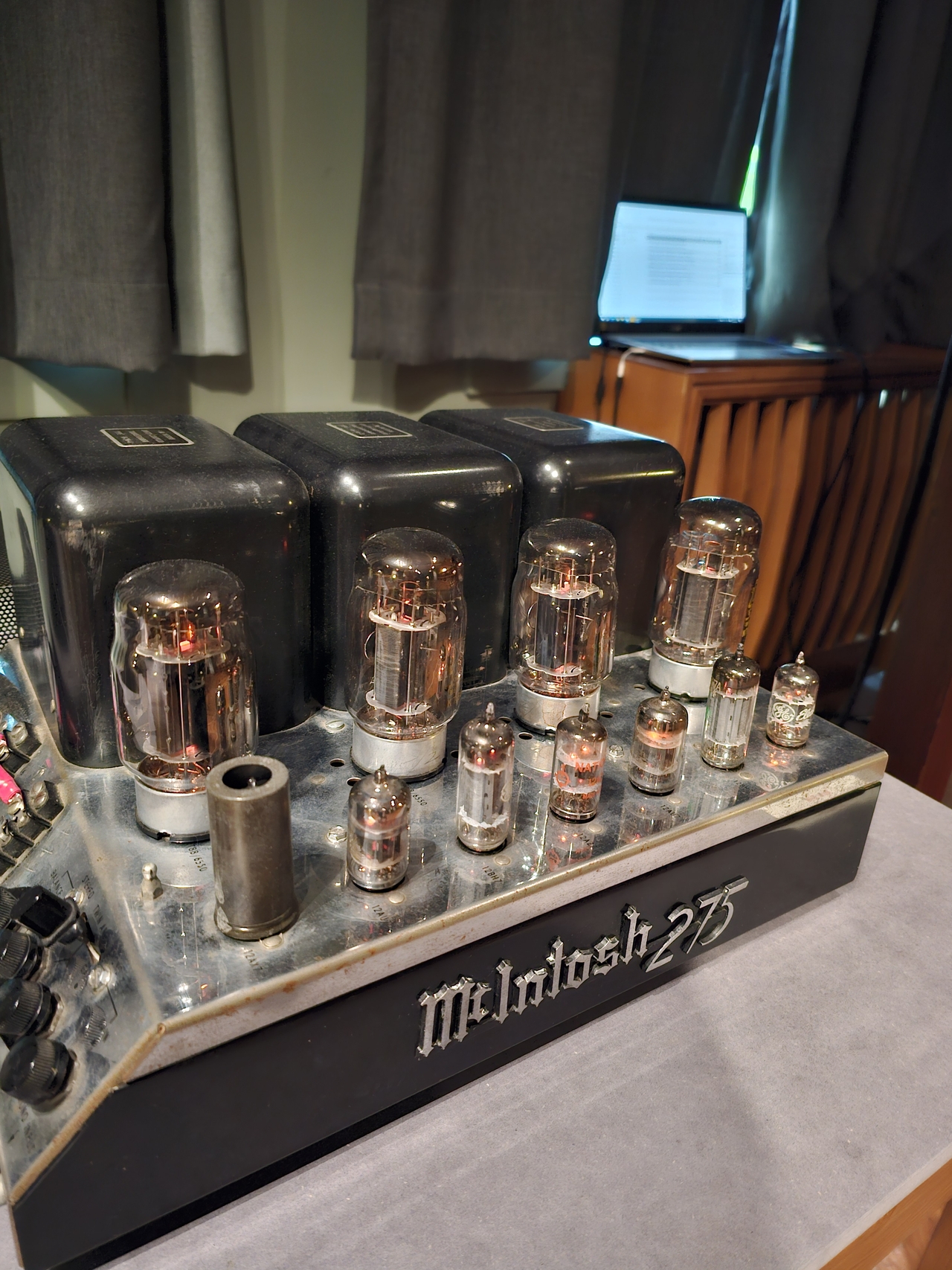
On a cabinet beside the speakers rest a gramophone, a turntable and a tube power amplifier — vintage touches that evoke the nostalgia of the 1950s.
Selected tracks from over 6,000 classical LPs contributed by Park and preserved at the ARKO Arts Archive are brought to life through the vintage “JBL Hartsfield D30085” speakers once used at the original Renaissance. These are accompanied by rare, sought-after amplifiers donated by individual collectors, including the legendary McIntosh MC275.
Open from 10 a.m. to 5 p.m., the listening room's playlists are arranged by era and into three sessions. From 10 a.m. to noon, visitors are greeted with the sounds of the Baroque period (1600-1750), featuring Bach, Handel and their contemporaries. Between noon and 2 p.m., the playlist shifts to the Classical period (1750-1820), showcasing chamber works and symphonies of the 18th century.
The final session carries listeners into the Romantic period (1800-1850), epitomized by composers such as Schubert and Schumann, and onward into the 20th century, when art songs — a type of vocal music rooted in poetry with piano accompaniment — came to prominence.
Past newspaper clippings and old admission tickets decorate one wall of the listening room, evoking a sense of nostalgia, especially for older visitors who once experienced Renaissance in its heyday.
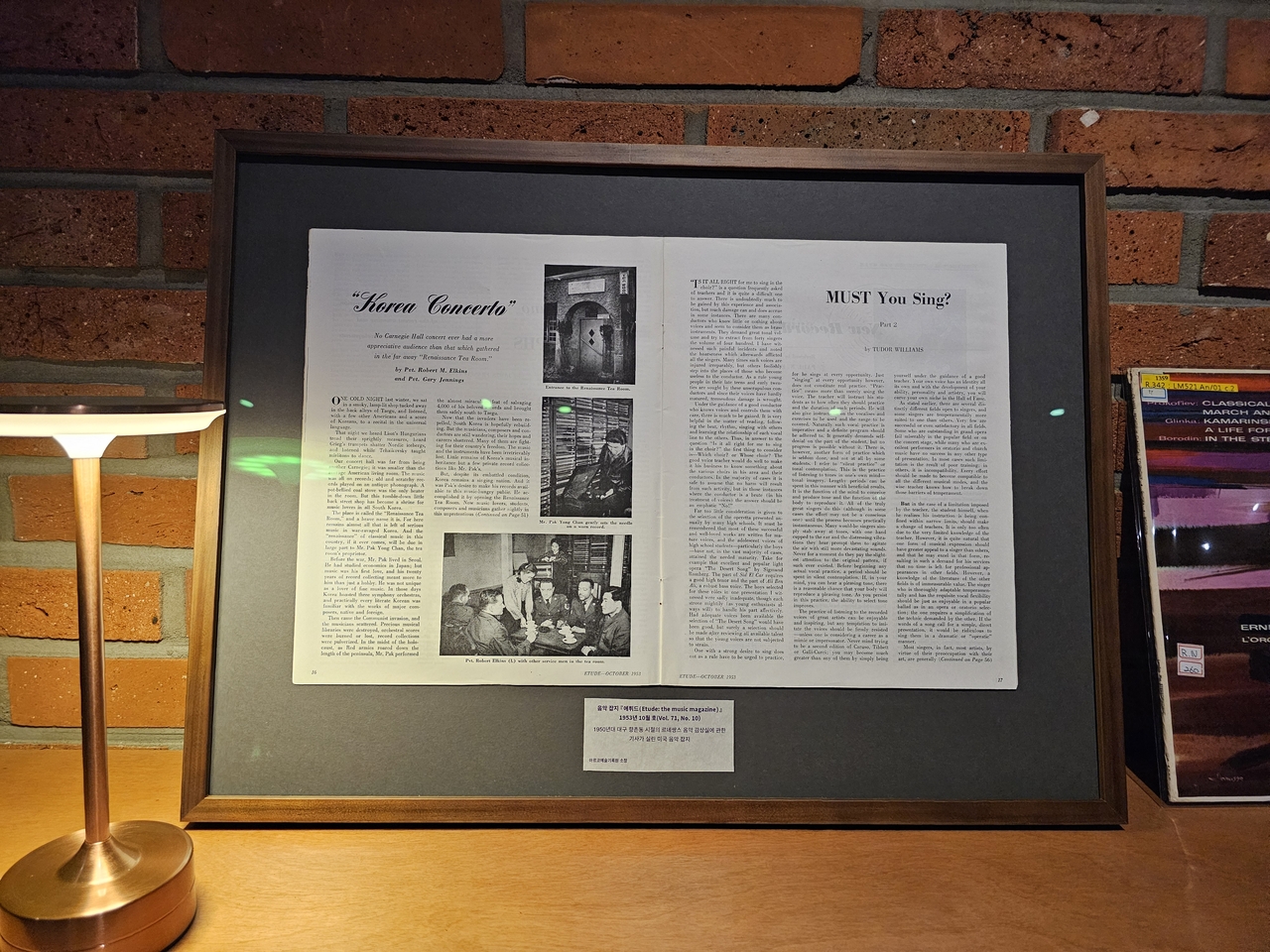
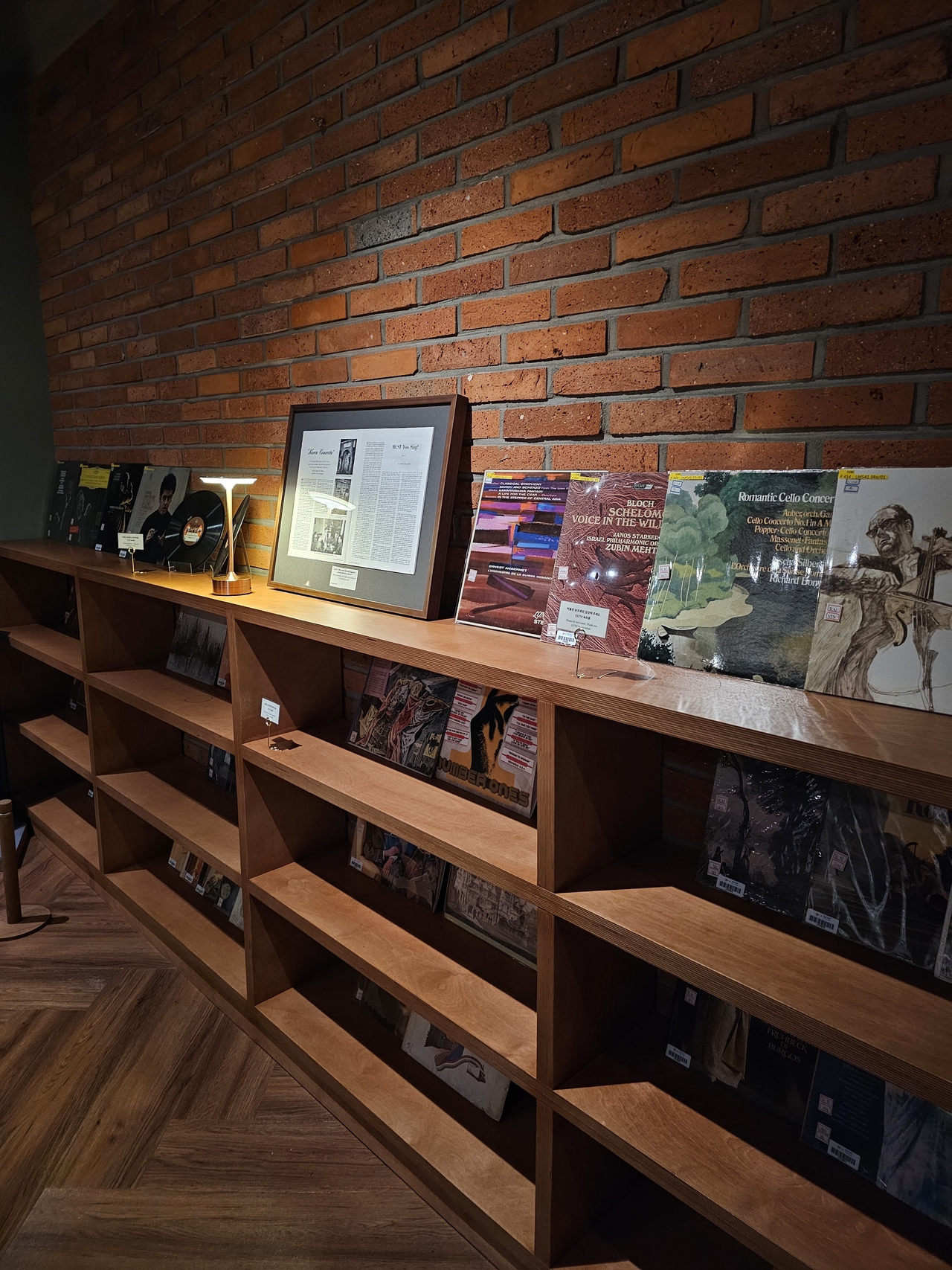
“For here remains almost all that is left of serious music in war-ravaged Korea. And the ‘renaissance’ of classical music in this country, if it ever comes, will be due in large part to Mr. Park Yong-chan, the tearoom’s proprietor,” American music magazine Etude wrote in a 1953 article.
“Despite its embattled condition, Korea remains a singing nation. And it was Park’s desire to make his records available to this music-hungry public.”
Renaissance, Re:naissance aims to offer “liberation through music,” just like the original Renaissance Tea Room, explained Kim Yeon-mi, manager at the ARKO Arts Archive, who led the venue’s planning and operations.
In today’s world, saturated with short-form content and fleeting music trends, classical music, even without lyrics, "sings to the heart and echoes through time,” Kim added.
“Just as Renaissance once gave weary citizens and artists a sense of freedom and peace during the war, we hope this place can be a gentle oasis, where visitors can pause and find serenity amid the chaos of everyday life."
cjh@heraldcorp.com