Korea is serving everything from rice wine with centuries of tradition to sparkling fermented tea at APEC 2025, tailoring each toast to fit the guest list
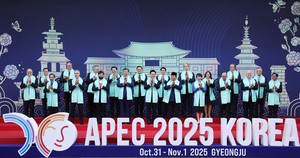
At this week’s APEC summit in Gyeongju, South Korea, the drinks menu has changed almost as often as the guest list.
While the main event, the APEC Economic Leaders’ Meeting, opens Friday, a series of official dinners and bilateral meetings earlier in the week have already revealed Korea’s attention to detail when it comes to drinks.
From nonalcoholic fermented tea to traditional rice wines, the drinks for the summit’s toasts are being selected with attention to culture, protocol, and practical constraints.
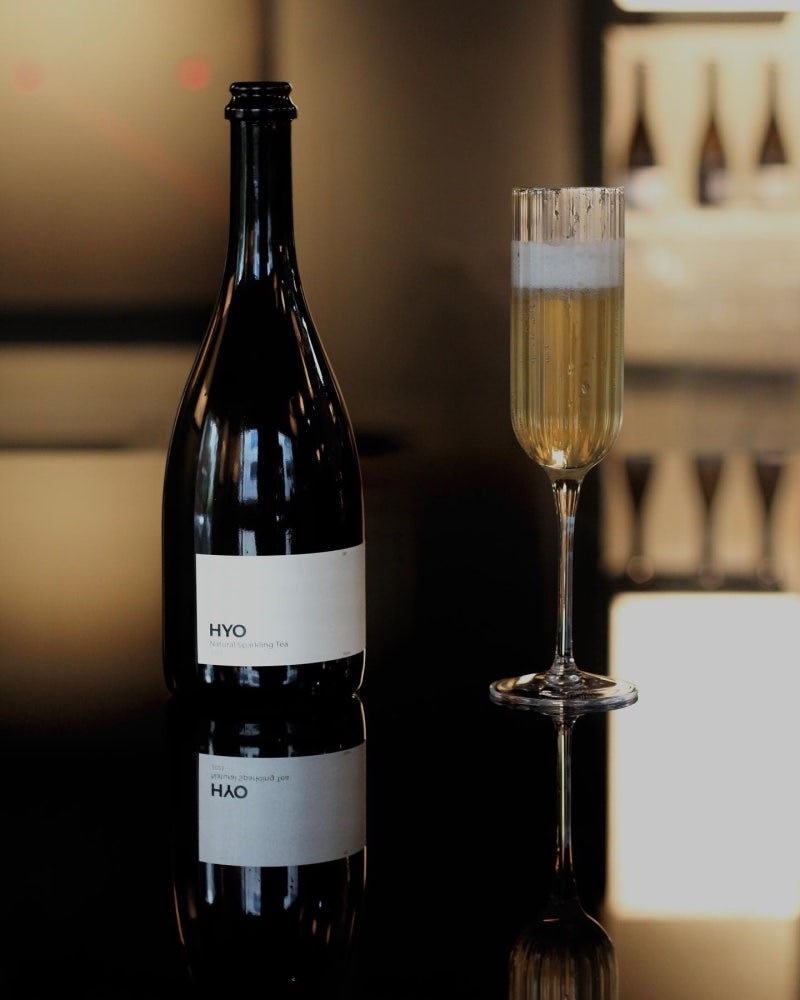
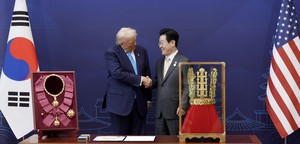
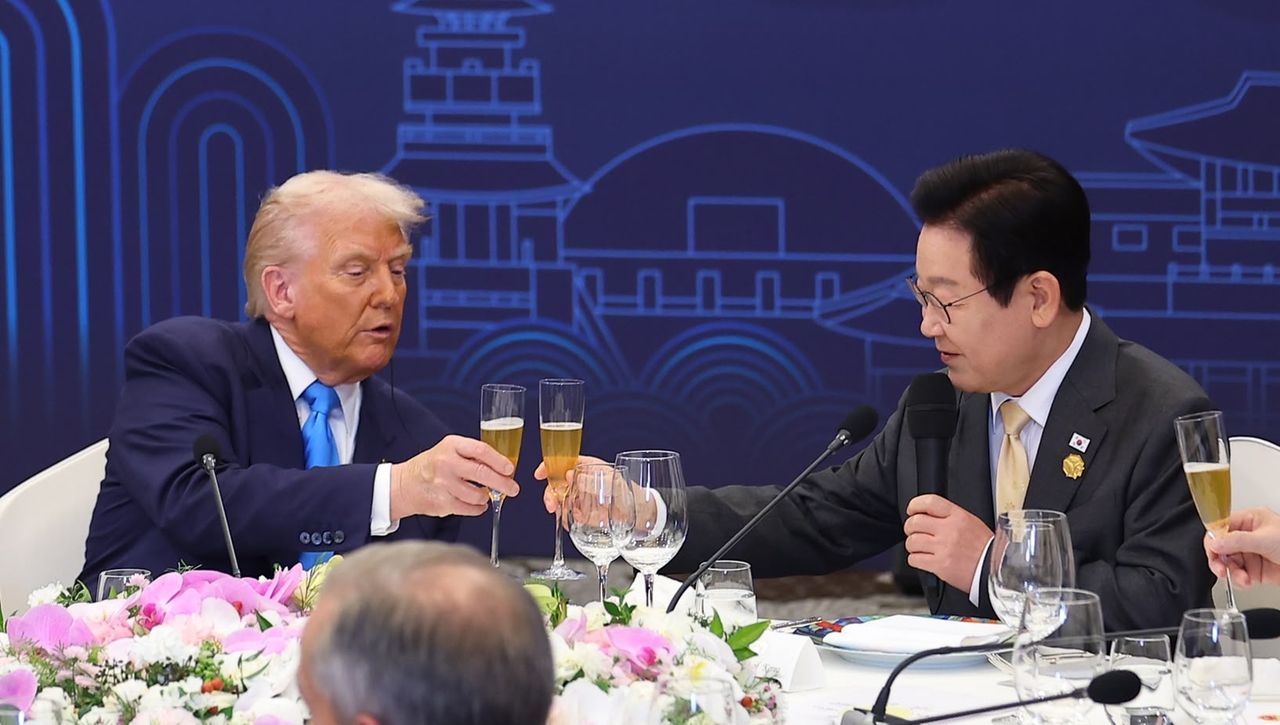
The most high-profile toast so far took place on Wednesday, during a special presidential dinner hosted by President Lee Jae Myung for eight visiting leaders, including US President Donald Trump. Instead of alcohol, the dinner opened with a nonalcoholic fermented tea made by HYO House, a Korean brand specializing in traditional fermentation.
The tea, a sparkling, amber-colored “blue tea,” was served in flutes. Korean officials say the choice was made in consideration of attendees who do not drink alcohol. Trump is known to abstain, and according to a government official, the US delegation even requested a selection of soft drinks in advance.
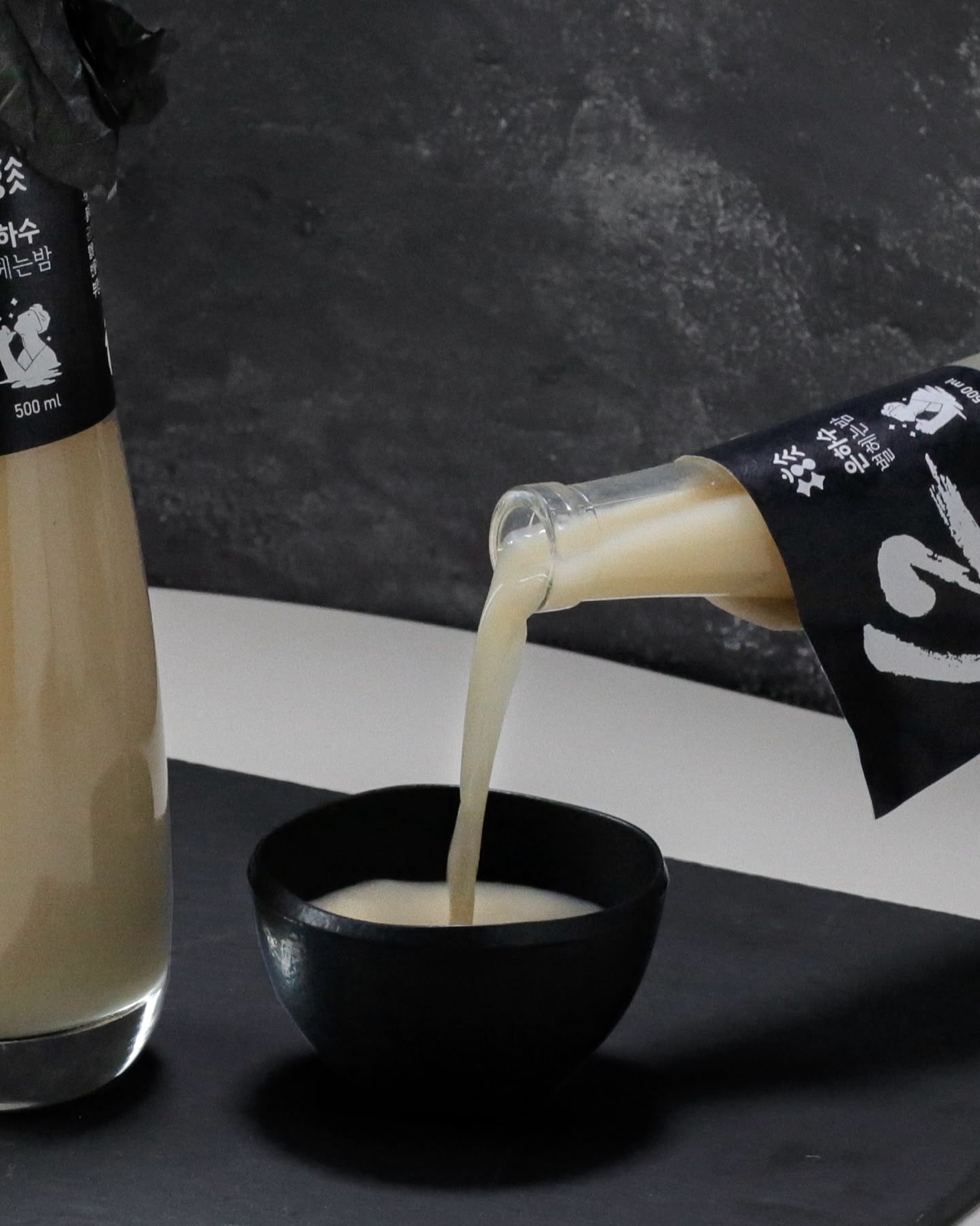
A high-grade makgeolli brewed with local rice and traditional methods was chosen for ministers attending Thursday’s banquet. Developed by Bal-Hyo Gongbang 1991, A Night Counting Stars in the Milky Way is based on gamhyangju, a floral, aromatic style documented in 17th-century Korean texts and rarely seen in modern dining.
Attention is now turning to the main leaders’ banquets scheduled for Friday and Saturday, where the official drink has not yet been announced as of Thursday afternoon.
According to sources familiar with preparations, multiple Korean traditional liquors are under consideration, most of them produced in the region where the summit is taking place.
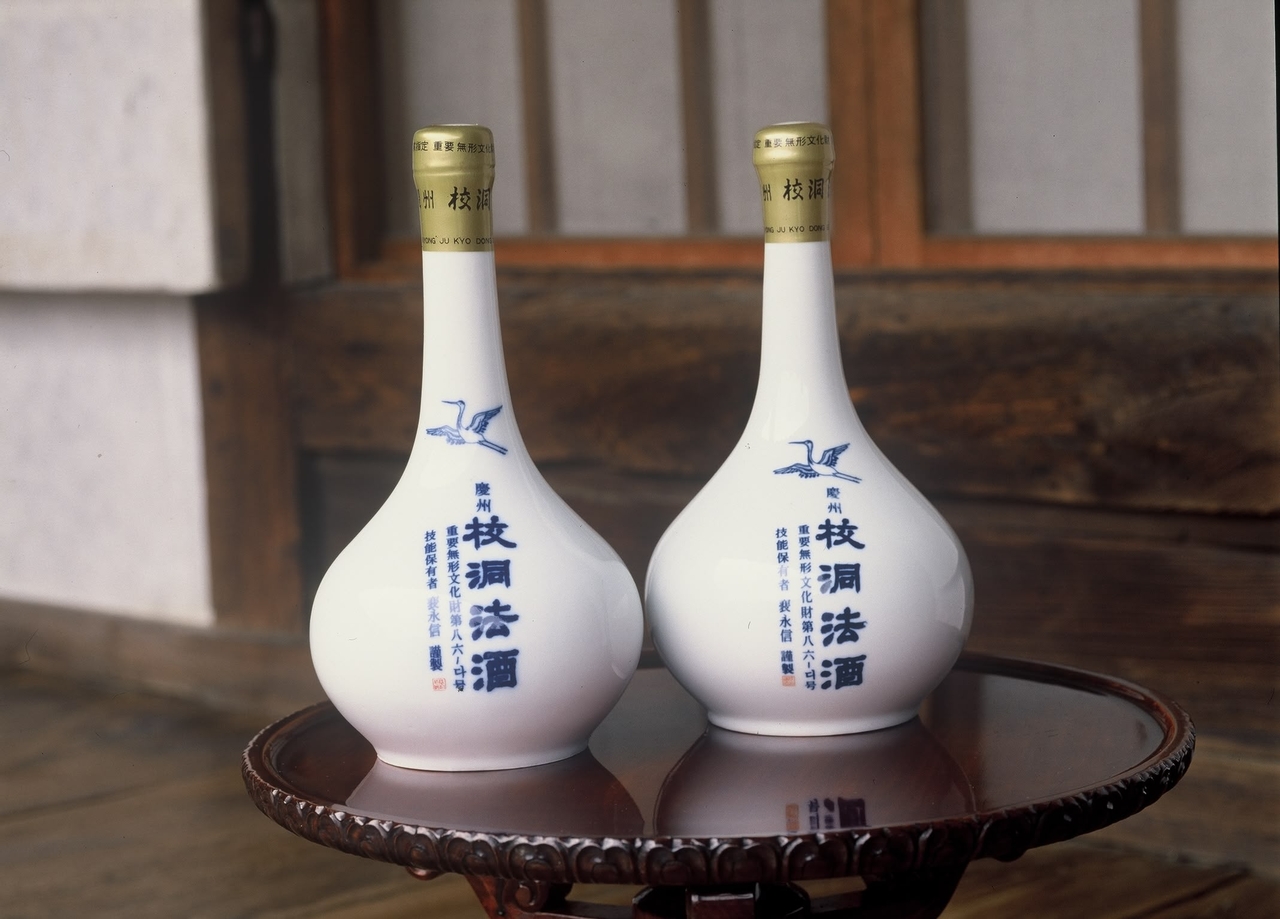
Leading the list is Gyodong Beopju, a clear rice wine that has been brewed in Gyeongju for over 350 years and even designated as National Intangible Cultural Heritage. It’s made using traditional family methods and has been served at major Korean state events.
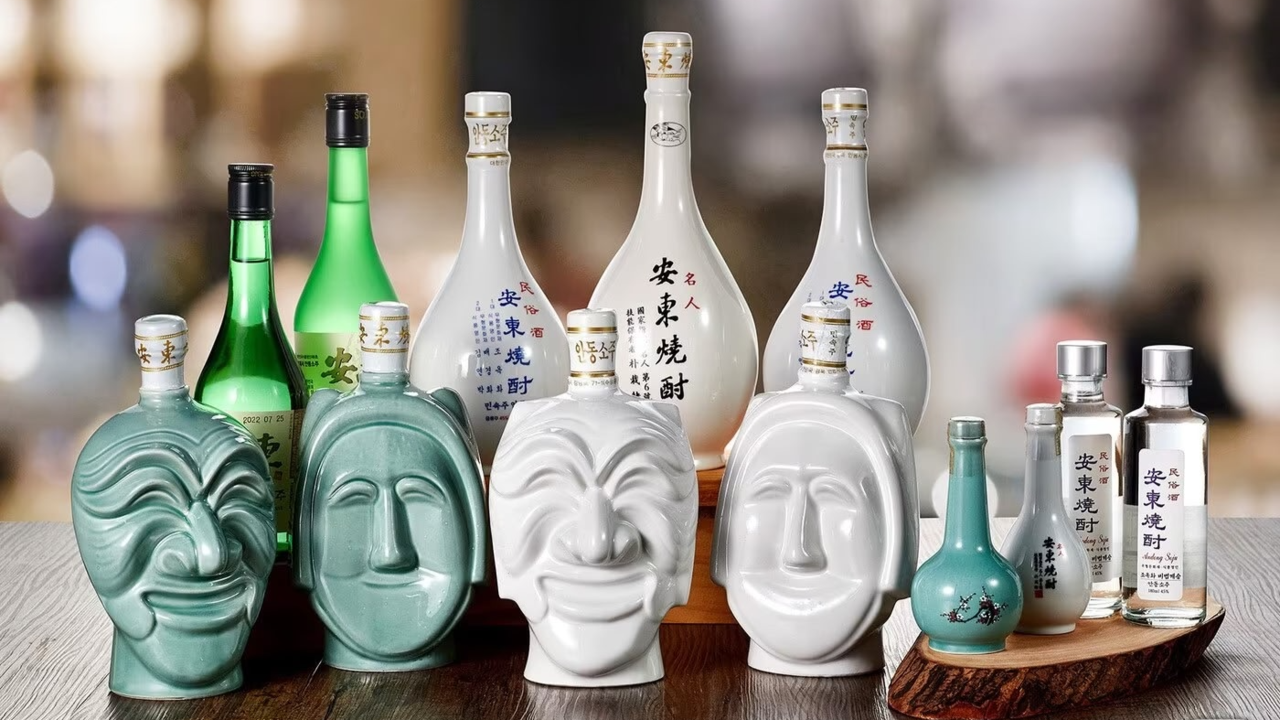
Another strong contender is Andong soju, distilled spirit with roots in ceremonial and aristocratic traditions. Often 40 percent alcohol by volume, its potency may pose logistical challenges at a formal dinner that precedes additional summit sessions.
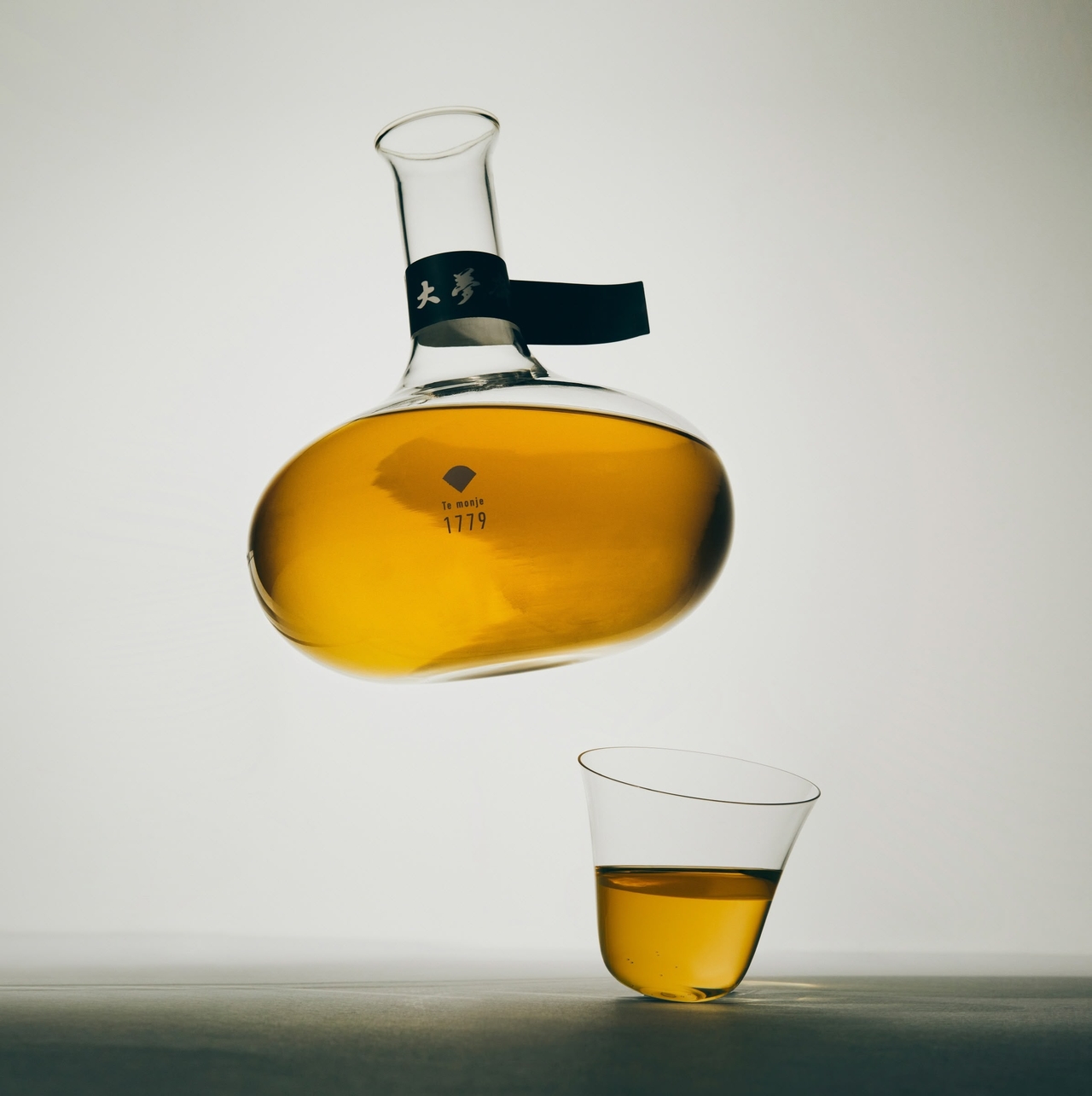
Other possibilities include Daemongjae 1779, a boutique-style traditional wine with modern branding, and Krate Medium Dry, a wild grape wine made in Gimcheon. While Krate lacks the historical significance of the other candidates, it has gained recognition domestically, including a presidential award at the 2023 Korea Liquor Awards.
Officials say the final drink selection will take into account multiple factors, including alcohol content, regional representation, and guests’ dietary restrictions.
The drink served at the leaders’ dinner is expected to be revealed only at the last minute, in keeping with standard diplomatic protocol. Korean officials involved in planning say the aim is to present a drink that reflects regional character without complicating the tightly scheduled proceedings of the summit itself.
There is also speculation that Chinese President Xi Jinping may be served baijiu, a strong Chinese grain spirit, during his bilateral meeting with President Lee on Nov. 1.
mjh@heraldcorp.com