Two-week stay at a 'joriwon' offers a mix of heaven and school with daily massages, nutritious meals, and parenting lessons that some pay millions of won for
Postpartum care centers, where new mothers rest and recover after childbirth, are a uniquely Korean creation found nowhere else in the world.
While some countries have similar facilities, Korea remains the only nation where such care centers, known as sanhujoriwon or just joriwon, have become an integral part of postnatal care.
A 2023 survey of 3,221 new mothers by the Health Ministry found that 8 to 9 out of 10 new mothers used the service that year.
When did it start?
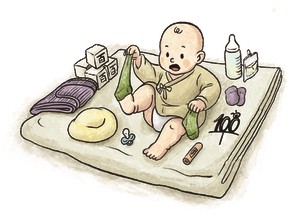
In traditional Korean culture, the initial three weeks following childbirth, or “samchilil,” which literally means three "sevens" of days, were considered a sacred time of recovery believed to shape a woman’s health for the rest of her life.
During this period, mothers were encouraged to stay warm indoors, eat nutrient-rich foods, and avoid exposure to cold air or water, all of which were considered essential for rebuilding physical strength and emotional well-being after childbirth.
Back when large families often lived under one roof or just a few blocks apart, new mothers were cared for not only by their parents and in-laws but also by neighbors who helped look after both mother and child.
This tradition of home-based postpartum care, however, gradually declined with the rise of nuclear families amid rapid urbanization. It was during this period that the business of postpartum care centers emerged, bringing the demand for postpartum recovery support into the marketplace, according to a 2024 report by the Korea Institute of Child Care and Education.
The first postpartum care center in Korea opened in 1996, and their popularity soared the following year as the Asian financial crisis hit, driving more women into the workforce at a time when most men could hardly imagine taking paternity leave, the report said.
Recovery over bonding
Postpartum care centers have long captured the curiosity of international media and online communities, mainly because of their “mother-baby separation” system.
In the US and many parts of Europe, it is common for mothers and newborns to share the same room after birth and have skin-to-skin contact during their hospital stay. They are typically discharged within two to three days, as long as there are no health complications for either the mother or the baby.
At Korean hospitals, in contrast, mothers are usually separated from their newborns after delivery — a practice that begins in hospital neonatal units and continues in the nurseries of postpartum care centers. Newborns are cared for by trained professionals, while mothers focus on rest and rehabilitation.
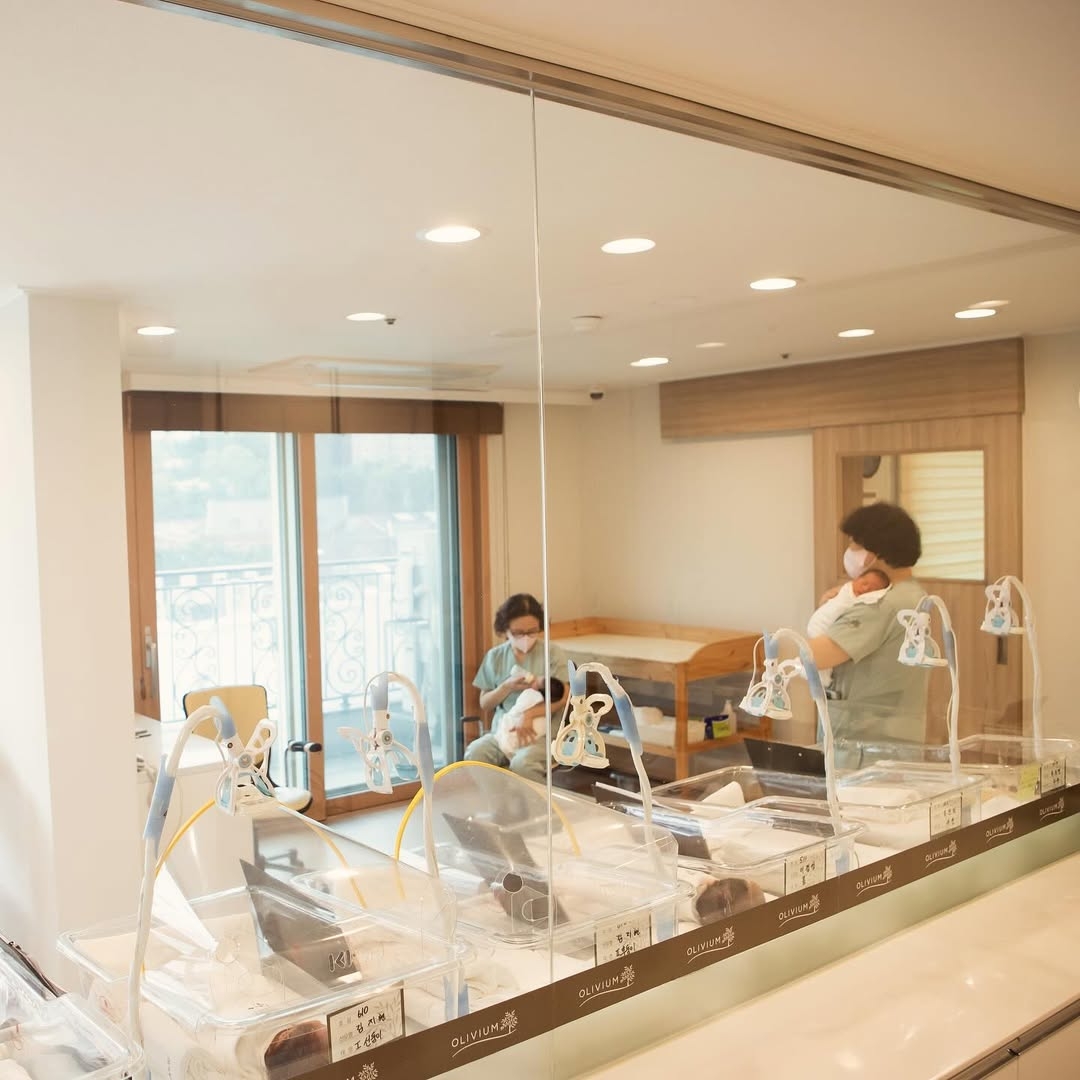
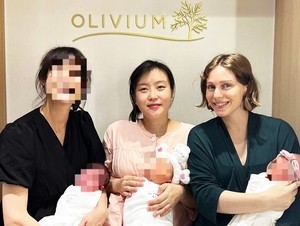
This came as a culture shock to Sandra Meynier Kang, a French costume designer in Seoul, who gave birth to a baby boy in August and spent two weeks after delivery at Olivium, a postpartum care center operated by Seran General Hospital in Jongno-gu, central Seoul.
“I had an emergency C-section, and my baby was taken away for the first 36 hours. The first time I saw him was through a glass window, and I could only hold him 72 hours after birth, wearing gloves and a mask,” Kang told The Korea Herald.
“For a French person, this is extremely shocking because physical contact right after birth is such a vital part of the experience. I think it even triggered a mild postpartum depression,” she said.
At the same time, the postpartum care center was indeed the paradise her Korean friends had described.
From soothing massages and comfortable rooms to nutritionally balanced meals, all the services there played a major role in her recovery.
“The staff took excellent care of me, and it was exactly what my body needed after such an intense delivery,” she said.
The concept of mother-baby separation, long considered standard in Korea’s postpartum care culture, is now being questioned by a growing number of parents who, like Kang, place greater importance on bonding with their newborns than on maternal recovery.
Jessica Cho, 32, who gave birth to a baby last year, told The Korea Herald that allowing mothers and newborns to stay in the same room — a system known as rooming-in — is the best way to make the most of the “golden time” for child care, from breastfeeding to emotional bonding.
“After giving birth, I stayed home with my baby while my husband took care of both me and the baby, and our parents helped with meals and other support. The only downside of rooming-in is that my husband has to do all the housework,” she added.
School for first-time parents
What also impresses foreign mothers at Korea’s postpartum care centers are the well-organized education programs for new parents, which Kang described as being “just like school.”
Lactation consultants guide mothers on proper breastfeeding positions and how to cope with breast pain. In addition, experienced caregivers teach both parents how to hold and bathe their babies safely.
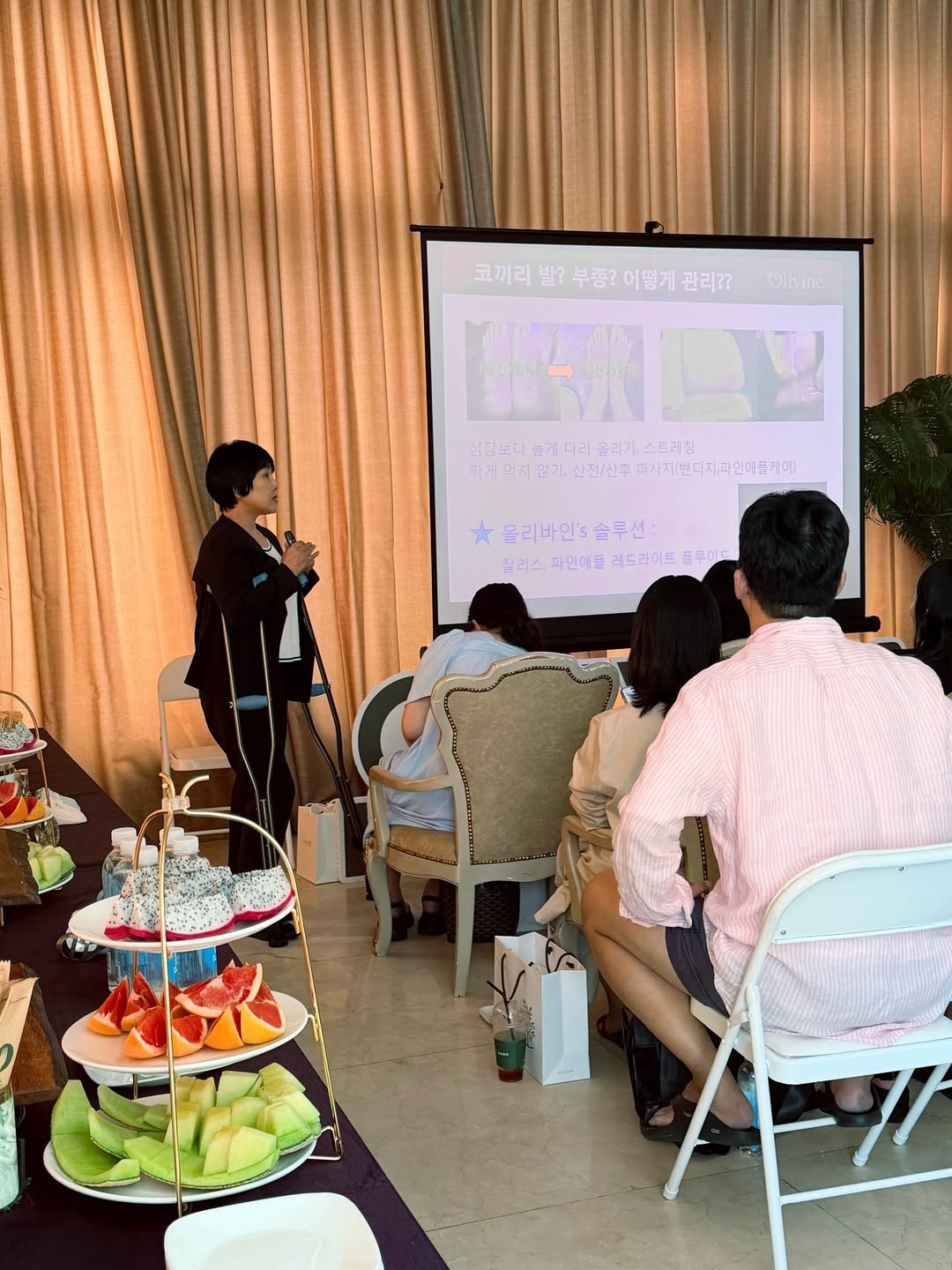
“It is definitely a school for new parents. You feel supported, safe, and surrounded by professionals who genuinely care for you and your baby,” Kang said.
Although the programs separate mothers from their babies, they help new moms feel more confident and better prepared to bond once they return home.
“In the US and Europe, mothers usually start taking care of their babies at home immediately after being discharged from the hospital. But no matter how much you study parenting before giving birth, it’s only natural to struggle in real life,” said Lim Kyung-sook, general director of Olivium.
“Postpartum care centers are where new parents can gain hands-on experience in newborn care, helping them prepare both physically and mentally for the joyful yet demanding journey of caring for a newborn.”
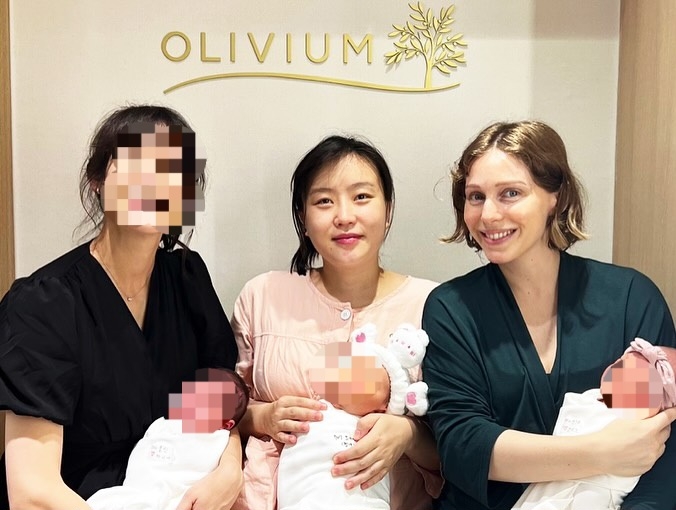
Lim noted that the centers not only provide child care training but also serve as places where parents can build supportive bonds with one another. In Korea, there’s even a saying that “friends you meet at a postpartum care center stay with you for life,” reflecting the strong sense of community that often forms there.
Cho Kyu-youn, 35, who joined the postpartum care center the same month as Kang, said that motherhood brought them together despite their different races.
“My French husband’s acquaintance, Park, and another French mother happened to give birth around the same time and stayed at the same center. We bonded quickly as mothers and supported each other during our short stay. We’re planning to hold a joint birthday party for our babies when they turn one next year," she said.
“I don’t think a postpartum care center is something every mother necessarily needs. But for me personally, the time I spent there helped me mentally prepare myself for life as a mother.”
Booming luxury business
Once simple facilities for recovery, postpartum care centers in Korea have transformed into luxury retreats, offering five-star hotel–style comfort and personalized care for new mothers.
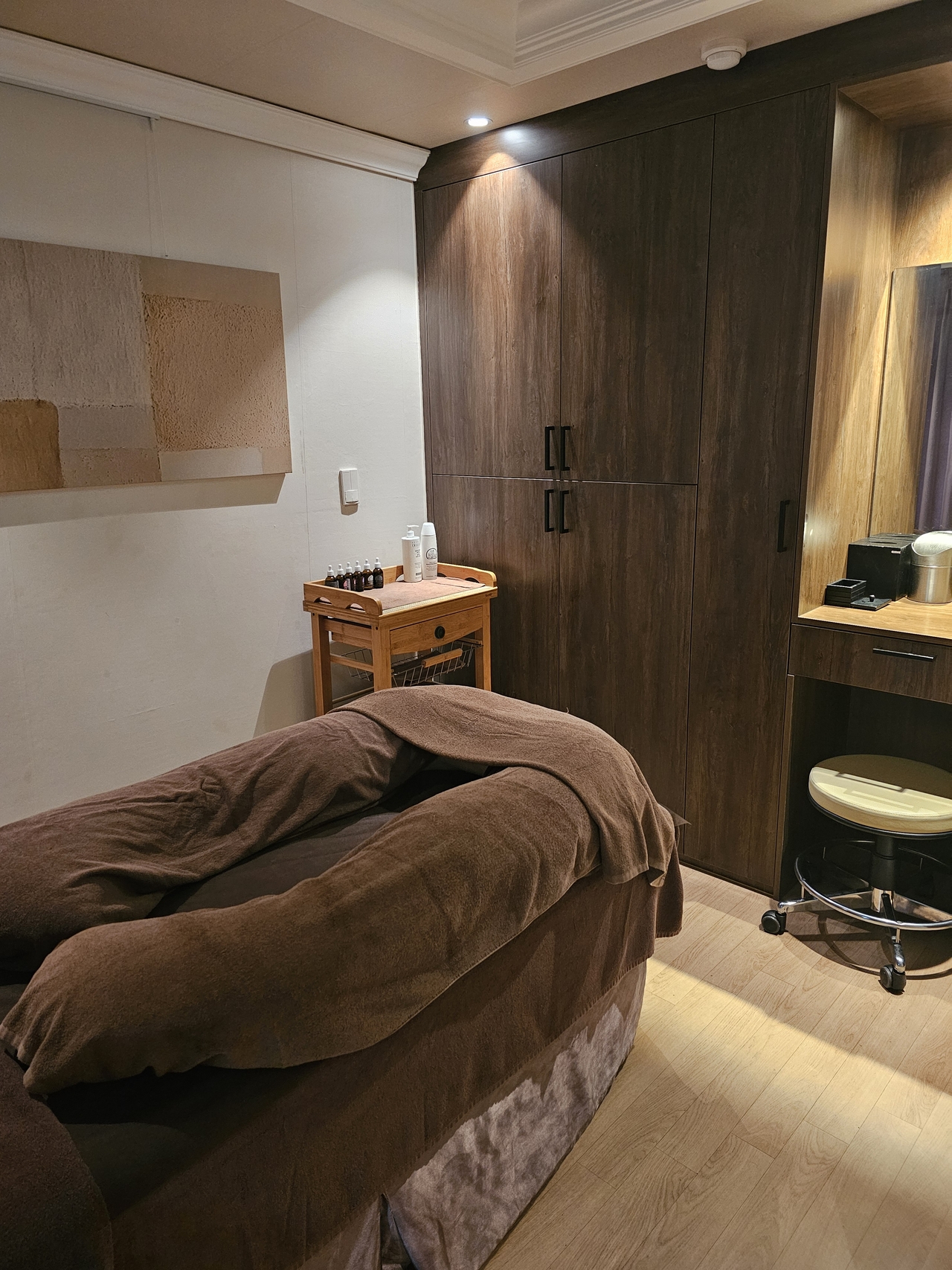
When the Korea Herald visited Olivium, where Kang had stayed this summer, the center housed multiple massage rooms with soft beds, air filled with the scent of aromatherapy oils, gentle classical music, and private washbasins, all of which rivaled those of luxury spas.
Meals were delivered to each room with customized menus featuring Korean, Western and vegetarian dishes tailored to individual preferences.
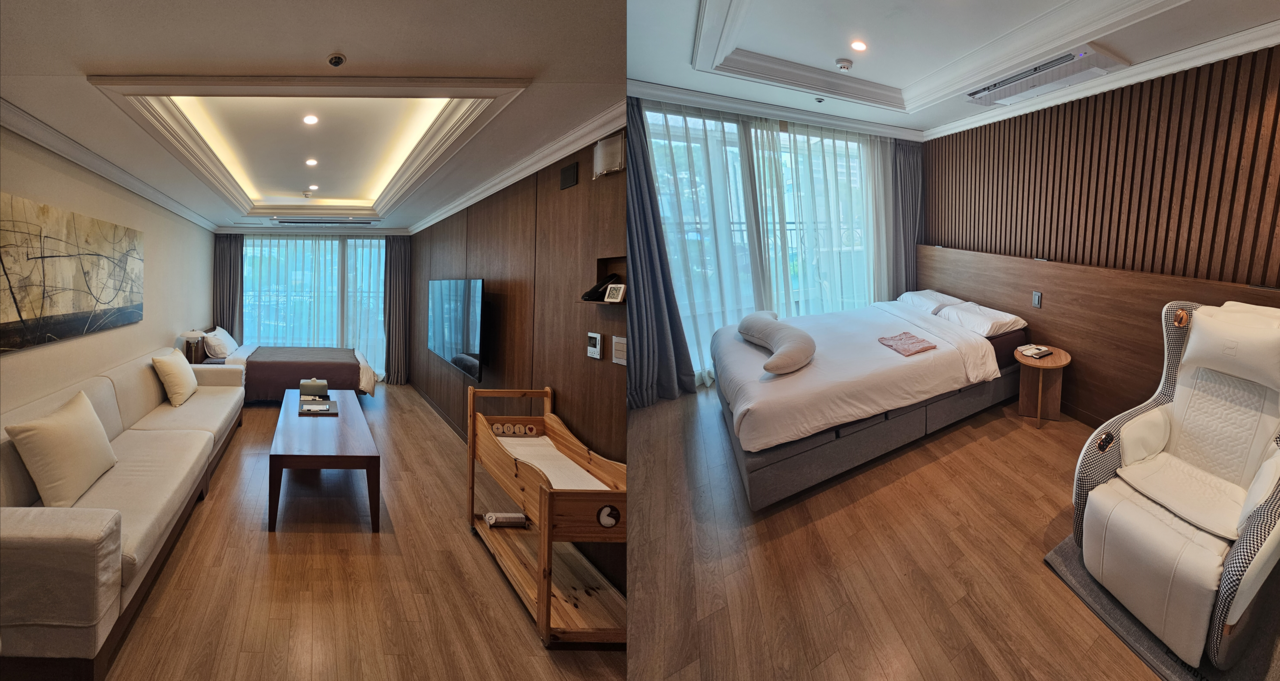
The center, like a hotel, had rooms divided into three tiers from "royal" and "suite" to "presidential suite," with two-week rates of 6.9 million won ($4,790), 10.5 million won, and 25 million won, respectively, officials said.
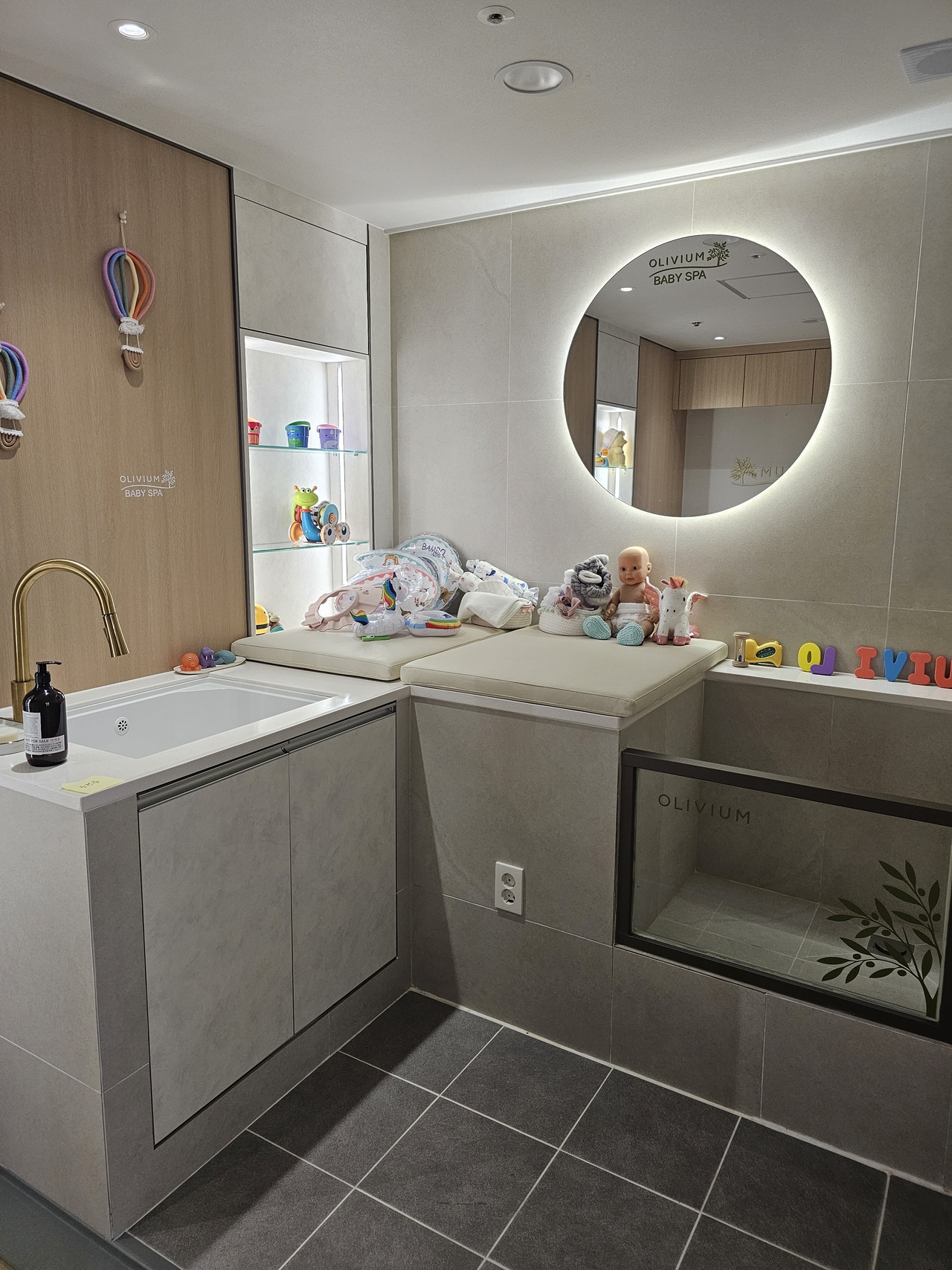
Parents who stay in a presidential suite room with a separate living area and bedroom can enjoy one-on-one newborn care in a private nursery instead of the shared one, as well as an exclusive baby spa with premium baby amenities.
Olivium is one of a growing number of high-end postpartum care centers across Seoul.
As of June, the most expensive postpartum care center in Seoul’s Gangnam-gu charged 40.2 million won ($27,900) for a two-week stay in a deluxe suite, while the same room type in Gunsan, North Jeolla Province, cost just 1.54 million won over the same period, according to Health Ministry data.
On average, new mothers paid 3.66 million won for a two-week stay at postpartum care centers nationwide — a 33.6 percent increase from 2.74 million won in 2020.
For some first-time mothers who see postpartum care as part of medical treatment, spending millions of won for just two weeks of recovery is far from a splurge.
“People often think postpartum care centers are just places to eat well and rest, but at premium centers affiliated with university hospitals, doctors make regular visits for checkups, not only for the baby but also for the mother. This is crucial in case of emergencies,” said Bu Da-hye, 37, who gave birth to her son last year.
“Especially for women who became pregnant at a slightly older age, or for those who had health complications during pregnancy and childbirth, it’s an investment in health. When it’s for the baby, it never feels like too much,” she said.