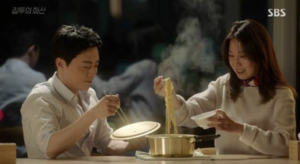
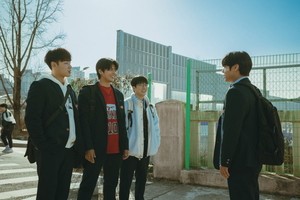
From romance to generational divide, a single word can reveal hierarchy or intimacy -- understanding these titles is key to reading a scene’s subtext
If you’re a K-drama fan, chances are you’ve come across the world of Korean honorifics -- those small yet powerful words that can define entire relationships.
In a language built around relationships, these titles, from "oppa" and "eonni" to "seonbae" and "hubae," serve as emotional cues that drive storytelling and shape character dynamics in ways that English subtitles cannot replicate.
Here, we explore some of the most commonly used terms that shape the subtle subtext of K-drama storytelling.
'Oppa'
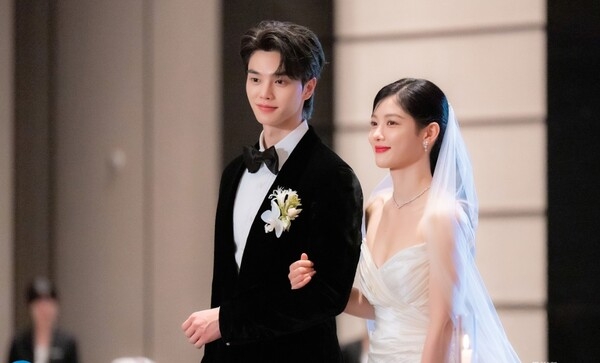
Take "oppa," perhaps one of the most well-known terms in all of Korean pop culture. Literally meaning “older brother,” it’s used by women to address older men -- from actual siblings to boyfriends and close male friends. In dramas, when a woman suddenly starts calling a man oppa instead of his name, it usually signals that the emotional stakes have changed. It’s shorthand for romantic tension. Think "My Demon" or "Reply 1997" -- that single word can alter the emotional flow of the story.
'Seonbae'
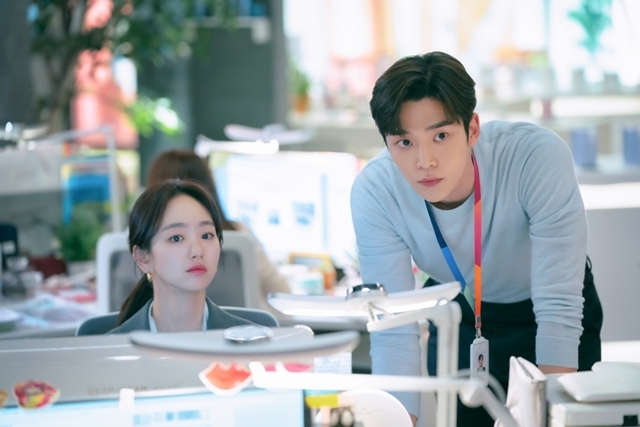
Then there’s "seonbae," a term used for someone senior at school or work. It carries shades of respect -- and at times, a trace of intimacy, especially in workplace romances like “She Would Never Know.” Translating it as “senior” misses the word’s subtle warmth and complexity: It conveys not only hierarchy, but also mentorship and closeness. When a character begins to call someone "seonbae," it may mark a softening of old boundaries -- or often, emotional intimacy -- in K-drama scenes.
'Ajeossi,' 'Ajumma'
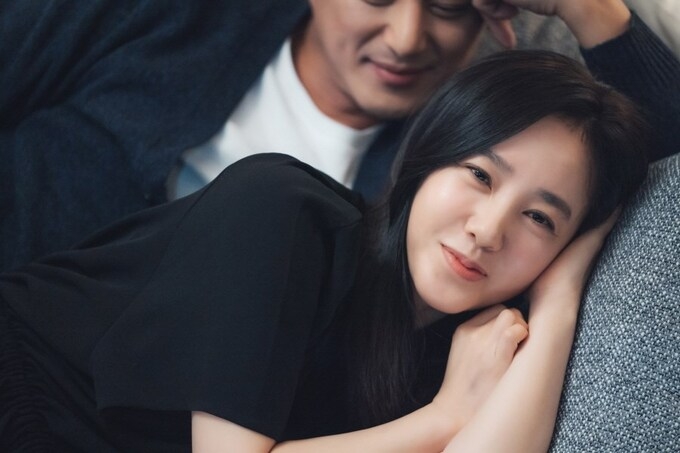
Meanwhile, the terms "ajeossi" (middle-aged man) and "ajumma" (middle-aged woman) offer a window into Korea’s generational divides. "Ajeossi" can carry a range of tones: Depending on context, it may convey respect or even affection, but it can just as easily feel mildly dismissive.
"Ajumma" may be more loaded. While the term can be used affectionately to address a middle-aged woman, depending on the context, it can also sting, invoking the cultural weight of aging.
An example is the series “Love (ft. Marriage & Divorce),” where three middle-aged women call themselves "ajumma" -- bringing social stigma and self-deprecating humor into the dialogue. Lines like “So what if people call me 'ajumma' at this age?” and “I’m still a woman, after all,” illustrate the term’s dual nature.
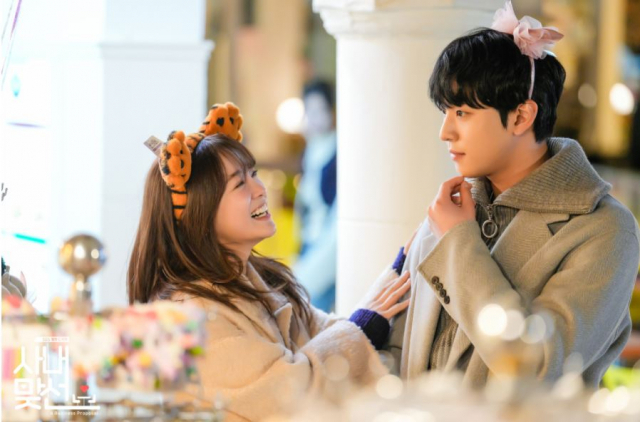
These terms, along with "nuna," "hyeong" and "eonni," do more than label people -- they script relationships. When a character in "Business Proposal" drops “President Kang” for “Tae-moo ssi,” or when a student in "Twenty-Five Twenty-One" stops saying "seonbae" and starts calling someone by their name, Korean audiences feel the shift instantly. It’s the drama’s emotional subtext playing out through language.
To non-Korean-speaking viewers, these nuances may seem arcane, but for those attuned to the language, each title carries weight. Grasping them is key to catching the subtext in K-dramas, where a single word can reveal how much one person means to another.
"K-Drama Survival Guide" series is your passport to decoding the language quirks and social cues of K-dramas. Each installment unpacks the nuances often lost in translation, offering a deeper look into the subcontexts of K-drama. -- Ed.