GTS variants of Cayenne, Taycan embody Porsche’s dual expression of sporty DNA
Since debuting its first GTS model, the 904 Carrera GTS, Porsche has expanded the badge across nearly every model line — from sports cars and sedans to SUVs — establishing GTS as one of the brand’s most enduring symbols of performance.
Among them, the Cayenne GTS and Taycan GTS embody two distinct expressions of Porsche’s uncompromising performance DNA: one rooted in the visceral power of combustion, the other in the electrified precision of the future.
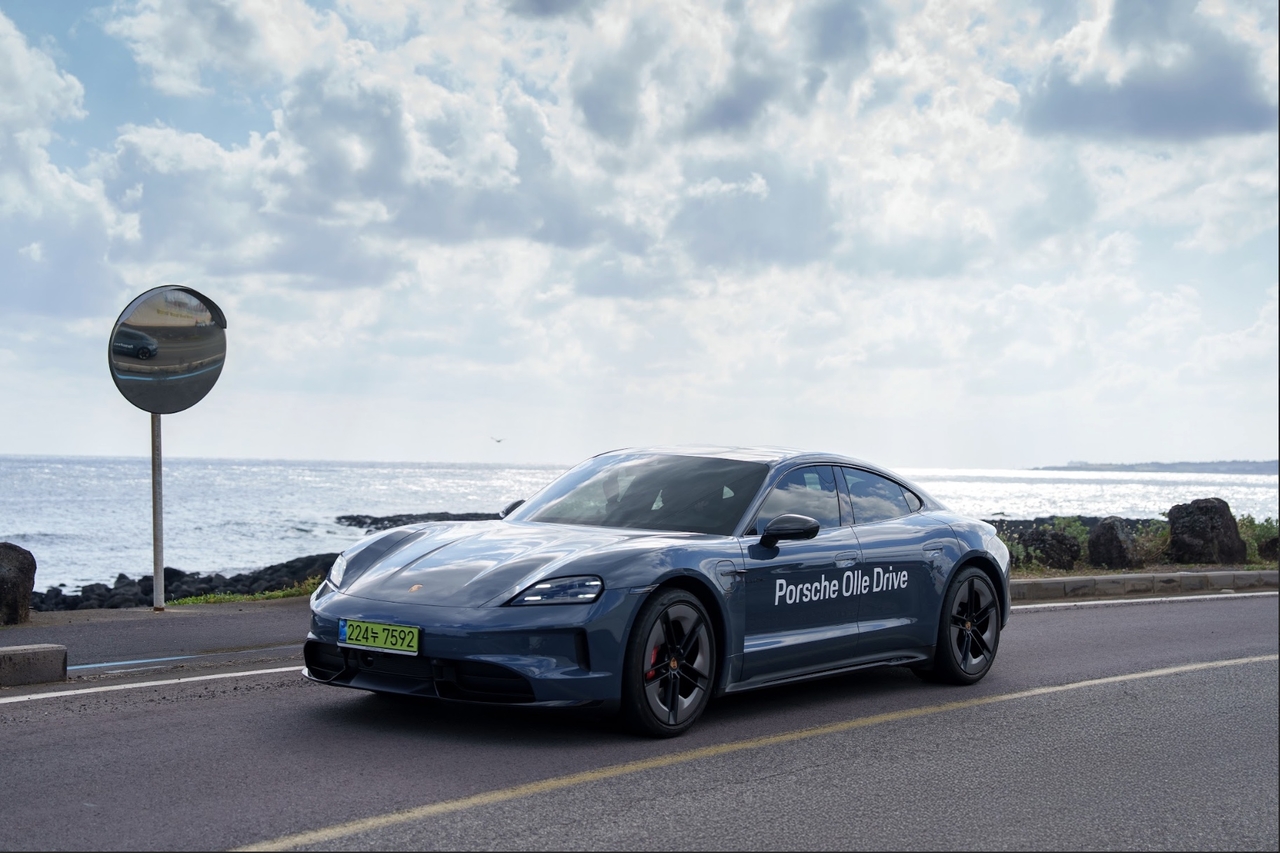
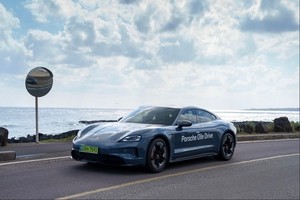
As part of Porsche Korea’s “Porsche Olle Drive” program — which offered 12 Porsche models for media test drives — The Korea Herald recently had the opportunity to experience the Cayenne GTS and Taycan GTS on a 176-kilometer route winding through Jeju Island’s oreum, or small volcanic hills, and scenic coastal roads.
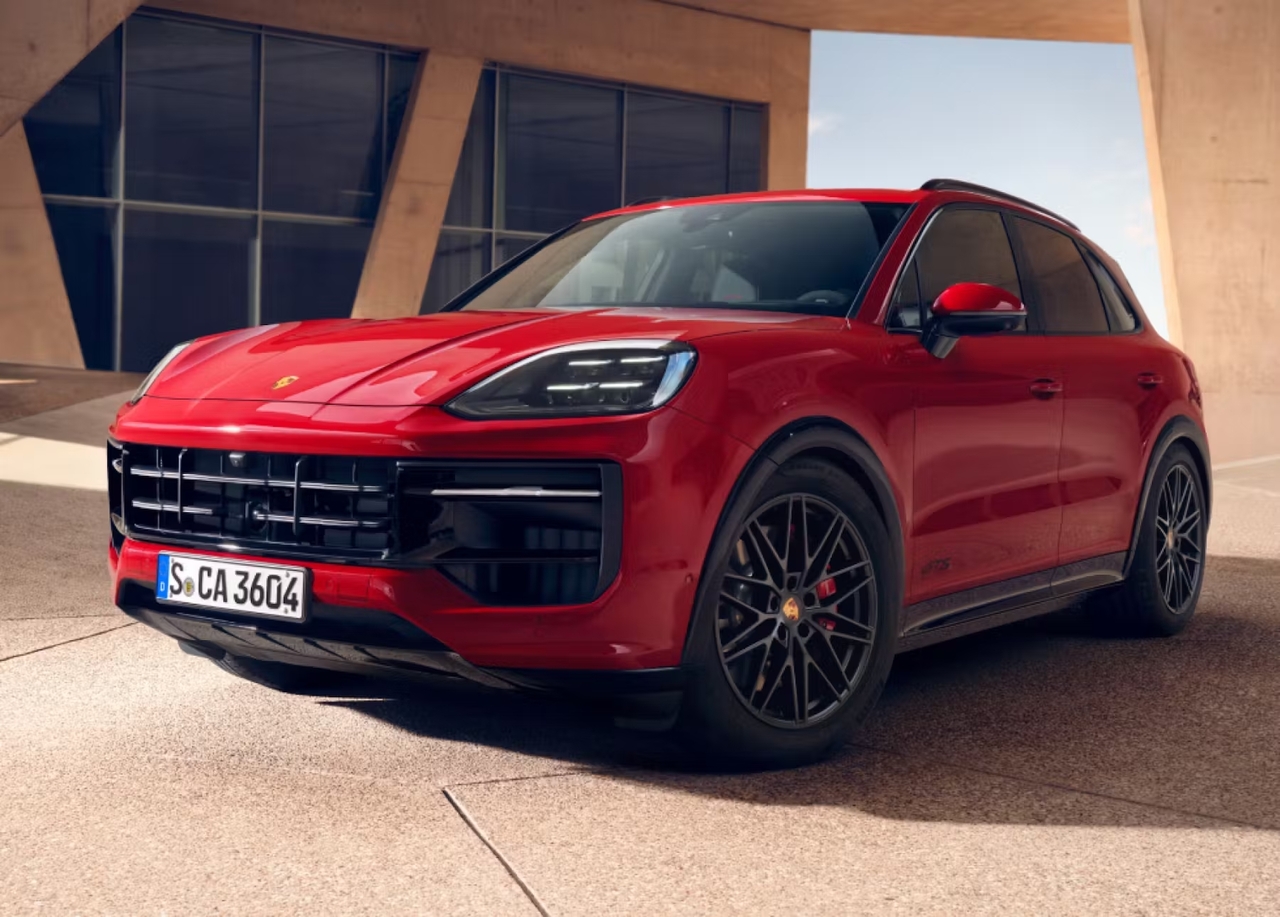
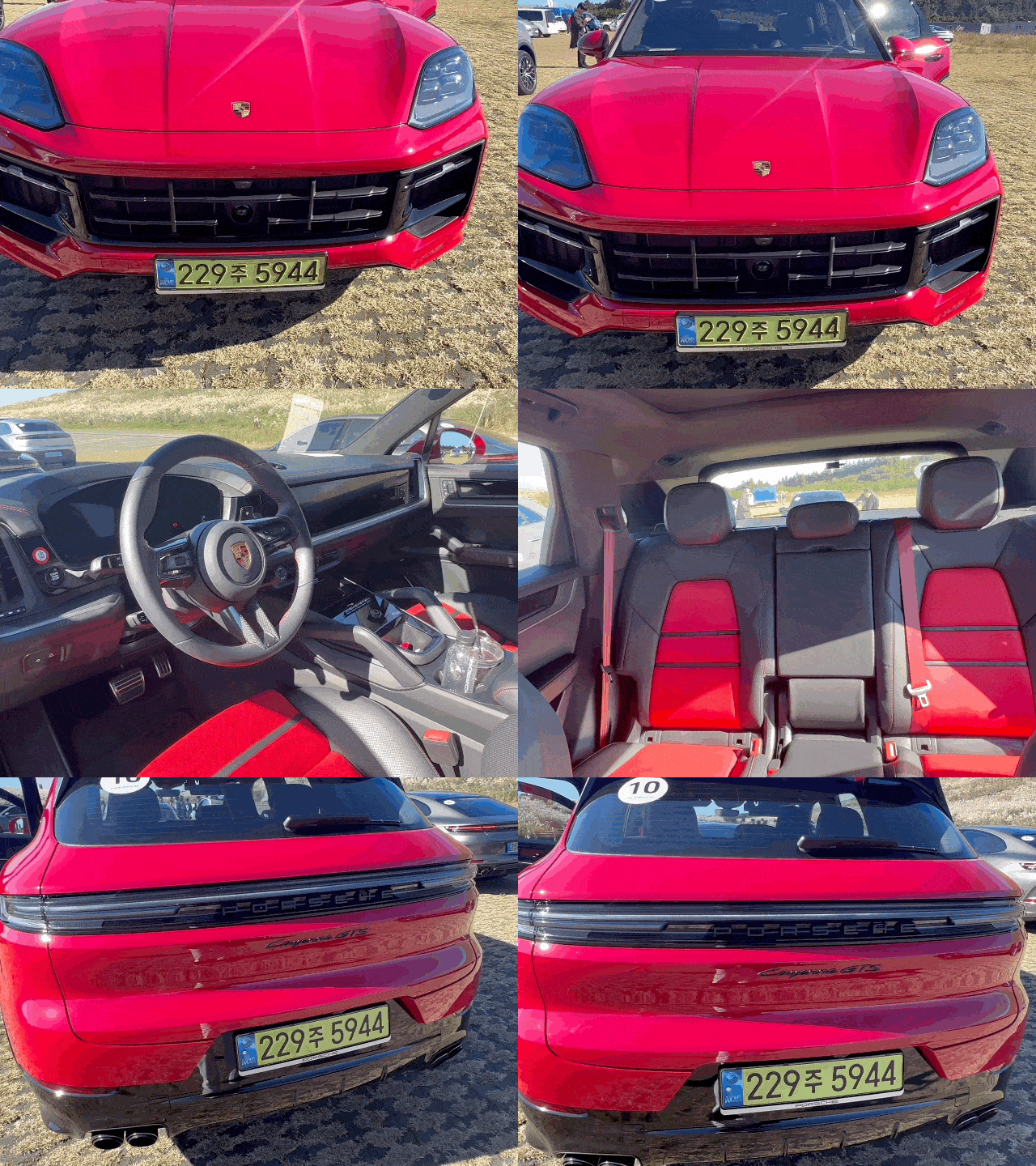
Powered by a 4.0-liter twin-turbo V8 producing around 500 horsepower, the 2025 Cayenne GTS dispels the notion that a sport utility vehicle cannot offer the driving thrill of a sports car. Its upgraded eight-speed Tiptronic S transmission offers quicker response and shorter shift times in Sport and Sport Plus modes, enhancing both agility and stability — particularly on winding uphill roads.
A defining feature of the new GTS is its specially tuned chassis, engineered for sharper handling and greater agility. The suspension sits 10 millimeters lower compared to the standard Cayenne, while Porsche Torque Vectoring Plus and the Porsche Traction Management system work together to deliver exceptional on-road performance and remarkable handling precision for an SUV of its size.
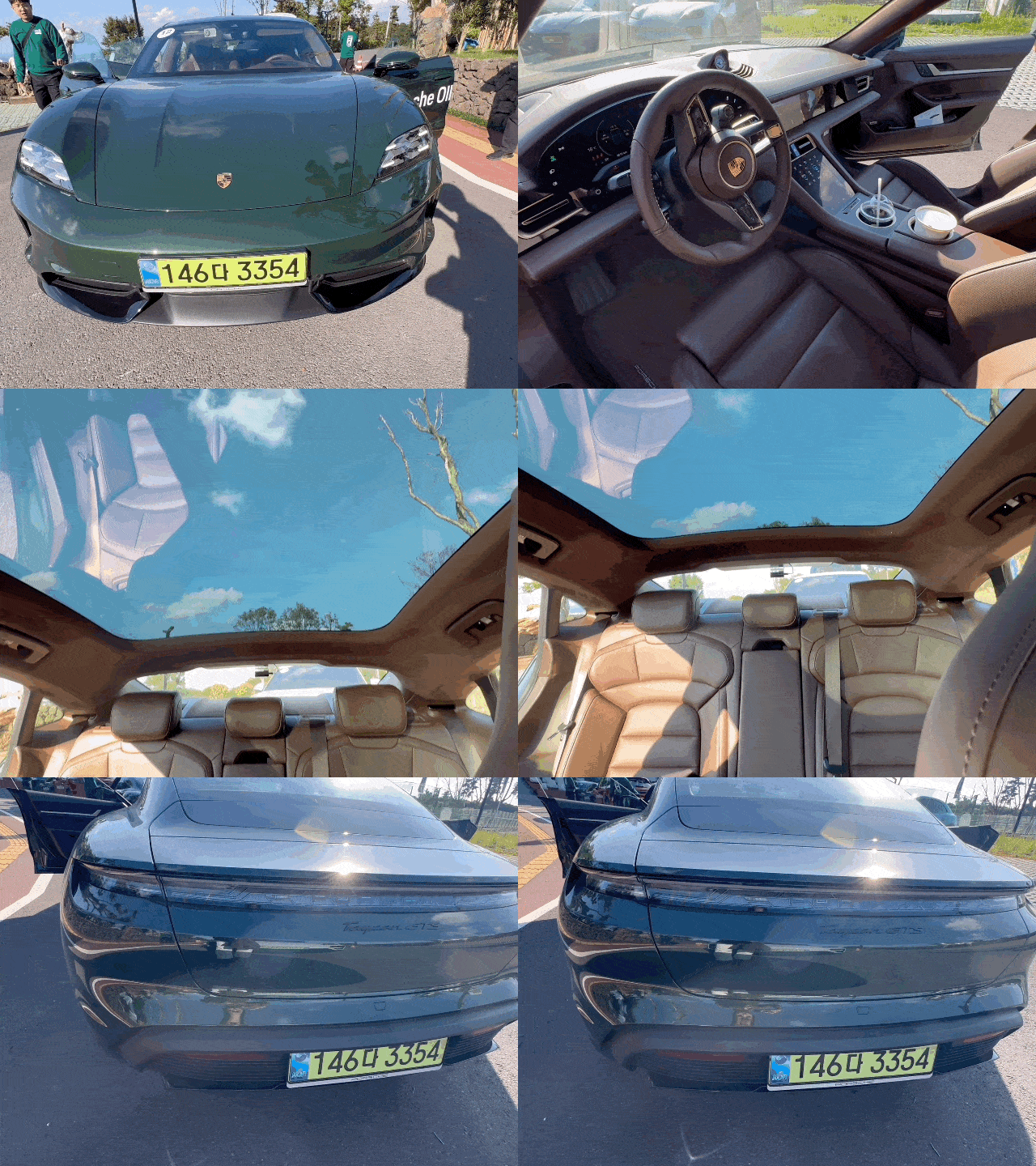
While the Cayenne GTS feels muscular and visceral with its heavier steering and raw power, the new 2025 Taycan GTS gives sharper, more balanced precision. The electric sports sedan’s Porsche E-Performance powertrain blends the brand’s signature sports-car dynamics with electric innovation, generating up to 515 kilowatts — equivalent to around 590 horsepower — of overboost power with Launch Control for quick acceleration.
Matching its zero-to-100 kilometers per hour sprint in just 3.7 seconds, the Taycan GTS surges forward in near silence, delivering instant, linear acceleration along Jeju Island’s winding coastal roads and open straights. Its GTS-specific chassis — with a lower center of gravity and rear-axle steering — sharpens handling and stability, making it noticeably quicker than the Cayenne GTS in both straight-line acceleration and cornering response.
In Sport Mode, the Taycan GTS emits a deep, electrified growl that builds with speed — an engineered soundscape that embodies the spirit of a classic Porsche while embracing the brand’s electric future.
Highlighting that Korea ranks as Porsche’s third-largest market for electric vehicles, a Porsche Korea official noted, “Including hybrids, electric models account for about 60 percent of our sales in Korea, with fully electric vehicles making up 31 percent. With the upcoming debut of the battery-powered Cayenne, we expect to further strengthen our leadership in the EV segment."
Celebrating its 12th year in the Korean market, Porsche has sold 8,345 vehicles as of October. Despite US tariff headwinds weighing on global sales, the brand aims to maintain stable performance in Korea through strategic adjustments. As part of efforts to enhance customer engagement, Porsche Korea is holding the Porsche Olle Drive program for clients on Jeju Island from Nov. 3 to 9, and plans to open its first service center on the island next year.
The Cayenne GTS and Taycan GTS are priced from 199.4 million won ($139,600) and 179.9 million won, respectively.
hyejin2@heraldcorp.com

![[Test Drive] SsangYong’s New Rexton Sports Khan proves pickups can go smart, too](https://wimg.heraldcorp.com/content/default/2022/01/21/20220121000670_0.jpg?type=h&h=240)