A 24-fold spike in fake K-beauty imports has left Korean brands facing over 22 billion won in damages
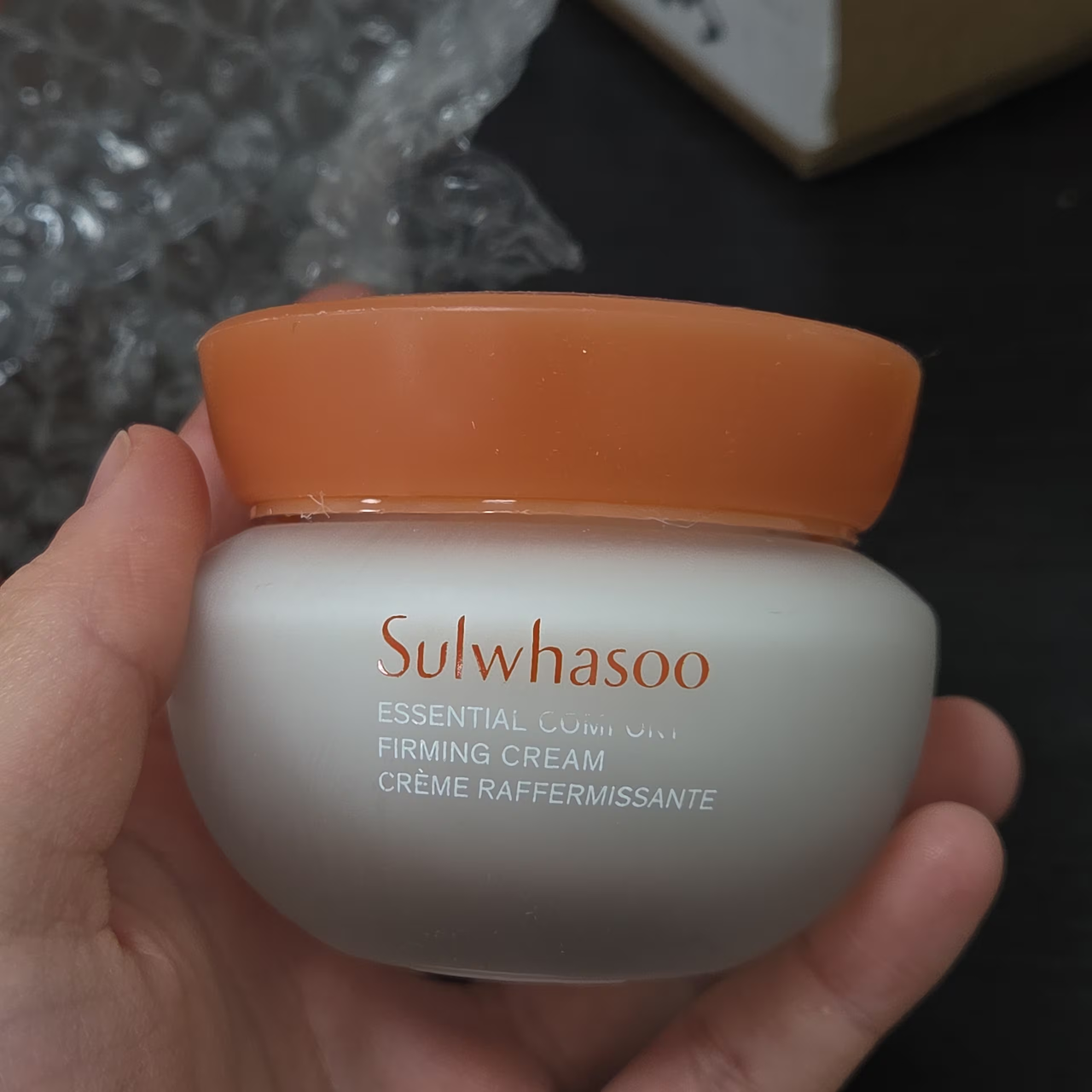
A wave of counterfeit Korean beauty products is sweeping across global markets, with knockoffs so convincing that many consumers don’t know they’ve been duped until it’s too late.
This year alone, losses tied to intellectual property theft targeting South Korean beauty brands have skyrocketed to 22 billion won ($15.1 million), according to data from the Korea Customs Service released by lawmaker Cha Gyu-geun's office.
That marks a staggering 24-fold increase from last year.
The vast majority of counterfeits were traced back to China, which accounted for 99 percent of all detected shipments.
Authorities say many of the fake products entered Korea by way of the US. Of all counterfits seized between January and September, 81 percent (17.8 billion won worth) followed this roundabout route.
For consumers, the danger isn’t just economic. Imitations often look nearly identical to authentic items, but what’s inside them is anybody’s guess. A fake version of APR’s popular collagen mask, for instance, changed just one letter in the product name — “collagen” became “gollagen” — while copying the packaging down to minutest of details.
APR, a leading Korean beauty-tech firm, warned in a statement that counterfeit items “cannot be verified for their ingredients,” posing potential health risks.
Counterfeiters are no longer limiting their targets to high-end labels. Amorepacific’s luxury brand Sulwhasoo topped last year’s list of most-faked Korean cosmetics, but 2025 has seen budget-friendly brands such as Manyo take the lead. According to customs data submitted to Cha’s office, Manyo counterfeits were the most frequently seized this year (952 units), followed by Sulwhasoo (812).
In late September, Chinese police in Foshan raided a warehouse producing fakes of five trending Korean skincare brands, including Beauty of Joseon and SKIN1004. Authorities confiscated 56,000 counterfeit items, valued at 1 billion won by genuine retail prices. The bust was the largest of its kind involving Korean brands in China, according to the Korea Intellectual Property Protection Agency.
Industry experts say emerging brands, which often lack the resources to monitor international markets, are particularly vulnerable. In many cases, companies only discover the problem after customers report suspicious products abroad.
Korea’s Incheon Customs recently arrested an online seller in September who illegally imported more than 7,000 Chinese-made knockoffs disguised as Korean brands and sold them domestically for less than half the normal price. Consumer complaints citing skin irritation and suspicious packaging helped trigger the investigation.
In response, companies like Amorepacific say they are expanding cooperation with customs authorities overseas and pursuing legal action. Korea’s government also plans to establish a new public-private task force next year focused on protecting K-beauty trademarks and improving counterfeit detection at borders.
mjh@heraldcorp.com