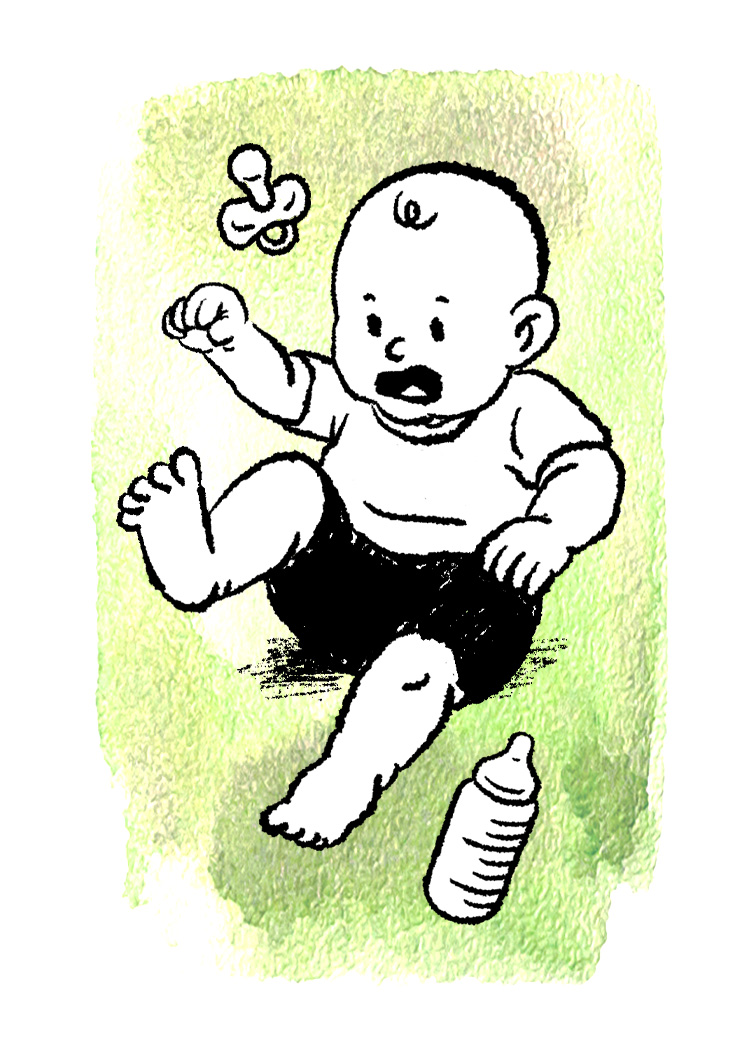
You had a fun night out. But the next morning, the hangover hits hard. Your sister orders delivery, but after all that drinking, you can barely take a bite. Soon, leftovers, crumpled napkins and takeout containers start to pile up.
And like any older sister would, she tells you to clean it up. How would you feel?
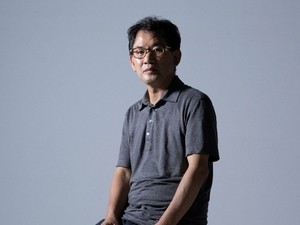
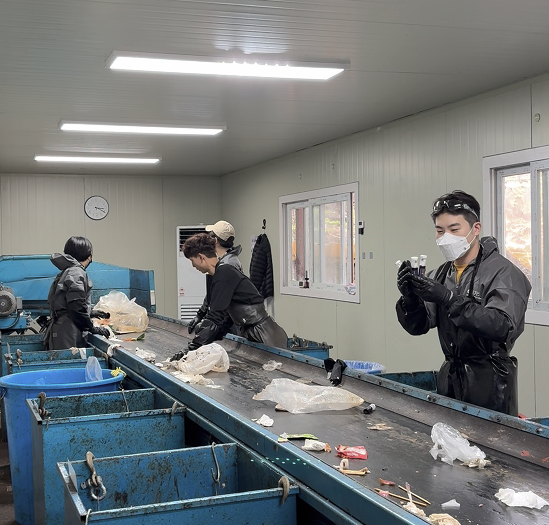
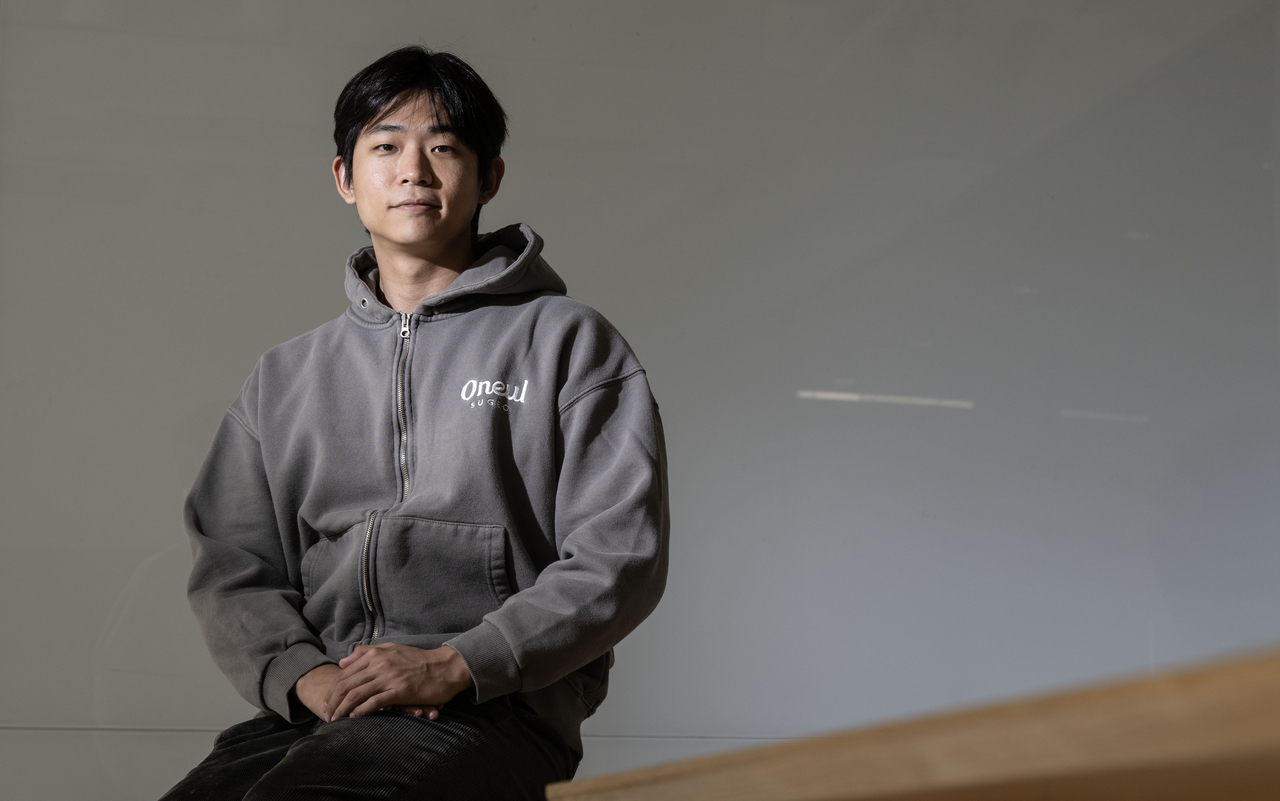
That was four years ago for Seo Ho-seong, founder of Uglee Lab, the startup behind Oneul Sugeo, a service that picks up your trash from your doorstep and takes care of Korea’s notoriously complicated recycling rules.
Like a good younger brother, he did as he was told — though he couldn’t help wishing someone else could do it for him.
“I remember thinking, ‘Do I really have to do this? Even in the army, we don’t do chores like this,’” Seo recalled.
At the time, Seo was serving as a KATUSA, a branch of Korean soldiers assigned to the Eighth US Army as part of the joint defense against North Korea.
Life there was simple, at least when it came to trash.
“There’s no sorting system,” he said. “You just throw everything into a black bag, leave it by the dumpster, and it gets picked up.”
But back home on leave, Korea’s strict recycling rules suddenly felt like a whole new kind of challenge. That’s when the idea for his business began to take shape.
Turning an idea into a business
Turning that idea into a real business, however, was anything but easy.
When asked if he would start it all over again, Seo didn’t hesitate.
“No,” he said with a small smile. “It was really hard at the beginning. And it still is.”
He first tested the idea by putting up flyers around his officetel building, which had about 70 households, offering to pick up and sort trash free of charge.
Only one person signed up.
That made him curious. When he asked around why others were hesitant, the responses weren’t what he expected.
“People said, ‘Why would someone take trash for free? That’s weird,’” Seo said. “Some even thought it was a scam or a fetish.”
Looking back, he admitted the flyer didn’t exactly inspire confidence.
“It was just an A4 printout with text,” he said. “It looked a little sketchy.”
Still, that one customer gave him hope.
So he made changes. He redesigned the flyer, built a simple website, and started charging a small fee to make the service look more legitimate.
For two weeks, he and two friends — both fellow KATUSAs — went door to door delivering the new flyers.
Their efforts paid off. The second time, 13 households signed up. Soon, nearly 60 residents in the building were using Oneul Sugeo, according to Seo.
A breakthrough came when one of those flyers caught the eye of a former HR worker at Kakao Ventures who lived in a nearby building. He posted a photo of the flyer on Facebook with a caption that read something like:
“This is such a lean, well-thought-out service. With Korea’s population density, this could actually work if they figure out operations. I wonder who made this.”
The post went viral in the venture capital community.
Then, a mutual friend tagged Seo in the comments, and soon his inbox started lighting up.
“That night alone, I got messages from more than 10 venture capital firms,” he said.
Seven months later, in August 2021, Seo officially registered his company and received his first investment, marking the birth of Uglee Lab and its mission to make recycling a little less ugly.
The unexpected impact
According to Seo, many of Oneul Sugeo’s users live alone. While many praised the service for its convenience, some of the feedback took Seo by surprise.
They were messages from people struggling with depression or burnout.
“Some said they’d been feeling really down, stuck at home, surrounded by piles of trash they couldn’t bring themselves to clean,” Seo said. “But after using our service, they started feeling a little lighter.”
Some even told him the service had eased their depressive symptoms. Those messages, Seo said, are what keep him going.
At one point, though, things got so tough that the team decided to take a short break.
“We raised prices a bit, but it still wasn’t enough to cover costs,” he said. “So we thought, this can’t go on. Let’s stop for a week and figure things out.”
They announced the pause on the company’s app, and within hours, messages poured in.
“We got around 200 KakaoTalk messages,” Seo said. “People were saying things like, ‘You can’t disappear,’ ‘Charge double,’ even ‘Charge 10 times more — we’ll still pay.’”
That outpouring of support gave them the push they needed to keep going. But the challenges weren’t over.
“There were times when things looked really bad financially,” Seo said. “Even after our first investment, I remember checking our account and realizing that in seven months, we’d run out of money.”
He seriously considered shutting down.
“I thought, 'we charge 10,000 won, but it costs us 25,000 won to do the job. Then this doesn’t make sense. Maybe we should just stop.'”
One of Uglee Lab’s investors, Bucketplace, the parent company of Ohouse — Korea’s leading home interior platform — helped him stay afloat.
A director at Bucketplace, a former consultant, invited Seo over for dinner and helped him rethink the numbers.
“He walked me through the basics — how to rebuild the financial model, how to cut costs in the right places,” Seo said. “It was so simple that I thought, ‘Can it really be this easy?’ But mathematically, it made sense.”
Seo didn’t share the exact budget details, but said the key was to focus on marketing first and let the financial structure improve gradually.
Today, Oneul Sugeo has grown to having over 290,000 members, and in September alone, it collected waste from roughly 28,000 households.
Rethinking recycling
Having grown up in multiple countries, including New Zealand, Canada and the UK, Seo understands why Korea’s recycling rules can be confusing for foreign nationals.
For Koreans, he said, following the rules is second nature, something learned from childhood.
“Most of us don’t think of it as particularly difficult,” he said. “It’s just something we have to do, like a civic duty.”
In reality, recycling in Korea is far more complex than it appears, he said.
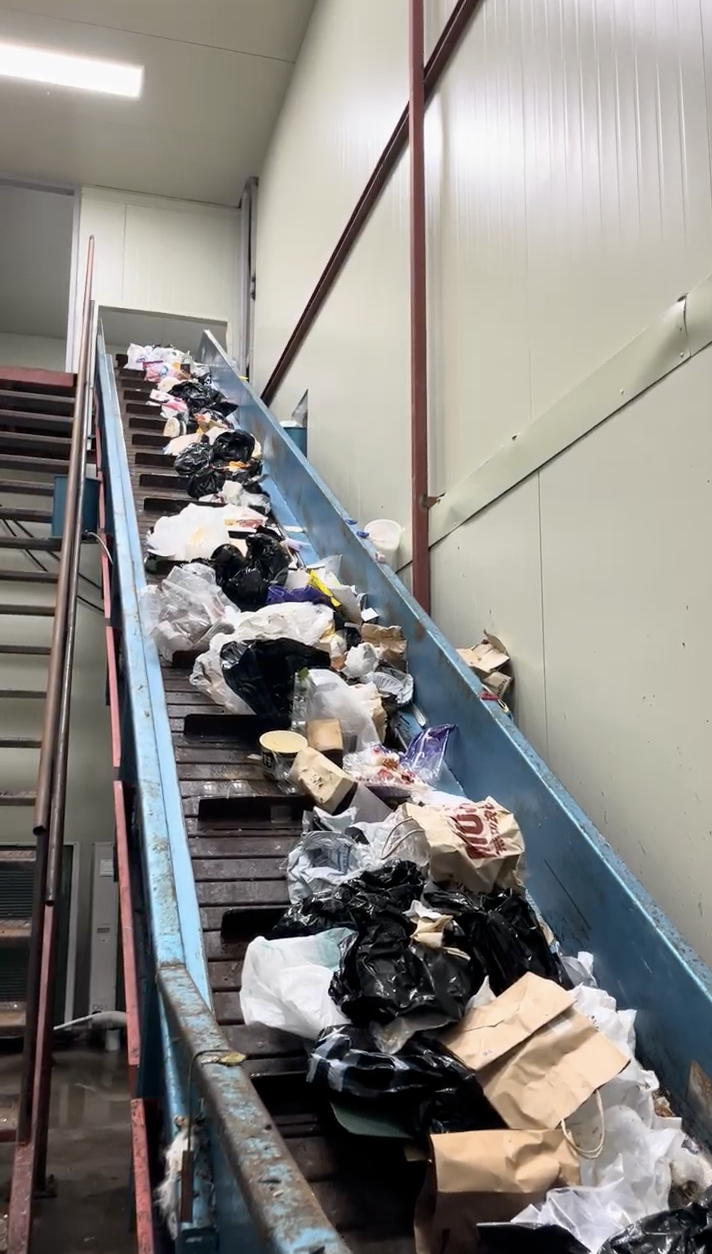
“If you do it properly, there are more than 10 categories,” Seo explained. “We think we separate everything according to the rules, but a lot of it ends up mixed again during collection to be sorted properly later.”
That’s exactly why he believes innovation is key.
“Stricter rules are necessary, but I don’t think they’re realistic,” he said. “What we need is smarter design and private initiative. If manufacturers think about recycling when they make packaging — like label-free bottles — the system itself becomes smarter.”
Seo dreams of making a real environmental impact by creating a system where recycling is done more efficiently.
“It’s not about saying ‘don’t make waste.’ It’s about making recycling actually work.”
But he said the first step for him now is to maximize the amount of trash his company processes by expanding his client base.
He explained that to create a meaningful impact, they need control over where the collected waste goes. That control gives them the power to make changes in the system, he believes.
“Right now, most of our clients are households, so the volume collected per pickup is relatively small. But by raising brand awareness and reaching larger sources of waste, such as apartment recycling centers or major waste generators, we can secure more material,” he said.
“The more we collect, the more influence we have, and the more impact we can make.”
ssh@heraldcorp.com