From 'oppa' to 'ajumma': How honorifics shape K-drama
진행자: 홍유, Tannith Kriel
기사요약: 로맨스의 설렘부터 세대 간 긴장까지, 한국어에서 호칭 한마디는 관계의 위계와 거리감을 그대로 비춘다. 이 미묘한 호칭 문화를 이해해야 장면 속 진짜 의미가 보인다.
[1] If you’re a K-drama fan, chances are you’ve come across the world of Korean honorifics -- those small yet powerful words that can define entire relationships.
honorific: 존댓말, 상대에 대한 존중, 나이·지위·관계를 반영해 쓰는 높임 표현 또는 호칭
[2] In a language built around relationships, these titles, from "oppa" and "eonni" to "seonbae" and "hubae," serve as emotional cues that drive storytelling and shape character dynamics in ways that English subtitles cannot replicate.
emotional cue: 감정 상태나 분위기 변화를 암시하는 신호
dynamics: 역학, 인물 간 관계의 상호작용과 변화하는 힘의 흐름
[3] Here, we explore some of the most commonly used terms that shape the subtle subtext of K-drama storytelling.
subtle: 미묘한, 겉으로 드러나지 않는
subtext: 직접 말하지 않고 숨겨진 의미나 의도, 장면 밑에 흐르는 메시지
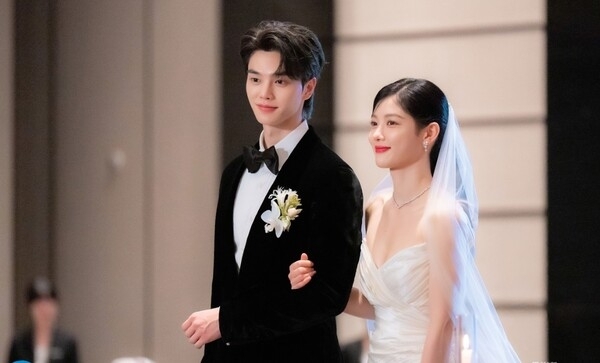
[4]Take "oppa," perhaps one of the most well-known terms in all of Korean pop culture. Literally meaning “older brother,” it’s used by women to address older men -- from actual siblings to boyfriends and close male friends. In dramas, when a woman suddenly starts calling a man oppa instead of his name, it usually signals that the emotional stakes have changed. It’s shorthand for romantic tension. Think "My Demon" or "Reply 1997" -- that single word can alter the emotional flow of the story.
emotional stake: 감정적 이해 관계 (stake = 내기·도박 등 건 돈, 지분이나 이해 관계)
shorthand: 속기, 요약
기사원문: https://www.koreaherald.com/article/10606781
[코리아헤럴드 팟캐스트 구독]
아이튠즈(아이폰):https://itunes.apple.com/kr/podcast/koliaheleoldeu-paskaeseuteu/id686406253?mt=2
네이버 오디오 클립(아이폰, 안드로이드 겸용): https://audioclip.naver.com/channels/5404
팟빵 (안드로이드): http://www.podbbang.com/ch/6638
yoohong@heraldcorp.com