Few laws reveal a nation’s political temperament more clearly than those governing speech. South Korea’s latest proposal to punish insults or defamation directed at foreign countries, nationals or races claims to promote tolerance. Yet its scope and severity suggest something less virtuous: a readiness to silence, not civilize, public discourse.
말(言)을 다루는 법만큼 한 국가의 정치적 기질을 정확히 드러내는 것은 드물다. 최근 한국에서 발의된, 외국 국가·국민·인종에 대한 모욕이나 명예훼손을 처벌하겠다는 법안은 관용을 증진한다는 명분을 내세우고 있다. 그러나 그 적용 범위와 처벌 강도만 놓고 보면, 이는 공론장을 “교화”하기보다 “침묵”시키는 데 더 방점이 찍혀 있다.
Ten lawmakers from the ruling Democratic Party of Korea and allied minor parties have sponsored an amendment to the Criminal Act that would impose up to five years in prison for defaming, and one year for insulting, a foreign state or citizen.
더불어민주당과 범여권 소속 의원 10명은 형법 개정안을 발의해, 외국 국가나 국민의 명예를 훼손할 경우 최대 5년, 모욕할 경우 최대 1년의 징역형을 부과하도록 했다.
More striking is the procedural twist. The crime could be prosecuted even without the victim’s consent or without a formal complaint, effectively turning the state into the offended party.
더 눈에 띄는 것은 절차적 변화다. 피해자의 동의나 고소 없이도 처벌할 수 있도록 해 사실상 국가가 파해 당사자로 나서는 구조다.
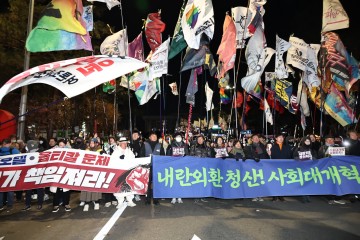
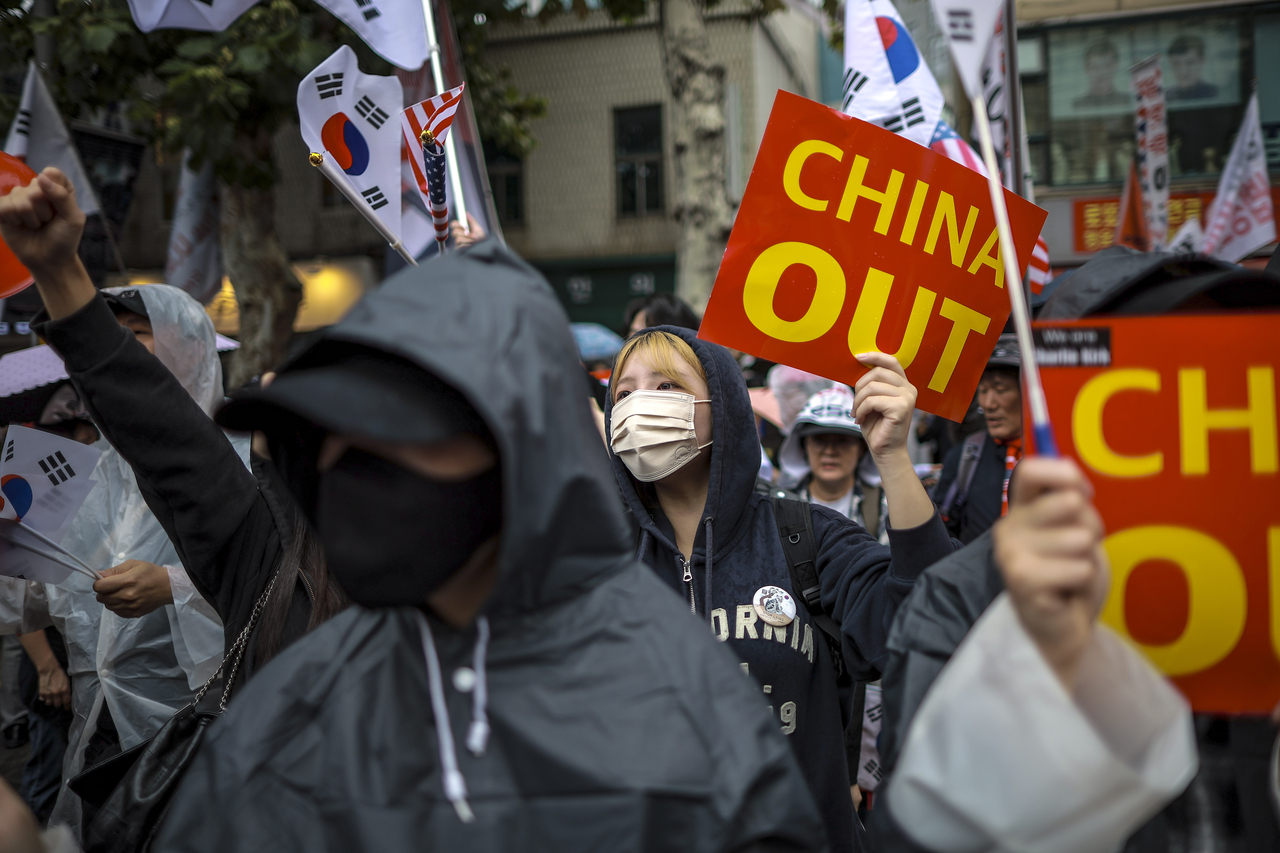
Supporters of the bill claim they are responding to an undeniable problem. In recent months, anti-China demonstrations have become louder and uglier. Protesters have torn national flags, shouted ethnic slurs and trafficked in conspiracy theories about election interference.
법안 지지자들은 부인하기 어려운 현실을 근거로 든다. 최근 반(反)중 시위의 목소리는 거칠어지고 과격해졌다. 시위대는 국기를 훼손하고, 인종적 비방을 외치며, 선거 개입 음모론까지 퍼뜨렸다.
The government cites international recommendations, such as those from the UN Committee on the Elimination of Racial Discrimination, urging stronger legal measures against hate speech. Few dispute the need to curb xenophobia. But legislating decency is a treacherous business, especially when politics, not principle, seems to guide the pen.
정부는 UN 인종차별철폐위원회 등 국제기구의 권고를 들며 혐오표현에 대한 강력한 대응이 필요하다고 주장한다. 외국인 혐오를 억제해야 한다는 데 이견은 없다. 그러나 품격을 법으로 강제하는 것은 위험천만한 일이며, 특히 원칙이 아니라 정치적 계산이 입법을 이끌 때 그 위험은 더 커진다.
Critics argue that the amendment is less a shield for minorities than a sword for diplomacy. The bill’s justification materials single out slurs against China and North Korea, though South Korea has long endured equally virulent anti-Japan and anti-US protests without feeling compelled to criminalize them. It is difficult to avoid the impression that the proposal aims to placate Beijing, not protect pluralism. If so, it risks turning foreign relations into a domestic speech code.
비판론자들은 이번 개정안이 소수자 보호의 방패라기보다 외교적 목적의 검에 가깝다고 지적한다. 법안 설명자료는 중국과 북한을 겨냥한 혐오 발언 사례를 집중적으로 언급한다. 그러나 한국은 오랫동안 반일·반미 시위에서 마찬가지로 극단적 표현을 경험했음에도 이를 형사처벌하려는 시도는 없었다. 이번 개정안이 다원주의 보호보다는 베이징 달래기에 방점이 찍힌 것으로 보인다는 의심을 피하기 어렵다. 그런 흐름이 고착된다면, 외교가 국내 ‘언어 규범’의 기준이 되는 위험한 전례를 남길 수 있다.
temperament: 기질
punish: 처벌하다
national: 국민
race: 인종
tolerance: 관용
silence: 침묵시키다
amendment: 개정안
defame: 명예를 훼손하다
insult: 모욕하다
citizen: 국민, 시민
victim: 피해자
demonstration: 시위
conspiracy theory: 음모론
interference: 개입
principle: 원칙
sword: 검
placate: 달래다
pluralism: 다원주의
khnews@heraldcorp.com