South Korea’s population is aging at a pace its economy and laws have yet to match. The debate over raising the statutory retirement age to 65 has become a matter of national urgency. The country became a superaged society this year, and a widening “income void” now separates the retirement age of 60 from the national pension’s starting point of 65.
한국의 고령화 속도는 경제와 법 제도가 따라가지 못할 정도로 빠르다. 법정 정년을 65세로 높이자는 논의가 국가적 과제가 떠오른 이유다. 올해 한국은 ‘초고령사회’에 진입했고, 현행 정년 60세와 국민연금 수급 개시 연령 65세 사이에는 점점 커지는 ‘소득 공백’이 생기고 있다.
For millions of second-generation baby boomers born between 1964 and 1973, that gap has become a financial chasm.
1964~1973년 사이에 태어난 ‘2차 베이비붐 세대’ 수백만 명에게 이 5년 공백은 이제 재정적 절벽으로 다가오고 있다.
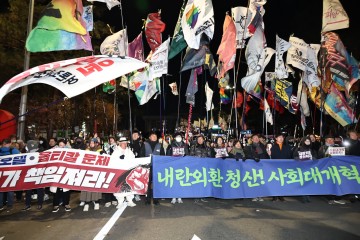
The ruling bloc, led by the Democratic Party of Korea and backed by the two major labor federations, is attempting to push a bill through the National Assembly by year-end to fulfill President Lee Jae Myung’s campaign promise. Yet the task force has made little progress, as the dispute is not whether older workers need protection, but how to provide it without broader harm.
더불어민주당이 주도하고 양대 노총이 지원하는 여권은 이재명 대통령의 대선 공약을 이행하기 위해 연내 정년 연장 법안을 국회에서 통과시키려 하고 있다. 그러나 진전은 더디며, 논쟁의 초점은 “고령 근로자를 보호해야 하느냐”가 아니라 “어떻게 부작용을 최소화하느냐”에 있다.
Raising the retirement age without changing the seniority-based wage system would saddle firms with sharply higher personnel costs. South Korea’s seniority pay typically peaks in the late 50s. A uniform five-year extension would raise payroll bills at a time when many companies, especially small and midsized ones, cannot bear the extra financial burden.
호봉제 임금 체계를 손보지 않은 채 정년만 늘린다면 기업의 인건비 부담은 급격히 늘어날 수밖에 없다. 한국의 연공급은 대체로 50대 후반에 정점에 이른다. 일률적으로 5년을 더 근속시키면 특히 중소기업들은 감당하기 어려운 재정 부담을 떠안게 된다.
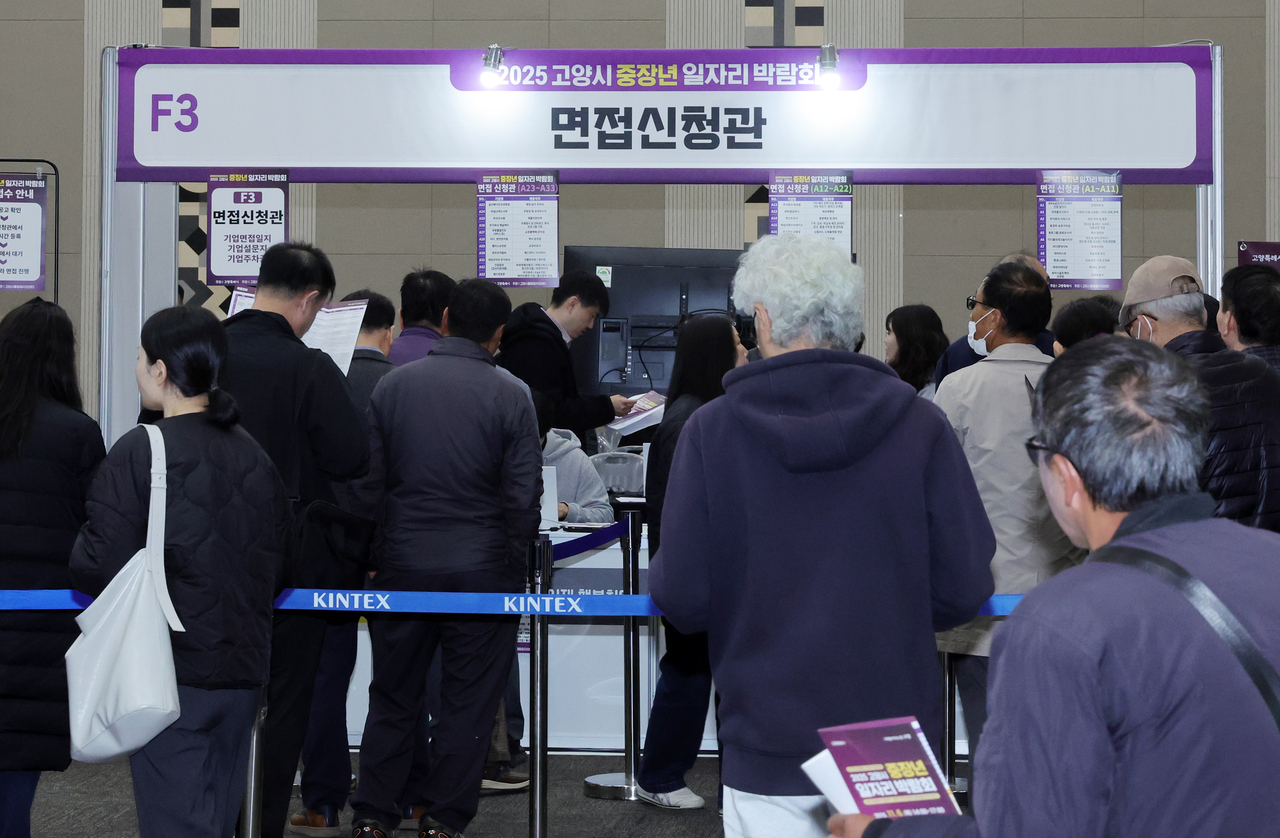
The immediate casualty would be youth employment. The Bank of Korea estimates that when one senior job is retained, between 0.4 and 1.5 youth jobs disappear. Even a one-year delay in retirement for some 50,000 regular employees could block the creation of a similar number of stable youth jobs. Youth employment has fallen for 35 consecutive months, and more than 440,000 young people now describe themselves as “not actively seeking work” because of poor job prospects.
그 직격탄은 청년 고용으로 향한다. 한국은행 분석에 따르면 고령 근로자 일자리 하나가 유지될 때, 청년 일자리 0.4~1.5개가 사라진다. 약 5만 명의 정규직 근로자가 1년만 더 일해도 그만큼의 안정적 청년 일자리 생성이 막히는 셈이다. 청년 고용은 35개월째 감소세를 이어가고 있으며, 44만 명이 넘는 청년이 “쉬고 있다”고 답하고 있다.
There is also a corporate trade-off. Firms retaining high-cost older staff in roles that demand new skills may defer investment and innovation, undermining competitiveness. A labor market that clings to seniority pay and rigid rules risks losing its young talent and dulling its global edge.
기업의 혁신력에도 부작용이 따른다. 기술 변화가 빠른 직무에 고비용의 고령 근로자가 남아 있을 경우, 기업은 신규 투자와 혁신을 미루게 된다. 연공서열과 경직된 고용 관행에 매달린 노동시장은 젊은 인재를 잃고 국제 경쟁력을 잃을 위험이 있다.
The sensible remedy is not to resist longer working lives, but to redesign the career life cycle. Linking pay to role and performance rather than age would make sustained employment less costly and more productive. Employers must be given realistic options to match duties to capability and adjust compensation accordingly.
현명한 해법은 ‘정년 연장’ 자체에 반대하는 것이 아니라, 경력 생애주기를 새로 설계하는 것이다. 나이가 아닌 역할과 성과에 임금을 연동시키면 장기 고용이 더 생산적이고 지속 가능해질 수 있다. 기업에는 직무와 역량에 맞게 보상 구조를 조정할 수 있는 현실적인 선택지가 주어져야 한다.
pace: 속도
economy: 경제
law: 법
void: 공백
bill: 법안
protection: 보호
firm: 회사, 기업
burden: 부담
employment: 고용
disappear: 사라지다
innovation: 혁신
labor: 노동
global: 세계적인, 국제적인
remedy: 치료, 해법
life cycle: 생애주기
productive: 생산적인
capability: 역량
compensation: 보상
khnews@heraldcorp.com