Former LG vice chairman says chaebol groups work best when the owners set a vision and CEOs execute it with autonomy

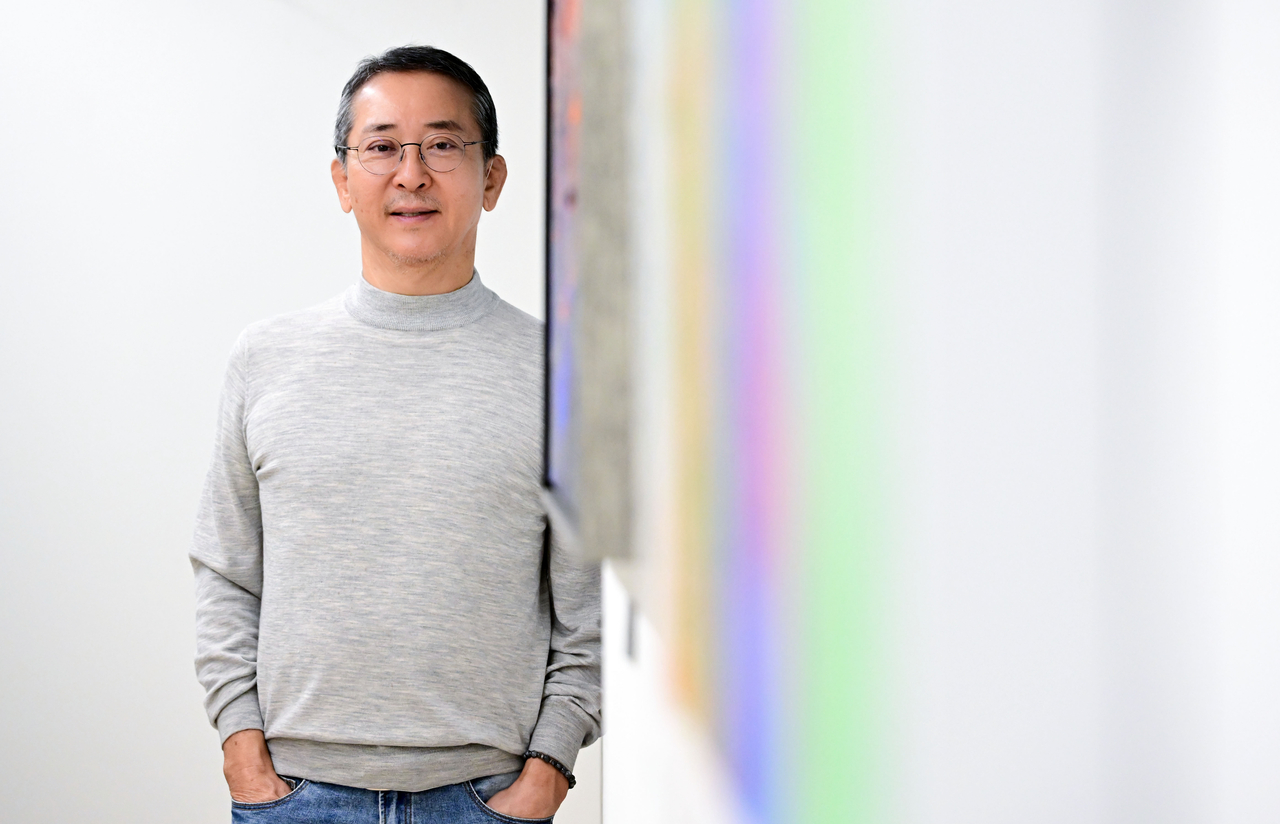
When the recent “Kkanbu Chicken” meetup between Samsung and Hyundai chiefs and Nvidia founder Jensen Huang dominated Korean headlines, Kwon Young-soo — who spent 44 years at LG, including 17 in C-suite roles — saw it as a moment that encapsulated corporate dealmaking.
“That’s where real deals start,” Kwon said in an interview with The Korea Herald. “Chaebol owners have to get close. There are things only owners understand about each other.”
Kwon, widely known as one of Korea’s most seasoned leaders in a chaebol-driven corporate world, said the effectiveness of conglomerates depends on owners knowing their proper role.
“The chaebol system works when owners and executives keep to their lanes,” he said. “Owners shouldn’t micromanage. Their job is the big picture — global networks, long-term direction, bold decisions.”
‘Right thinking,’ urgency — and prayer
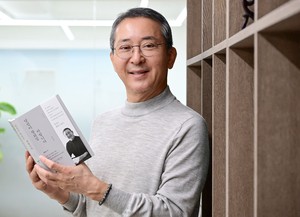
Kwon began his career in 1981 at Goldstar (now LG Electronics) and rose through the group to serve as vice chairman of LG Group, CFO of LG Electronics, and CEO of LG Display, LG Uplus and finally LG Energy Solution, where he ended his tenure in 2023. This month, he published a memoir and management strategy book titled "I Hope Your Life's Good" — a nod to LG’s “Life’s Good” slogan.
Reflecting on decades alongside the late LG Chairman Koo Bon-moo, Kwon said, “I was lucky. He trusted my judgment and gave me room to make decisions. But trust comes only from performance.”
His biggest calls — including whether to list LG Energy Solution — were not driven by complex theory.
“Inside the company, opinion was split,” he recalled. “You can’t solve that with theory alone.”
Instead, he relied on what he calls right thinking, urgency and prayer.
“You need the right intention and a desperate desire for things to go well. When you think that way long enough, the answer suddenly comes.”
His criteria for a professional CEO today? “Someone with the right mindset, urgency and genuine passion. People who are only smart shouldn’t be leaders. They support — but when they run the company, they often fail.”
Failure — and choosing not to run
Kwon’s rise wasn’t without failures. Early in his career, he led a game console project that collapsed under heavy losses.
“It failed badly,” he said. “Customers were angry, investors were angry. I couldn’t show my face. I thought about quitting — even doing a midnight escape.”
But he chose to stay, clean up the mess and move his team to new positions before resigning.
“That episode taught me the difference between failure and learning. If you run away, it becomes a permanent failure. If you face it, it becomes learning.”
Why foreign talent leaves — and how to fix it
With global competition intensifying, Kwon said Korean conglomerates must overhaul the conditions that make it hard for foreign professionals to succeed.
“The biggest handicap has been language,” he said. “We hired many foreign managers, but they couldn’t succeed because communication broke down.”
Performance evaluations pose another problem.
“Korean reviews still allow too much subjectivity. Comments like ‘he’s stubborn’ or ‘she keeps to herself’ influence ratings. Who you have drinks with matters too much,” he said. “Foreign executives don’t join every dinner — that becomes a minus. We need much more objective systems.”
On China, AI — and the US
As China catches up in batteries, displays and other strategic sectors, Kwon said Korean firms must shed old assumptions.
“We’ve mostly withdrawn from China. It’s no longer our market — it’s pure competition. We need a very accurate view of what China can do,” he said.
AI, he stressed, cannot be sidelined even when companies face losses or fierce Chinese competition. Leaders must move decisively to adopt AI and train employees.
In this context, he added, the US remains Korea’s most vital partner.
“The US is indispensable — it’s where global tech demand and AI investment come from,” he said.
Dreams, goals and the future
Since stepping back from day-to-day management, Kwon now runs investment consultancy New Wave1 and mentors young founders.
In his book, he stresses one message: people need dreams.
“When companies struggle and employees waver, leaders must give them a vision,” he said. “And for young people today — find a dream. When someone has a dream, their behavior changes.”
herim@heraldcorp.com


![[Top 100 Global Innovators] ‘BorgWarner stays step ahead with product leadership’](https://wimg.heraldcorp.com/news/cms/2025/10/27/news-p.v1.20251027.93a9cf03711840f18fa248632ec7301d_T1.jpg?type=h&h=240)