It began with a flicker on a smartphone screen. A counselor for North Korean defectors found her device suddenly wiped clean, her contacts hijacked and a fake “stress relief program” sent to friends through her account.
모든 것은 미세하게 깜박이는 스마트폰 화면에서 시작됐다. 탈북민 상담사의 휴대전화가 갑자기 초기화되고, 연락처가 탈취되더니, 그의 명의로 지인들에게 ‘스트레스 해소 프로그램’이라는 가짜 파일이 전송됐다.
Days later, an activist’s phone met the same fate. Both had unknowingly become pawns in North Korea’s newest front: a conflict fought not with missiles or tanks, but with malware.
며칠 뒤 한 인권활동가의 휴대전화에서도 동일한 일이 발생했다. 이들은 자신도 모르게 북한이 개척한 새로운 전장의 희생양이 된 것이다. 미사일도, 전차도 아닌 악성코드로 치르는 전쟁.
These attacks marked a disturbing evolution. The hackers were traced to Konni, a network tied to Kimsuky and other North Korean cyber units. They were not merely stealing data. They remotely controlled smartphones and personal computers, activating webcams and microphones to spy on their targets.
이 공격은 불길한 진화를 보여준다. 해킹 배후는 북한의 ‘김수키’ 등과 연계된 조직 코니로 추적됐다. 단순한 정보 탈취가 아니었다. 해커들은 스마트폰과 PC를 원격 장악해 카메라와 마이크를 켜고, 피해자들의 사생활을 엿보았다.
This was not espionage confined to government agencies or corporations, but surveillance intruding into private life. The virtual battlefield breached South Koreans’ living rooms.
이는 정부기관이나 대기업 시스템에 국한된 사이버 간첩 행위가 아니라, 국민의 일상 깊숙이 파고드는 감시다. 가상 전장은 이미 한국인의 거실 한가운데를 침투했다.
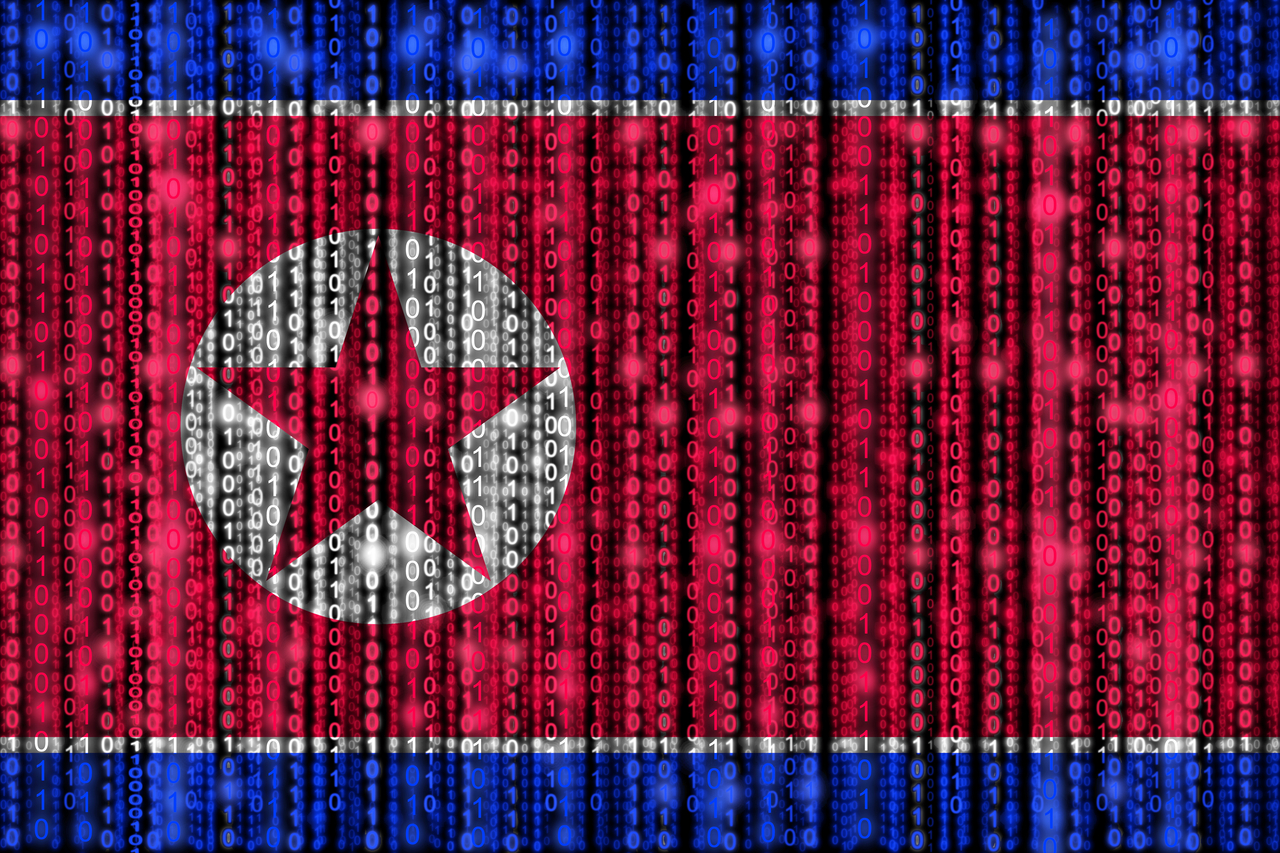
For Pyongyang, cyberwarfare has become an asymmetric weapon as vital as its nuclear and missile programs. With international sanctions strangling its finances, hacking now doubles as an economic lifeline. The UN estimates that North Korean groups have stolen about $3 billion in cryptocurrency, funding everything from weapons development to regime survival.
평양에게 사이버전은 핵과 미사일에 버금가는 비대칭 무기다. 국제 제재로 숨통이 조여진 상황에서 해킹은 경제 생존 수단이 되기도 했다. 유엔은 북한 연계 조직이 약 30억 달러 규모의 가상화폐를 탈취해 무기 개발과 체제 유지에 사용하고 있다고 추정한다.
But beyond money, the regime’s cyber strategy seeks to sow anxiety and distrust -- a psychological offensive against a society it cannot conquer by force.
그러나 목적은 돈만이 아니다. 북한의 사이버 전략은 불안과 불신을 심는 심리 공세이기도 하다. 무력으로 굴복시킬 수 없는 한국 사회를 내부에서 흔들기 위한 것이다.
Artificial intelligence is rapidly amplifying that threat. Combined with human intelligence and social engineering, North Korea-linked groups now exploit deepfakes and AI-generated personas to infiltrate job networks and military systems abroad. As AI continues to evolve, so will the sophistication of Pyongyang’s intrusions.
여기에 인공지능이 위협을 증폭시키고 있다. 인적 정보와 사회공학 기법에 AI를 결합한 북한 연계 조직은 해외의 구직 플랫폼과 군 관련 시스템에 딥페이크와 AI 생성 인물을 침투시키고 있다. AI가 진화할수록, 평양의 침투 기법도 더욱 교묘해질 것이다.
South Korea, meanwhile, remains dangerously complacent. Despite decades on the front line of one of the world’s most enduring conflicts, South Korea’s cybersecurity posture remains fragmented and reactive.
그러나 한국은 위험할 정도로 안일하다. 세계에서 가장 오래된 군사 대치선 한가운데 서 있는 나라임에도, 사이버 안보 태세는 여전히 파편화돼 있고 뒤늦은 대응에 머물러 있다.
Last month, the government acknowledged a massive breach of its core administrative network, the On-nara system, only after hackers had penetrated it, undetected, for nearly three years. When a US cybersecurity outlet exposed breaches of central ministries and telecom firms, officials confirmed the report two months later.
지난달 정부는 핵심 행정망인 ‘온나라 시스템’이 거의 3년 동안 침투당하고도 알아채지 못한 채 방치했음을 뒤늦게 인정했다. 미국의 한 사이버안보 매체가 중앙부처와 통신사의 침해 사실을 폭로한 지 두 달 뒤에야 정부는 이를 확인했다.
flicker: 깜박거림
screen: 화면
counselor: 상담사
contact: 연락처
front: 전장
malware: 악성 소프트웨어
evolution: 진화
steal: 훔치다, 탈취하다
espionage: 간첩활동
surveillance: 감시
virtual: 가상의
asymmetric: 비대칭의
sanction: 제재
estimate: 추정하다
anxiety: 불안
fragmented: 파편화 된
expose: 폭로하다
confirm: 확인하다
khnews@heraldcorp.com