Band behind 'Tiger Is Coming' returns with unexpected album No. 1.5
When Korean students sat for the college entrance exam last week, many found themselves grappling with an unexpected challenge: trying not to hum along to the passage in front of them.
A section from the pansori epic Sugung-ga appeared on the Korean-language test, and students immediately recognized the line “The tiger is coming down, the tiger is coming down” — the irresistible hook from Leenalchi’s viral 2020 hit. The lyric, originally a relatively minor moment in the epic, became a near–national anthem after it appeared in a kinetic tourism promotion video featuring the band and the Ambiguous Dance Company, which had amassed more than 53 million views on YouTube as of Wednesday.
The track’s hypnotic bass line and chantlike vocals dug so deeply into listeners’ minds that exam-takers dubbed it a “CSAT-forbidden song.”
Now Leenalchi is back with its long-awaited album “Heungboga,” released Nov. 6. This time, the band dives into another of the five surviving pansori epics: the tale of the kindhearted Heungbo, who rescues an injured swallow and is rewarded with fortune, while his greedy brother Nolbo brings about his own ruin.
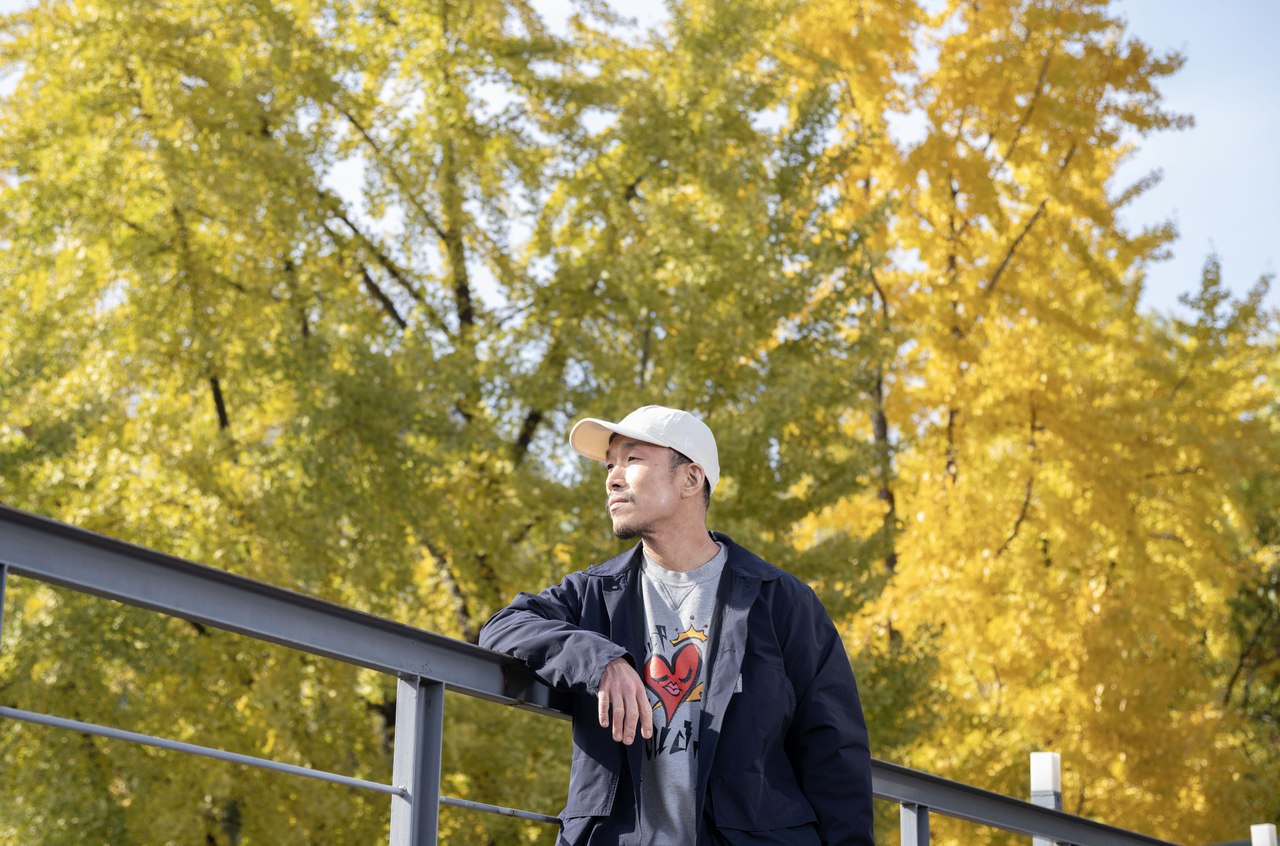
But as Ahn Yi-ho, one of the group’s four vocalists and an original member alongside bassist and music director Jang Young-gyu, explains, “Heungboga” was never meant to be the band’s second album.
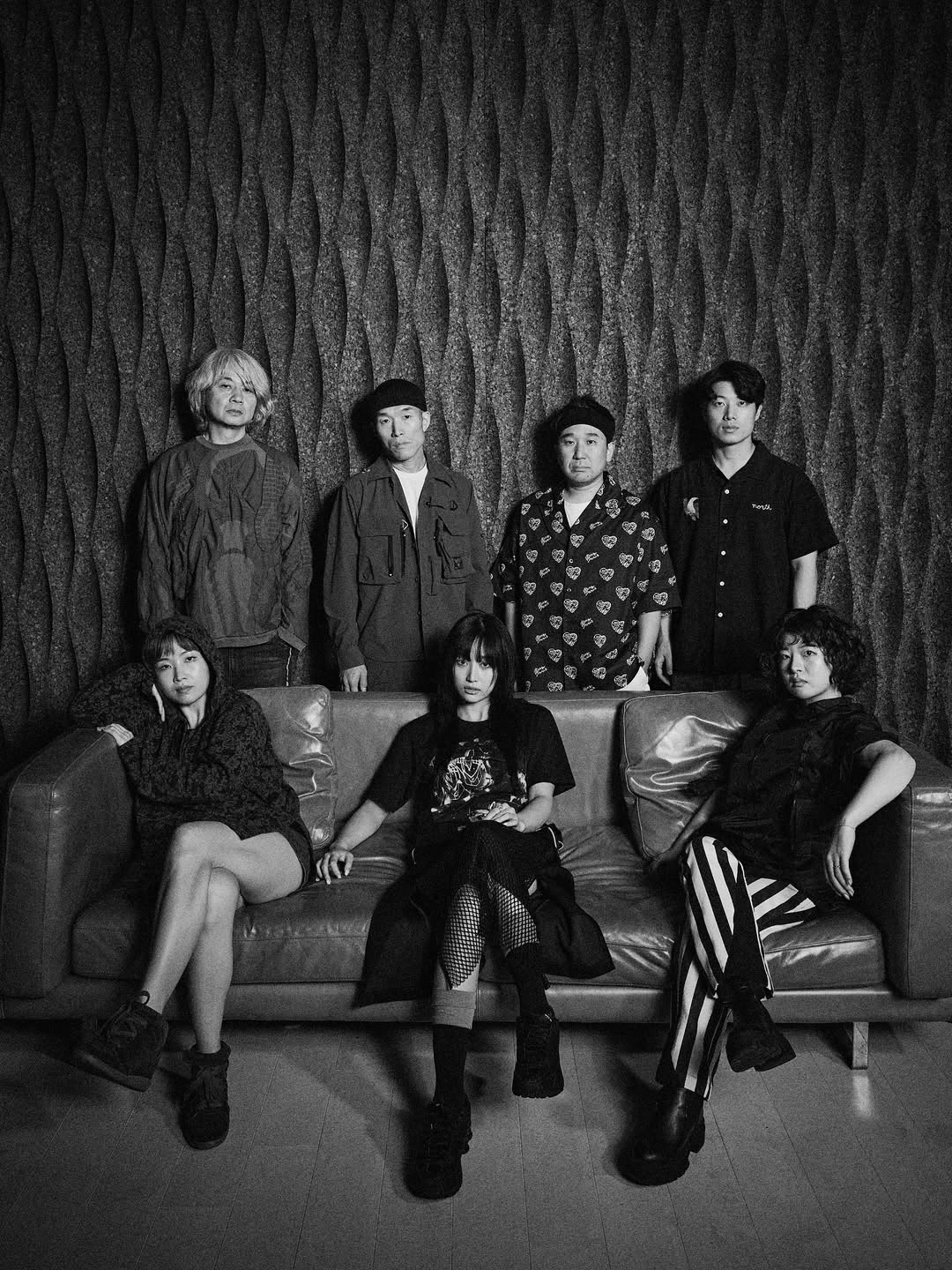
Unexpected '1.5 album'
“Technically, it’s our second album. But among ourselves, we call it the 1.5 album,” Ahn said in an interview with The Korea Herald last week.
The “real” second album, the one the band originally planned, has been moving slowly. “It wasn’t progressing as quickly as we expected,” he said, noting that the project is now about halfway done.
In the meantime, the Asia Culture Center in Gwangju invited Leenalchi to create a performance for its 10th-anniversary program, once again collaborating with Ambiguous Dance Company. They drew on material from Heungbo-ga for the production.
“We started working on ‘Sirirung Sirirung’ first. But it was coming together so well that we thought, ‘It’s a waste to leave this as a one-time performance. Let’s record it.'”
Returning to a pansori epic also brought added pressure. The group had previously said it did not plan to take on another folktale after Sugung-ga.
From a vocalist’s perspective, Ahn said, the bigger aim was to sharpen the public’s sense of what Leenalchi’s music really is. “People saw the first album as the band's sound plus pansori. But for the next one, we wanted something that doesn’t feel like two things added together — something messier, more mixed, more unclassifiable. Something that makes people go, ‘What is this?’”
The band’s now-signature hooks, Ahn explained, do not start out sounding inevitable. Music director Jang first sketches out fragments of rhythmic shards, then the vocalists improvise over them, singing stray lines from the pansori text.
“If something fits too neatly, it means it’s predictable or overused, so we toss it out. If it clashes completely, we toss it out, too. But if it makes us say, ‘What is this?’ we keep it.”
Even “Tiger Is Coming,” Ahn noted, was not an important scene in Sugung-ga. “But it ended up becoming the defining passage of the entire epic for many listeners.”
“Heungboga” was built the same way: testing, discarding and holding onto anything that made them tilt their heads a little. The album’s overall mood, he said, is funkier, befitting a tale full of comic characters, repeated phrases and exaggerated quirks.
“And this is exactly the point where pansori and Leenalchi diverge. Pansori is storytelling. Leenalchi’s music is not storytelling. It’s not music for telling a story.”

Sorikkun in 21st century
From the outset, Leenalchi has resisted being called a “fusion” band or a pansori band. “We weren’t formed with that idea in mind,” Ahn said.
Yet for Leenalchi’s music to work, he explained, the singers must be strong in traditional pansori for the sound to hold. That paradox — this is not pansori, but it requires mastery of pansori — took him years to understand.
That delicate balance — tightrope walking, as he describes it — is something the band embraces. Fittingly, the band takes its name from Lee Nal-chi, the legendary pansori singer from the Joseon era known for both his vocal prowess and literal tightrope-walking skills.
So the band does not see itself as carrying the torch of modernizing or globalizing pansori.
“People can call it that if they want. It may effectively function that way. But that isn’t our goal, and we don’t think of it that way. We’re just musicians, some of us with pansori as our main weapon, others with bass or drums, making the music we can make together.”
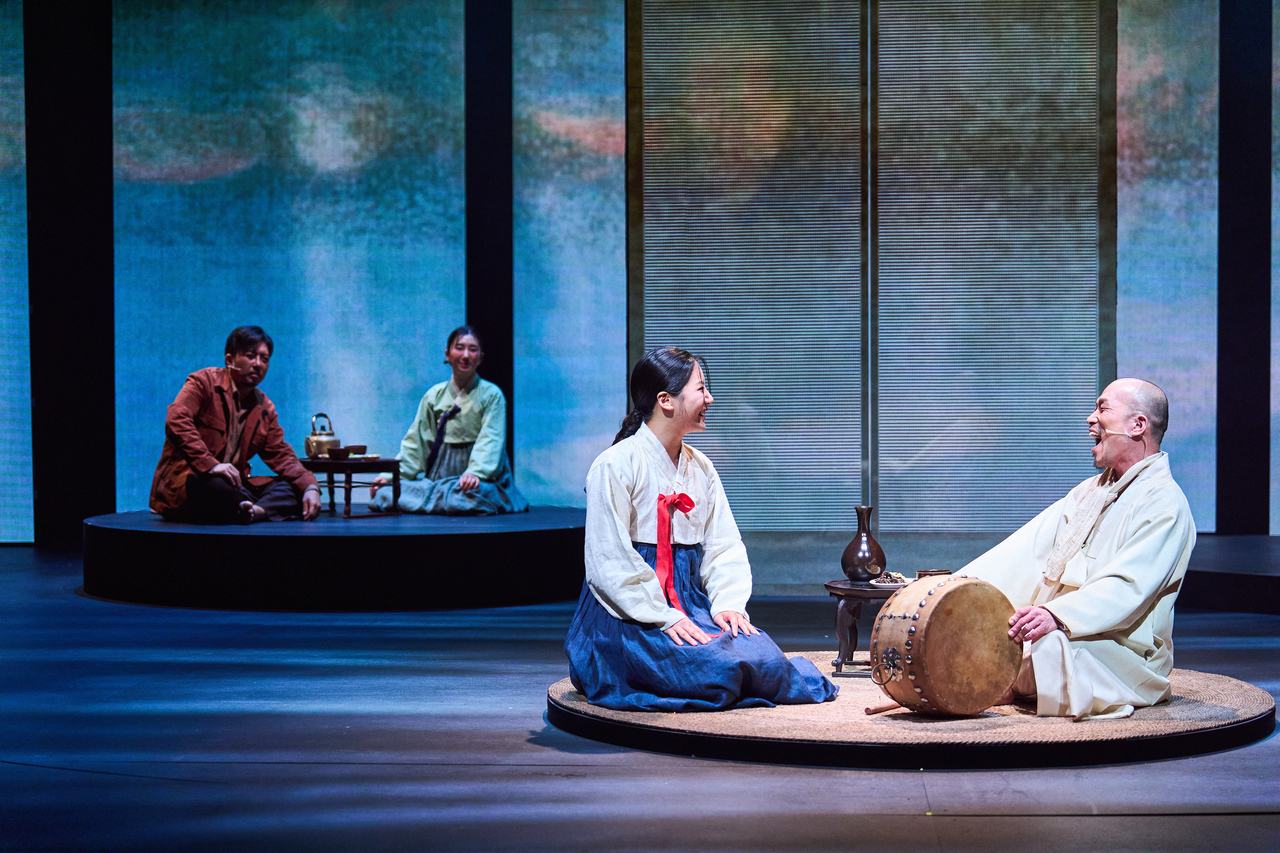
Outside the band, Ahn recently performed in the National Jeongdong Theater's “Seopyeonje,” a traditional changgeuk production. Balancing these two worlds has clarified what it means to be a modern sorikkun or pansori singer.
“A sorikkun today is both: a singer who can act, and an actor who can sing,” he said. Leenalchi, in his view, leans toward “a singer with some acting ability,” while changgeuk like “Seopyeonje” demands “an actor who sings well.”
Neither is a “replacement” for traditional pansori. Instead, they represent the many artistic paths available to a sorikkun in contemporary society.
“It’s not that they’re completely different types of music. It’s about finding the right place on the spectrum as a sorikkun. And also, it’s not about choosing one as the alternative. They’re just different things I can do as a sorikkun today.”
Leenalchi will perform in Hong Kong in early December, followed by a Christmas concert at Morene Sukha in Seoul’s Moraenae Market in Seodaemun-gu. The band is also preparing an overseas tour for next year, while the long-gestating real second album continues to take shape.
hwangdh@heraldcorp.com