South Korea breathes sigh of relief, as all 267 people rescued in ferry grounding Wednesday night
It all began with a sudden jolt and a loud metallic roar. Just 40 minutes before docking, the Queen Jenuvia II ferry veered off course and slammed into an uninhabited islet in dark waters off South Korea’s southwestern coast on Wednesday night.
For a tense three hours, 267 people — including children, senior passengers and truck drivers returning from Jeju Island — waited aboard the grounded vessel in the middle of the sea, until everyone was eventually evacuated to safety.
For many South Koreans following the news, it revived the collective trauma of the 2014 Sewol ferry sinking.
Here’s how the night unfolded, and why it didn't become a repeat of the Sewol tragedy.
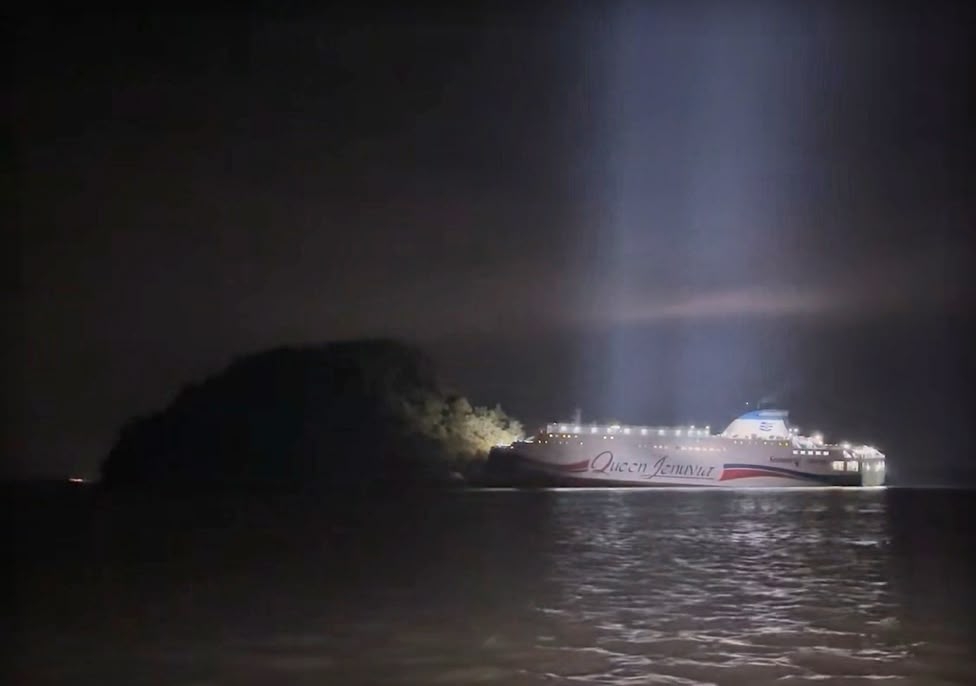
At 8:17 p.m. Wednesday, the 26,546-ton Queen Jenuvia II struck Jokdo, a small uninhabited rocky islet south of the island of Jangsando in South Jeolla Province's Shinan County. It had departed Jeju Port at 4:45 p.m., carrying 246 passengers and 21 crew and was due to arrive in Mokpo by 9 p.m.
According to the Coast Guard and local authorities, the vessel had deviated from its regular route due to a delayed steering correction. Jokdo, while not categorized as a major hazard zone, sits within narrow, reef-laden waters prone to strong currents.
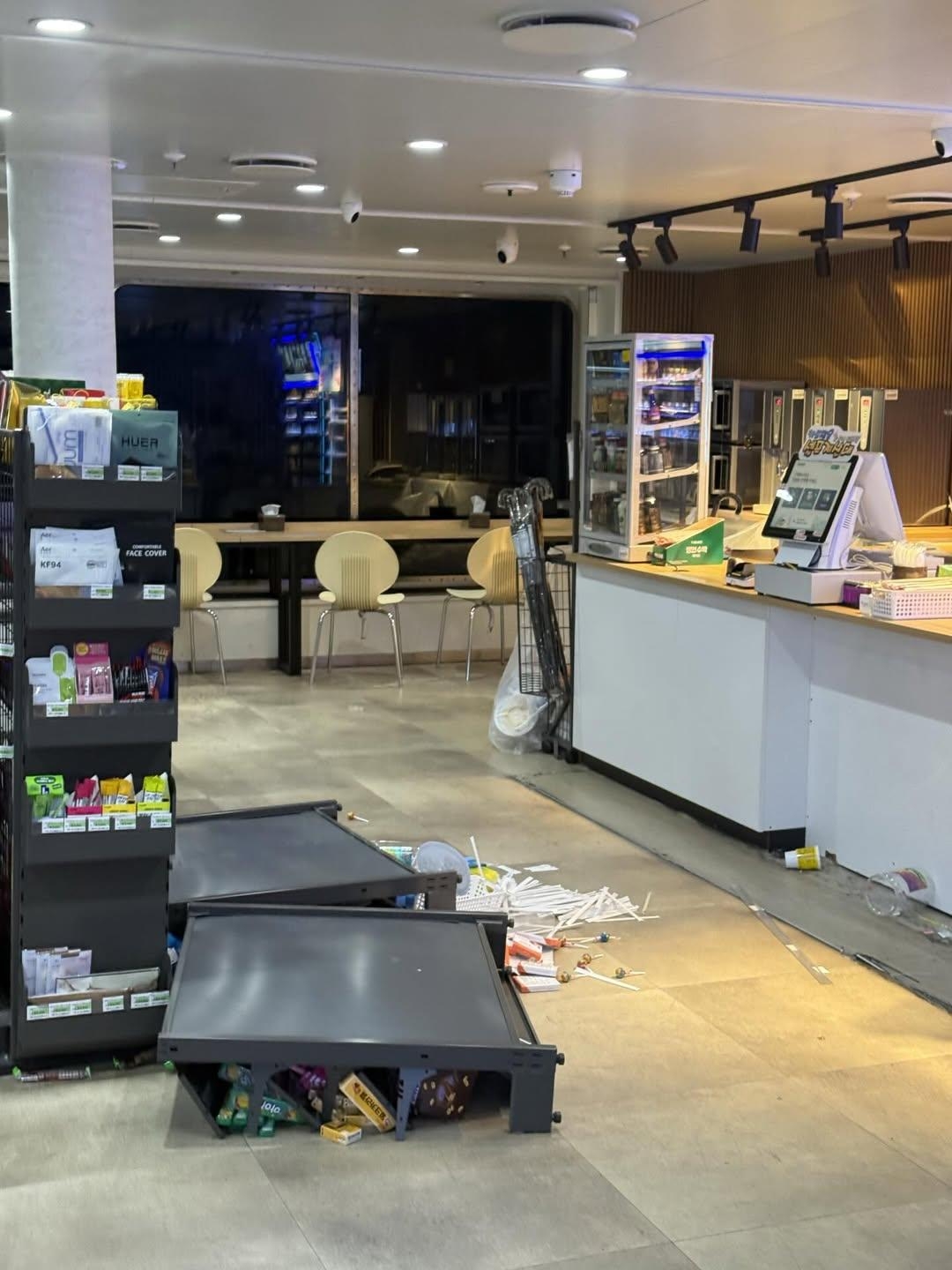
Inside the ship, the initial impact caused chaos. “There was a thunderous boom, then the ship tilted slightly,” one middle-aged passenger told local media.
Another passenger said: “I was lying down when the whole ship jolted and I rolled off the bench.”
The onboard convenience store’s shelves collapsed, scattering merchandise across the floor. In some parts of the ship, personal belongings and luggage tumbled from compartments.
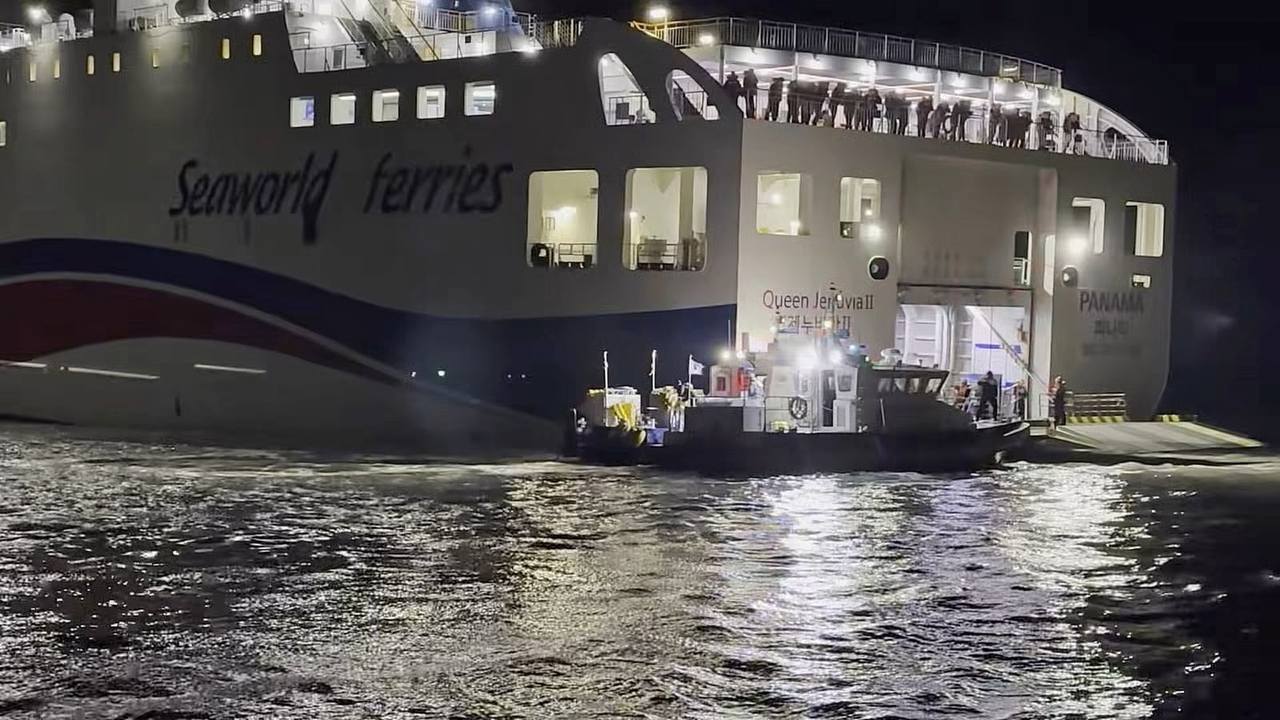
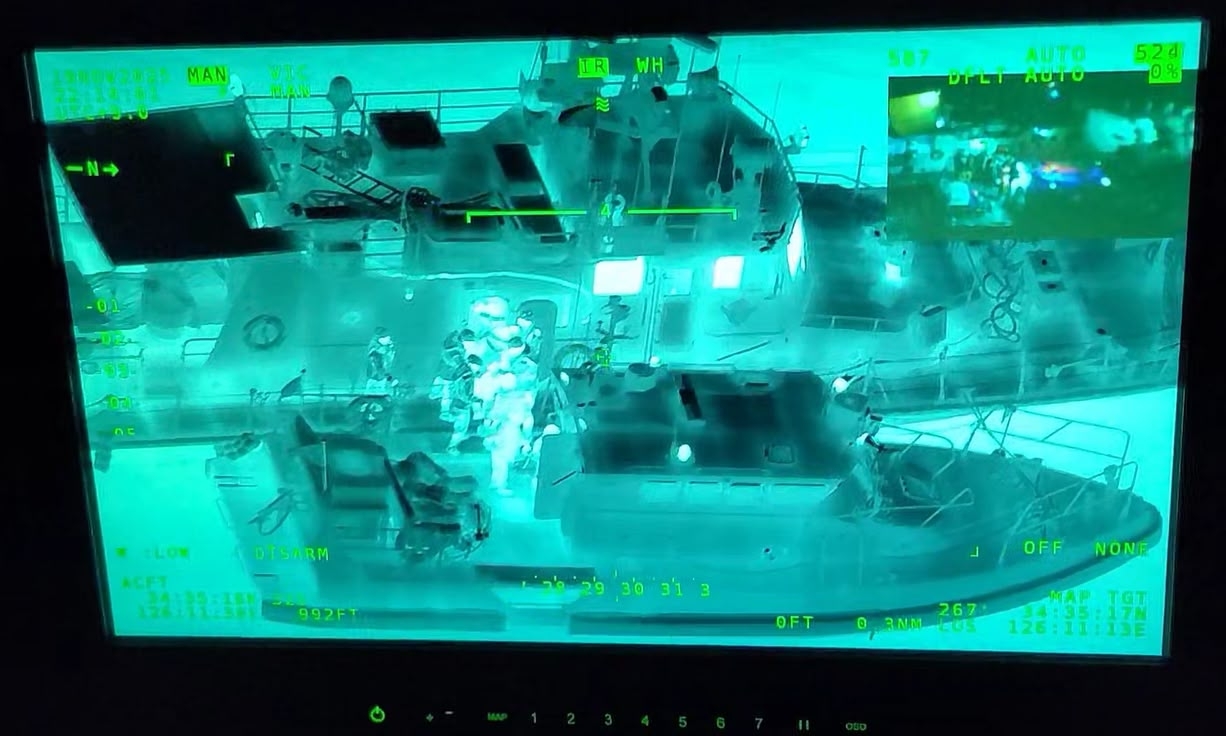
The Korea Coast Guard initiated a large-scale response within minutes. A total of 17 patrol vessels, four coastal rescue boats and one helicopter were deployed.
Rescue divers and special response units from the West Sea Rescue Team were also dispatched to assist.
But the ferry had not taken on water. The bow was damaged, but no significant flooding was detected, and the vessel remained upright and stable throughout the rescue. This was fortunately quite different to South Korea’s 2014 disaster involving the Sewol ferry, which capsized in open water and began to sink less than half an hour after it began to list, leading to the deaths of 304 people.
At around 9:30 p.m., Prime Minister Kim Min-seok ordered all available resources deployed to ensure the complete and safe rescue of the passengers. About 20 minutes later, President Lee Jae Myung, while on a state visit in the United Arab Emirates, directed authorities to act swiftly and release real-time updates to reassure the public.
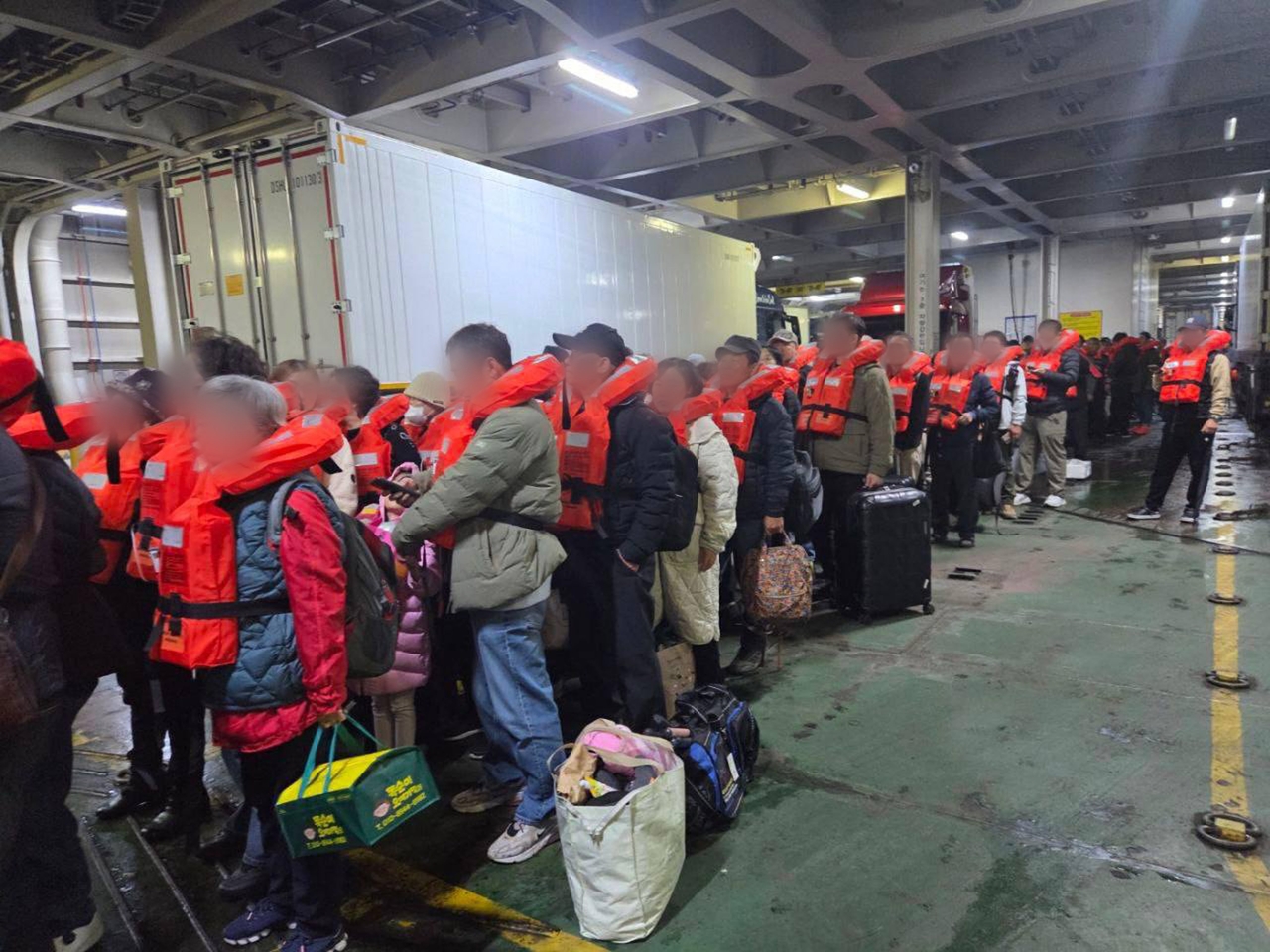
Rescue teams instructed passengers to put on life jackets and muster on the upper decks. According to witnesses, there was confusion at first as announcements were delayed. One aged man told local media, “They just kept telling us to wait. People were afraid but tried to stay calm.”
Another passenger said, “There was panic at the beginning. But when we saw the Coast Guard arriving, we finally breathed again.”
Elderly passengers, children and a pregnant woman were evacuated first. Most evacuees were transferred using the ferry’s loading ramp, which connected directly to Coast Guard ships.
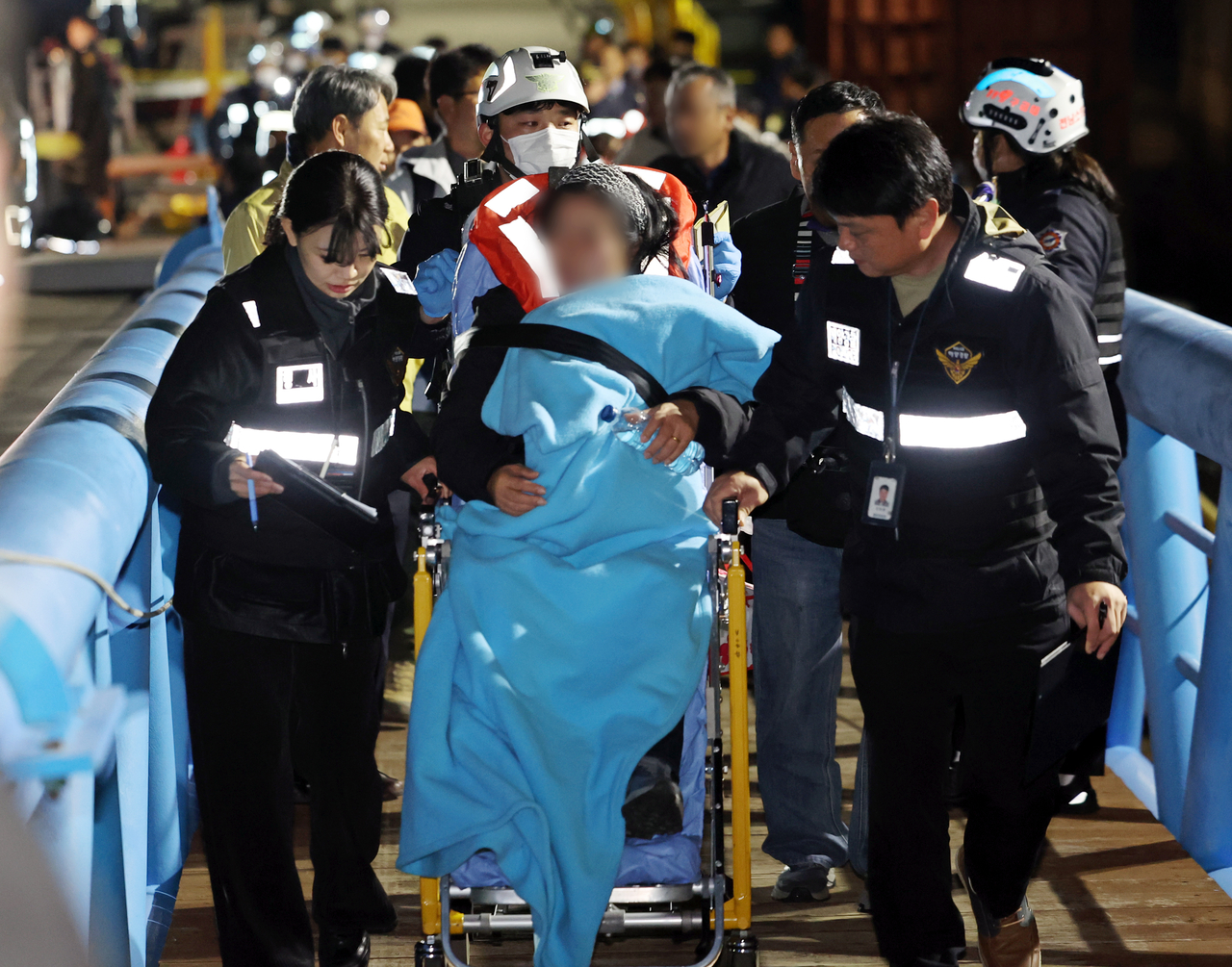

A few passengers were taken directly to nearby hospitals for further evaluation. Most others were transported to temporary shelters arranged by South Jeolla Province.
At 11:27 p.m., the final group of passengers was confirmed to be safe, three hours and 10 minutes after the ferry first issued its distress call. The majority were uninjured, but 27 passengers reported mild injuries or stress-related symptoms.
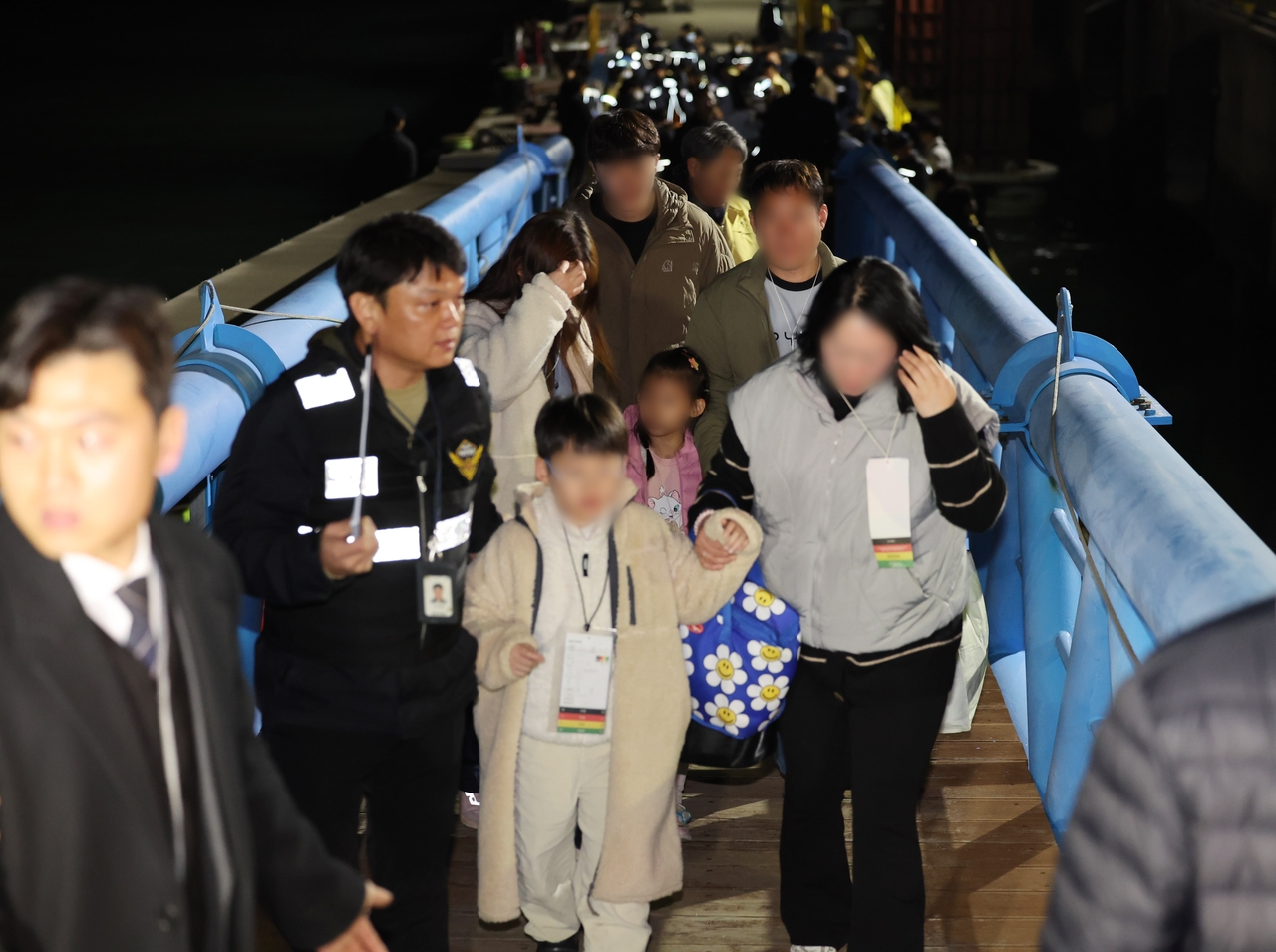
As they stepped onto solid ground in Mokpo, several passengers reached for their phones to call loved ones. “Don’t worry. I’m OK,” one reportedly said.
Others admitted they had feared the worst. “All I could think about was the Sewol ferry disaster,” one told reporters.
Another said simply, “We were lucky. It could have been much worse.”
mjh@heraldcorp.com