Structural dollar demand overwhelms trade surplus and tightens policy options
The Korean won’s persistent decline against the US dollar has moved beyond ordinary volatility and now signals a deeper imbalance that Seoul’s policymakers can no longer overlook.
With the won trading persistently near the 1,470 won mark, markets now openly discuss 1,500 as plausible. What is striking is that this does not reflect a shortage of dollars from trade. It reflects a structural reshaping of the foreign exchange equilibrium that threatens to erode hard-won stability, trigger cost-push inflation and unsettle critical industries.
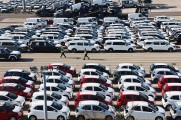
At first glance, the puzzle is paradoxical. South Korea has run large trade surpluses this year. Exports exceeded imports by roughly $56.4 billion through last month, and the current account surplus reached about $82.8 billion through September. Foreign exchange reserves remain ample at about $428.8 billion at the end of October.
Yet buyers of dollars still outnumber sellers. The explanation lies not in trade flows but in capital flows and the new choreography of corporate and household behavior.
Two developments stand out. First, the outflow of capital driven by surging overseas investment by Korean residents has created a demand for dollars that at times exceeds the country’s monthly trade surplus. Retail investors alone purchased about $6.8 billion of US stocks last month.
Second, foreign investors have been net sellers of Korean equities, with net sales this month of about 9 trillion won ($6.1 billion), intensifying dollar demand. These sustained sell-offs reflect concerns over an AI valuation bubble and broader global risk aversion.
Global forces amplify these domestic shifts. The dollar has strengthened as markets trim expectations of a Federal Reserve rate cut in December, and the yen has weakened further. The dollar index has risen above 100, making many emerging market currencies look soft by comparison.
In this environment, Korea’s relative yield position and the prospect of further outward investment create persistent dollar demand. The result is a won depreciation that is structural rather than episodic.
The consequences are immediate and broad. Imported energy and raw materials are more expensive in won terms, contributing to a renewed uptick in consumer prices.
Given Korea’s dependence on imports for coal, oil and many industrial inputs, a strong dollar is likely to push up production costs across refining, steel, chemicals, food and aviation. For firms with tight margins and limited capacity to pass on costs in a tepid domestic market, profit compression is already visible.
Policymakers face a narrow corridor for action. Verbal intervention and talks with major market participants can help moderate volatility. But intervention alone cannot address the structural drivers. There is a real risk that aggressive fiscal easing or premature monetary loosening, intended to stimulate growth, would compound the dollar shortage and stoke imported inflation. Fiscal prudence must therefore be part of the response.
Longer term, Korea needs supply-side remedies that raise domestic returns and reduce reliance on imported inputs. Policies should support corporate hedging, broaden sources of foreign exchange liquidity and assist small and medium-sized enterprises, which are most vulnerable to import price shocks.
The authorities must also maintain strategic coordination with major foreign exchange players, such as the National Pension Service, to better manage dollar supply and restore market confidence.
The won’s decline reflects a transformation in Korea’s external finances that policymakers must acknowledge and address. If left to fester, a persistent high exchange rate could turn today’s shadow of instability into higher inflation, weaker consumption and fewer policy options.
Restoring confidence will require measured intervention, clearer fiscal discipline and structural reforms that strengthen Korea’s ability to earn and retain foreign currency. Only by confronting these deeper shifts can Seoul turn the warning light back to green.
khnews@heraldcorp.com