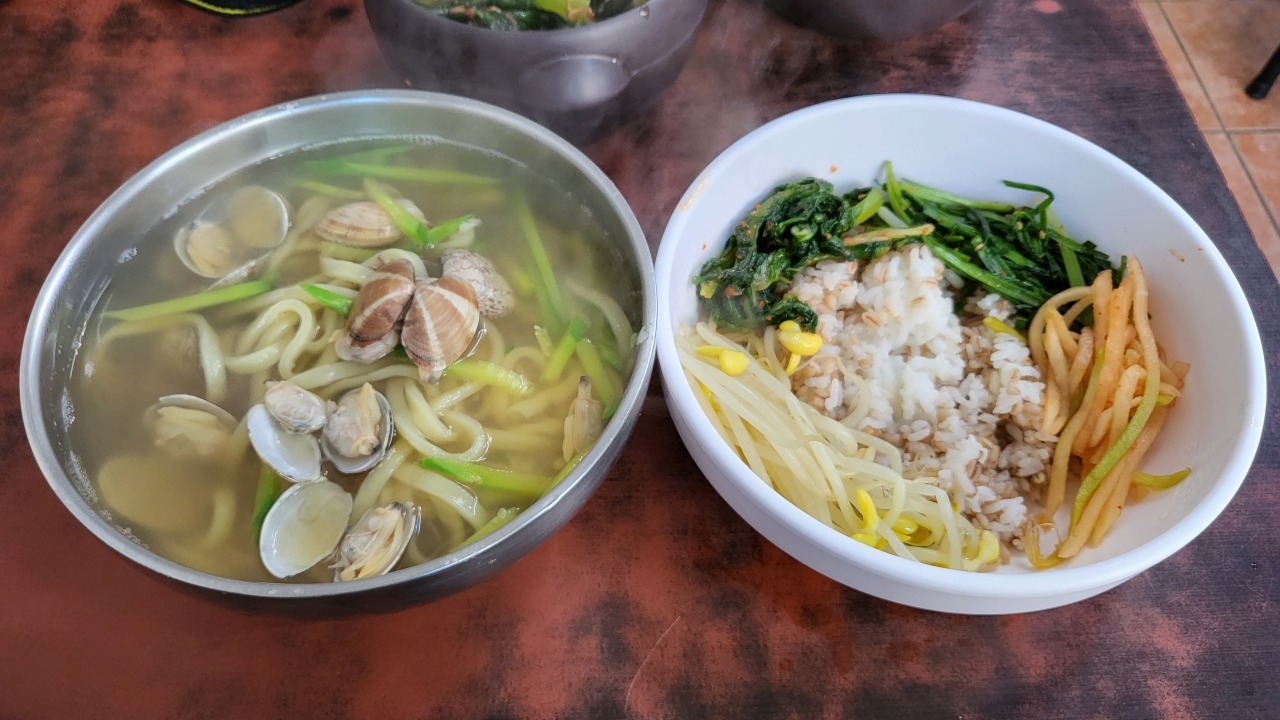
Kalguksu, a noodle soup made with handmade knife-cut flour noodles, recorded the steepest on-year price increase among the eight most popular dining-out menu items in Seoul, according to data released Sunday by the Korea Consumer Agency.
The average price of a bowl of kalguksu rose 4.91 percent from 9,385 won ($6.40) in December 2024 to 9,846 won in October 2025, outpacing the overall 3.44 percent average increase recorded across the eight dishes surveyed during the period.
Compared to a decade earlier, the noodle dish's price has surged 50.44 percent from 6,545 won, reflecting a long-running trend of cost pressure on noodle eateries.
According to monthly data compiled by the Korea Consumer Agency, an affiliate of the Korea Fair Trade Commission, all eight dishes are now more expensive in Seoul than they were about a year ago.
Rising wheat flour costs are a major driver behind the increase in kalguksu prices. The consumer price index for flour jumped from 108.47 in 2021 to 138.17 in 2022, as flour prices surged globally amid a supply shock initiated by Russia’s invasion of Ukraine. An index score over 100 indicates a relative increase in price from the baseline.
Samgyetang, or ginseng chicken soup, posted the second-highest jump at 4.23 percent, reaching an average of 18,000 won from 17,279 won last year. While average prices remain below 20,000 won, premium eatery brands such as Goryeo Samgyetang and Nonhyeon Samgyetang have already breached that line.
Gimbab, kimchi stew, naengmyeon, bibimbap and jajangmyeon followed in that order, with increases ranging from just over 3 percent to more than 4 percent, underscoring the broad rise in dining costs across the nation's capital.
Of eight dishes surveyed, samgyeopsal, or grilled pork belly, saw the smallest price increase at 1.93 percent, going from 20,282 won to 20,673 won.
The climb in food prices comes as restaurants contend with higher ingredient and labor costs, elevated utility bills, rising rents and a stronger dollar driving up import prices.
seungku99@heraldcorp.com