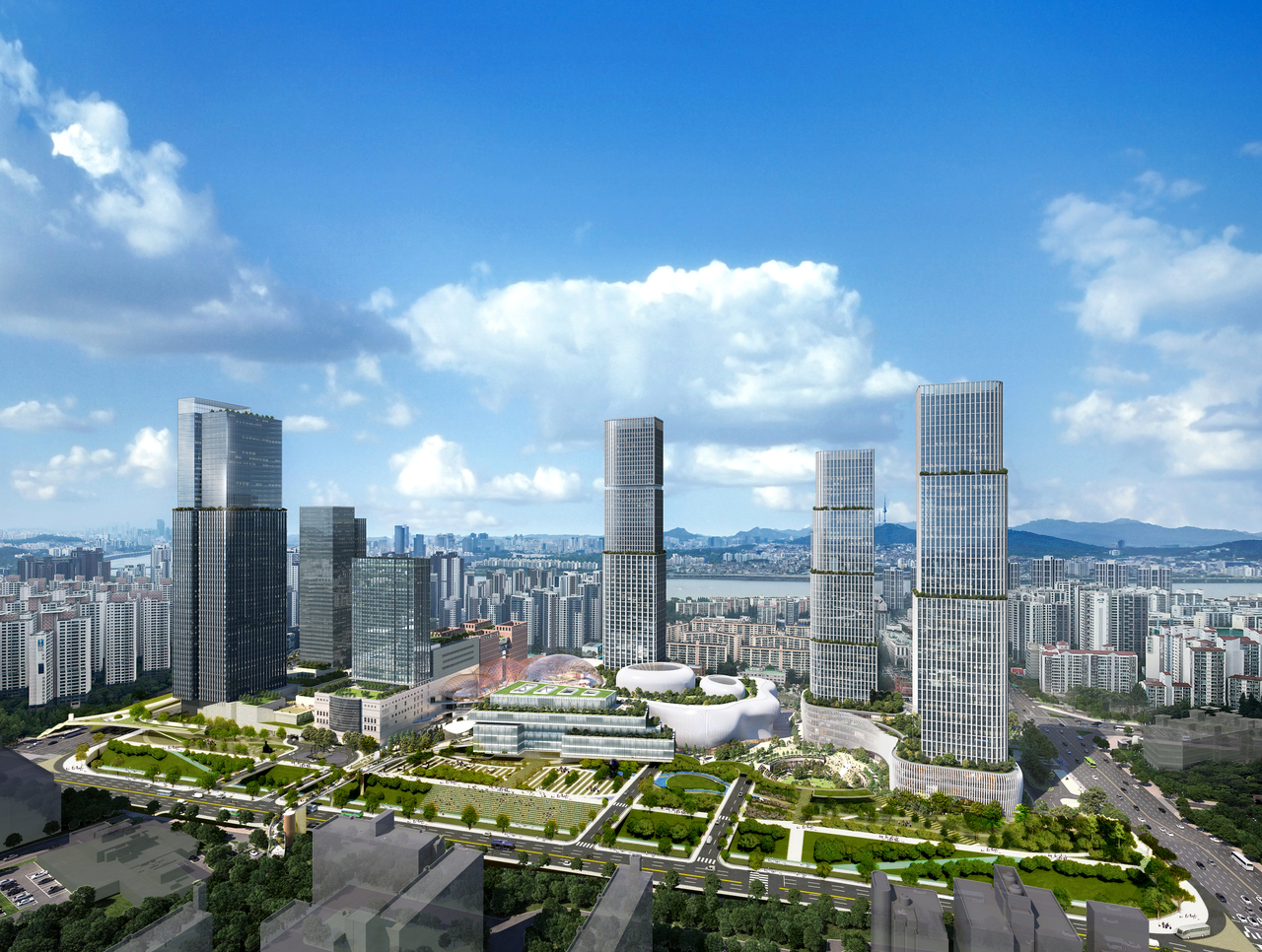
The Seoul Metropolitan Government is pushing ahead with plans to transform the aging Seoul Express Bus Terminal in Seocho-gu into a 60-story multipurpose complex integrating transportation, business, residential and cultural functions.
According to the Seoul Metropolitan Government on Wednesday, the city government officially launched preliminary negotiations with Shinsegae Central Inc. and Seoul Express Bus Terminal Co., two private sector operators of the 146,260-square-meter site selected for redevelopment.
First opened in the 1970s alongside the construction of the Gyeongbu Expressway, the terminal served as an iconic transportation gateway. With the development of Central City in the 2000s, a shopping complex operated by Shinsegae, the transportation hub quickly evolved into a regional landmark, incorporating offices, hotels, retail and cultural spaces.
However, the terminal has grown increasingly outdated due to its aging infrastructure. Parking spaces also take up more than half of the site and cut off pedestrian connectivity.
Residents have long complained about traffic congestion, noise and air pollution from buses entering and exiting the terminal. Structural limitations inside the subway stations of the terminal, such as confusing transfer routes between Subway Line Nos. 3, 7 and 9, have further reinforced the need for a complete overhaul, according to the city government.
The city government added that the site holds significant potential once it undergoes development. The subways that run through the bus terminal operate across three different lines, and its strategic location makes it easy to access different parts of the city as well as the airport.
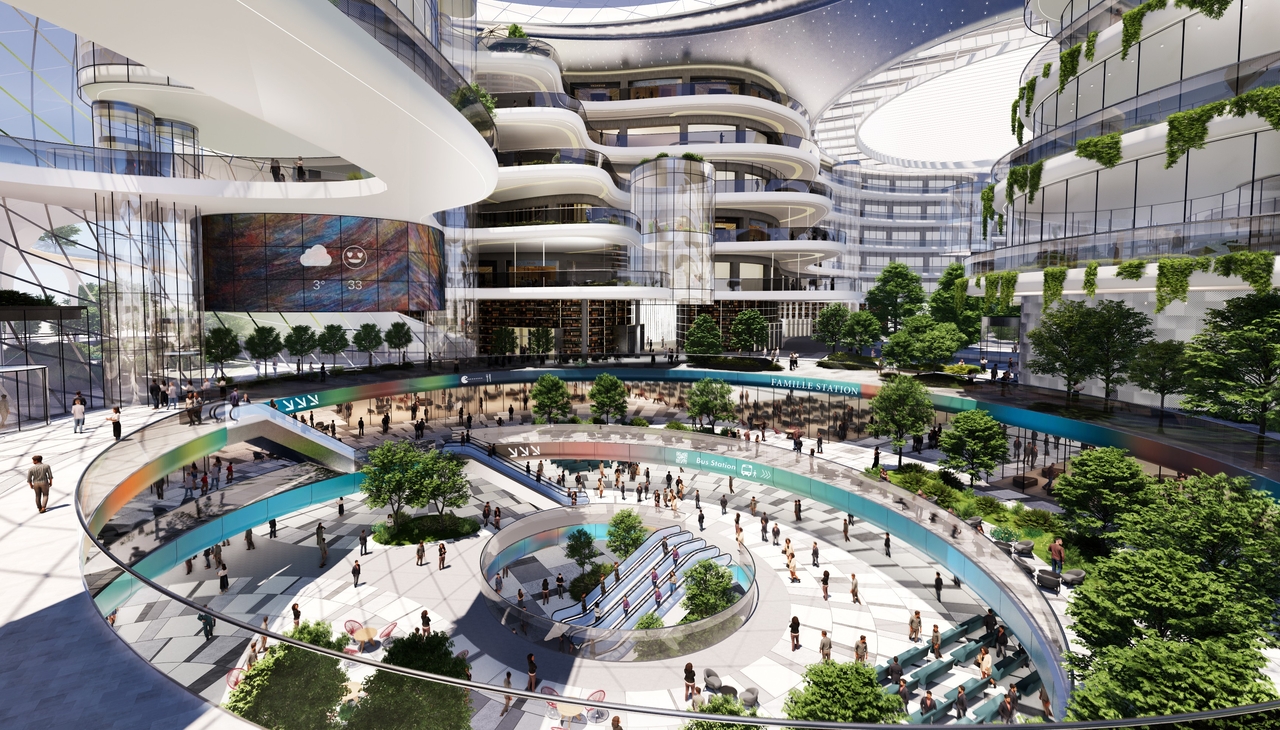
The redevelopment plan proposed by the private developers includes relocating the bus terminals and express bus routes underground to minimize air pollution, while also restructuring or moving some roads underground to improve overall traffic flow near the area.
The shopping complex at the surface level is planned to be developed into a complex of at least 60 stories, featuring business, residential, retail, hotel and cultural facilities.
It also aims to develop the site into a transportation platform that connects southern Seoul with airports as well as other domestic tourist destinations. Enhanced pedestrian infrastructure, such as a multi-level pedestrian bridge connecting the complex with the nearest section of the Han River, is also planned to improve pedestrian accessibility and walkability.
Following a preliminary negotiation phase, the finalized plan will go through legal procedures, including urban planning revisions and construction approvals, before construction begins.
lee.jungjoo@heraldcorp.com