Pension fund’s overseas investments exceed Korea’s foreign-exchange reserves, prompting tighter oversight
South Korea is tightening oversight of the National Pension Service’s growing sway over currency markets, unveiling a new four-way working group to monitor the long-term effects of the fund’s investment on the won.
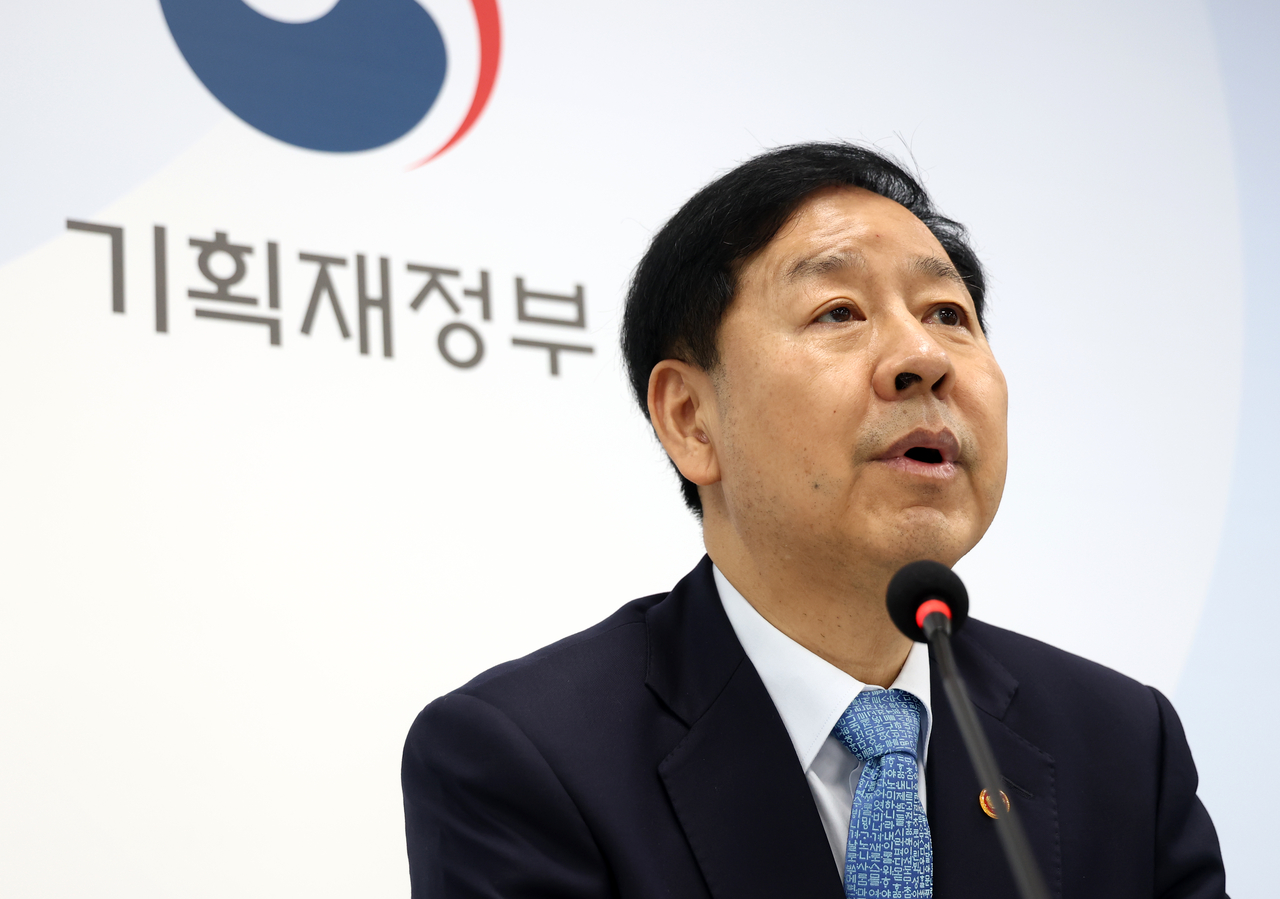
“The NPS has the single largest presence in the foreign-exchange market,” Finance Minister Koo Yun-cheol said at a briefing Wednesday.
“When the fund undertakes large overseas investments in a short period relative to the size of the FX market, it can fuel price pressures and erode real income, placing direct strain on the broader economy and households.”
Koo noted that the pension fund’s assets, now estimated at around 1,400 trillion won ($955 billion), have already surpassed 50 percent of Korea’s gross domestic product, while its overseas holdings have grown larger than the nation’s official foreign-exchange reserves.
The briefing carried unusual urgency, as the ministry called reporters together on a rare day’s notice specifically to address foreign exchange conditions.
“NPS assets are expected to reach 3,600 trillion won in the longer term, and its overseas allocation will likely keep rising, adding further dollar demand,” Koo said, warning that abrupt shifts in the fund’s strategy could intensify currency volatility. “At the same time, when the fund eventually takes profit and unwinds large overseas positions, the resulting dollar decline could affect its own financing base.”
As of August, the NPS had invested 58.3 percent of its 1,322 trillion won portfolio overseas and plans to lift that share as it seeks higher returns.
Authorities have recently stressed the need to address a “structural imbalance” in FX supply and demand, with expanding overseas investment by the NPS and Korean retail investors cited as key drivers of dollar demand.
On Monday, the Finance Ministry, Bank of Korea, NPS and the Health Ministry, the fund's supervisor, held their inaugural four-way meeting and agreed on the need for policy measures to reduce volatility stemming from the NPS' investment activity abroad.
Koo said Wednesday that the four agencies will operate under a “new framework” to coordinate FX stabilization efforts while preserving the NPS’ profitability. “The new framework is not about mobilizing the NPS as a temporary tool for the FX market,” he said, stressing that the government is not exerting improper influence over the fund.
While not disclosing specific measures or operating plans, he emphasized that “all possible policies to stabilize the FX market will be brought to the table.”
Addressing concerns about potential US scrutiny, Koo said cooperation with the NPS does not constitute currency manipulation. “The US Treasury also appears to favor stability in the FX market,” he said, adding that Korea has not received any signals of concern from Washington.
Joining Koo at the briefing, the ministry's international finance chief added that the US definition of “unfair currency intervention” refers to actions aimed at weakening the won to boost exports. “The NPS’ normal investment activities or currency hedging do not fall into that category,” he said.
The ministry declined to comment on the potential changes to the FX hedging between the NPS and the central bank, saying such decisions must be made by the National Pension Fund Management Committee.
As authorities also examine retail investors’ growing presence in the FX market, Koo said specific measures, including additional taxes, are “not being reviewed for now,” though all options remain open depending on market conditions. Reports on Tuesday showed that FX officials had met with major securities firms to gauge how surging demand for overseas stock trading is affecting the currency.
“The meeting was aimed at examining concerns that retail investors tend to bunch their dollar purchases at specific times, leaving them exposed when the won is weakening,” the international finance chief said, noting that the joint inspection with the Financial Supervisory Service is still underway.
The won on Monday hit a seven-month low, touching 1,477 per dollar, the weakest since the 1,481.1 reached on April 9. On Wednesday, the currency opened down 7.5 won at 1,465 amid anticipations for Koo's remarks, briefly strengthening to below 1,460 in the morning.
jwc@heraldcorp.com