Lee Je-hui's debut feature is a thriller of insinuation, where ambiguity reflects a world that remains fundamentally unknowable
If the enduring popularity of the classic crime thriller through an age of diminished attention spans lies in its promise of closure — the reassurance that the world can be sorted into guilty and innocent, the satisfaction of an order restored — then "The Nonsense" might be a hard sell.
Director Lee Je-hui's debut feature, which made its world premiere at the Vancouver International Film Festival in October, will confound those seeking tidy resolutions with its cryptic tale, one that complicates rather than clarifies. "The Nonsense" is a thriller of insinuation, where ambiguity serves not as a mechanical sorting of clues but as a reflection of a world that remains fundamentally unknowable. At a time when the world is too often winnowed down to the good versus the bad, there is something intellectually stimulating about this odd, unsettling film that eludes any such sorting.
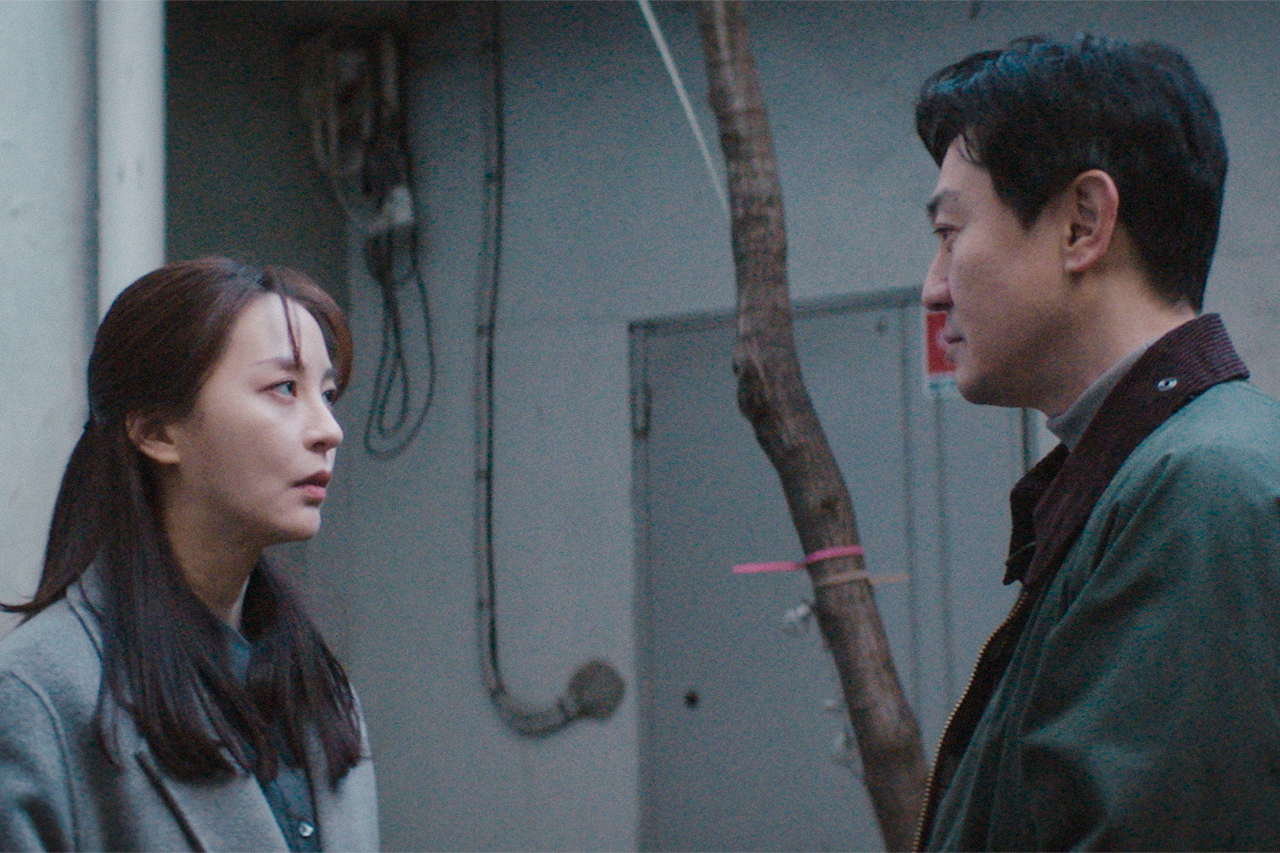
Yuna (Oh Ah-yeon) is a claims adjuster, jaded to the bone, drifting through life without evident purpose. Stone-faced and unyielding, she is well-suited to the work that demands sniffing out fraud and detecting falsehood from the pleas of those angling for a payout. Behind that hardened exterior, however, her life is besieged by a series of tragedies: her father, a serial con man who didn't care much about his family, lies unconscious in a hospital bed after a devastating stroke, having bequeathed only a seemingly worthless plot of land. Her mother toils full-time to settle his debts and clings desperately to superstition, seeking her husband's recovery through shamanic rituals that Yuna finds unbearable. When a colleague abruptly quits her job, Yuna inherits a curious case: a man who drowned, apparently by suicide, and who designated a stranger as his life-insurance beneficiary.
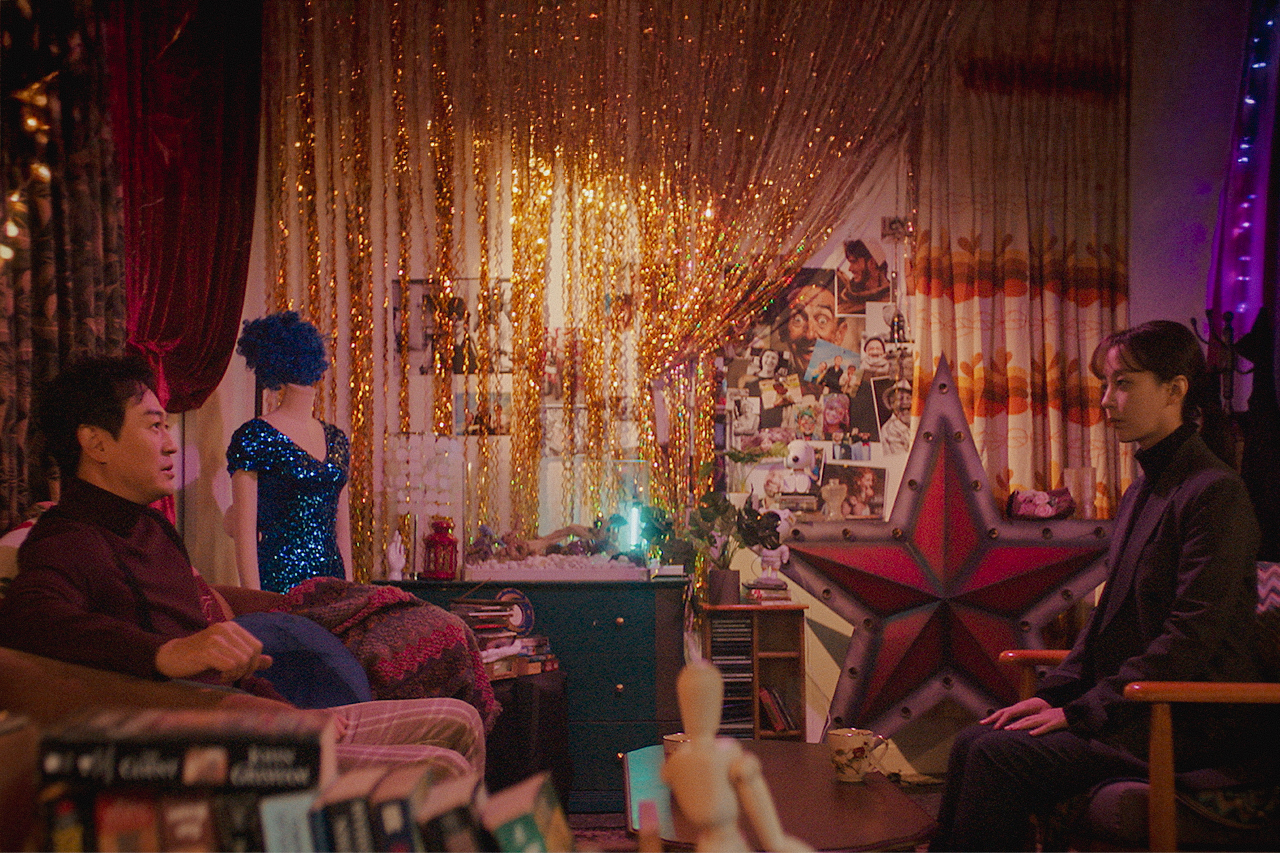
The stranger turns out to be Soon-gyu (Park Yong-woo), a comedian and self-styled "laughter therapist" who purports to heal trauma through humor and gag routines. His demeanor is all unnerving ambivalence — part snake-oil salesman, part charming mentor, at once slimy and disarming, amusing yet faintly grotesque. At their first meeting, he launches into a bizarre performance, contorting through strange gestures and crawling across the floor; Yuna watches, unimpressed.
As she probes deeper, she discovers people who regard him as a kind of guru and depend on him for emotional relief through intensive consultations and talk therapy. These encounters often take the form of role-playing — dramatic reenactments in which Soon-gyu embodies the perpetrator or the figure his patient despises, inviting them to unleash their fury upon him. Yuna takes him with a grain of salt at first, but with her own vulnerabilities laid bare — her mother's reliance on superstitious ritual reaching a breaking point, her own guilt and hatred toward her father festering beneath the surface — she finds herself drawn into the strange ministrations of this enigmatic figure.
Structurally, "The Nonsense" operates squarely within the conventions of the commercial thriller and is a fairly transparent one at that. The gaslighting of the vulnerable by charismatic charlatans is well-trodden territory, a staple of pop culture and the stuff of countless headlines. The seams occasionally show in the script: There are moments when the screenplay comes off a bit too porous, the pacing languid, especially in the expository first half. But filling these obvious gaps is the sheer force of the performances, a mesmerizing sleight of hand that persuades the viewer that the suspension of disbelief is worth the effort.
What gives the film its peculiar discrepancy between structure and texture, between conventional framework and a truly bizarre psychological suspense, is first and foremost the work of the cast.
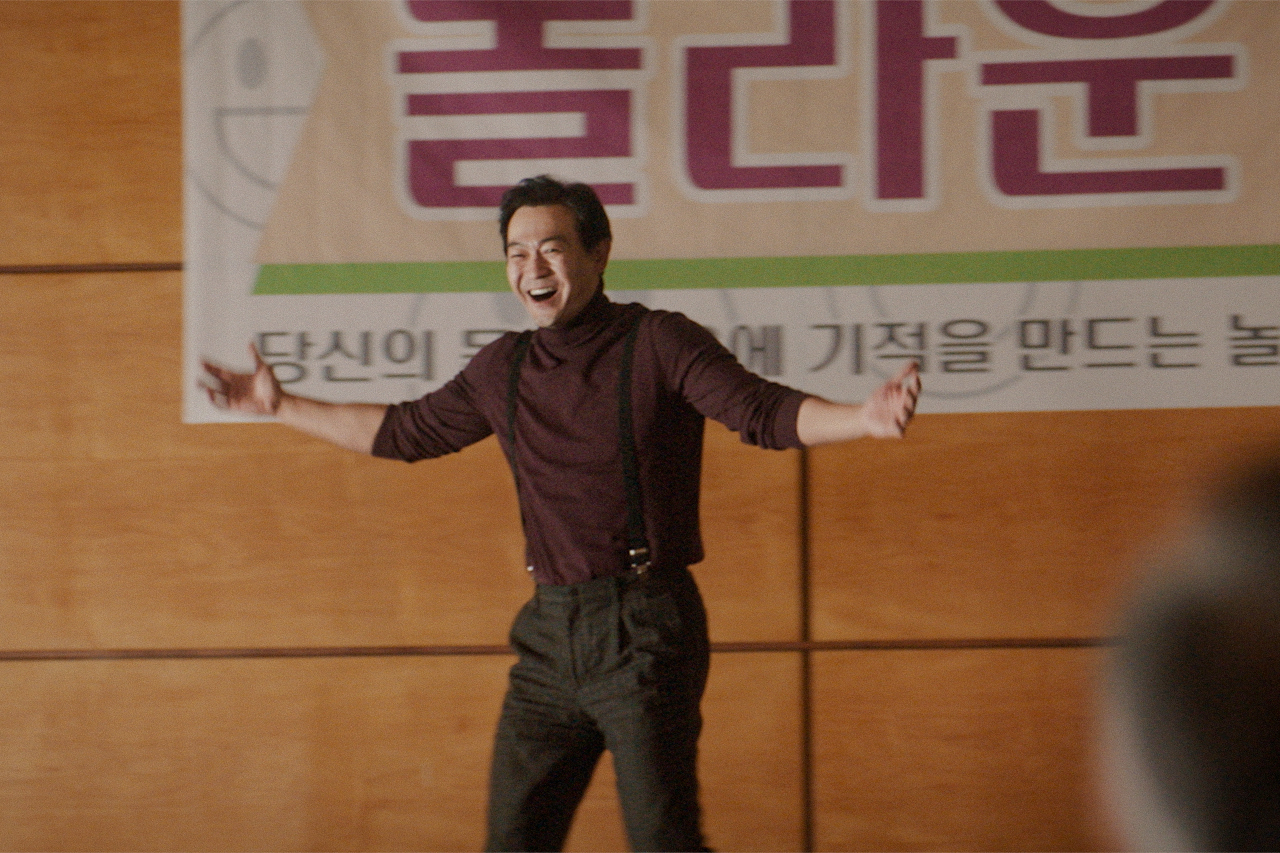
Park Yong-woo, who plays the perpetually inscrutable Soon-gyu, is one of those faces you've probably glimpsed here and there in movies and television dramas over the decades. He's an industry veteran who's taken central but never quite starring roles. Most recently, he appeared in Disney+'s "Hunger with a Scalpel" as a serial killer disguised as a benign laundry owner and as the ruthless cop-villain in "Walking on Thin Ice."
His performance here, however, is so chillingly ambiguous that it feels almost revelatory. Park's cavernous eyes, set deep beneath a placid brow, possess a hypnotic depth; you find yourself drawn in against your better judgment, even as you suspect him of being the architect of everything sinister.
Extended sequences of his impromptu consultation sessions, captured in long, unbroken takes, have a theatrical quality, and Park single-handedly sustains the tension as he seamlessly shifts between tormentor and protector within the dramatized routines. We know he is no man to be trusted, yet cannot help asking: Is he simply exploiting the vulnerable, or is there some perverse form of care at work? For one thing, Yuna herself seems to find a measure of calm after an intense session with Soon-gyu, suggesting something beyond manipulation might be at play in these encounters.
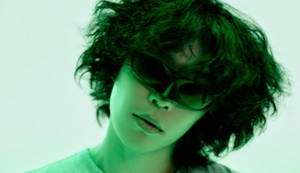
Meanwhile, the cinematography does much to deepen the film's unsettling mood. First-time director Lee bathes his frames in sickly greens and twilight oranges, with Yuna often positioned in pools of light while the spaces Soon-gyu inhabits are shrouded in shadow. As the narrative progresses, the two characters are rendered in complementary colors that gradually blend as Yuna opens her heart. Though subtle, it is a visual correlative for her psychological entanglement.
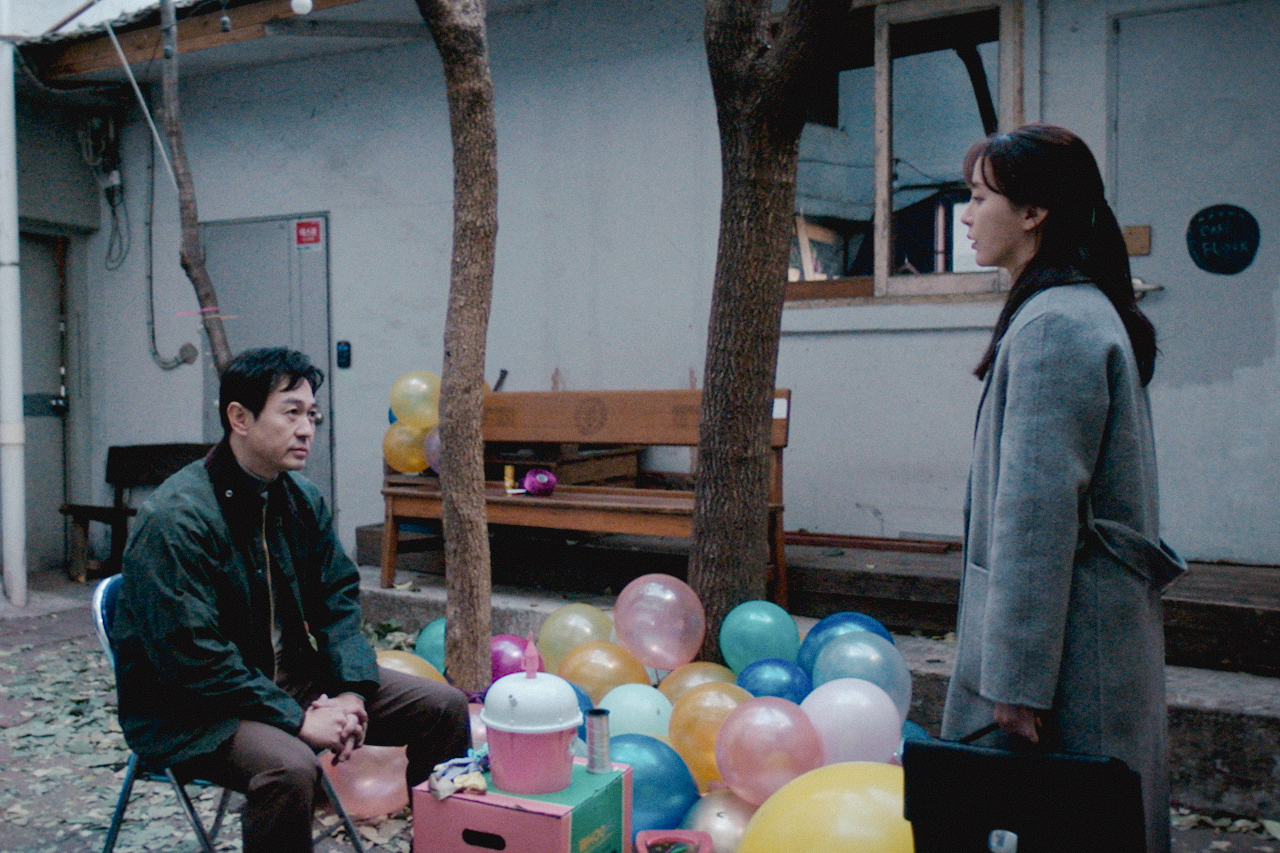
The performances alone would have made "The Nonsense" an enjoyable diversion — the equivalent of an airport novel you can finish without stopping during the flight. But there is another dimension that renders the film singular, if not universally enjoyable. Thrillers that have become classics of cinema — whether the work of Hitchcock or Resnais — are not simply procedural constructions that withhold information at the right moments and time revelations correctly, assembled like a well-wrought watch. Rather, they are films that gesture toward the ineffable quality of existence that evades the easy answers the genre purports to deliver. What Lee Je-hui is reaching for through this dizzying procession of psychological gamesmanship seems to intimate something along those lines, more capacious than the workings of the thriller and all the more intriguing for it.
That quality is laid out plainly in the title itself: the nonsense, the absurdity of life in which nothing is entirely true and everything remains possible, where a Kierkegaardian leap into the void becomes the only recourse when reason fails, however misguided such faith may be. The insight is certainly not for everyone. Perhaps it is something appreciated more by nihilists and cynics than by ordinary viewers seeking fun. But one cannot deny the refreshing ingenuity of it all, especially when clothed in the guise of a conventional mystery.
At a press conference before the film's release, Lee told reporters that he drew inspiration from documentaries about religious cults. Watching them, he found their beliefs totally incomprehensible, and he wondered how anyone could fall for such things. But for the believers themselves, their faith seemed utterly sincere. That chasm between the observer's incredulity and the believer's conviction was where he first conceived of the word "nonsense," he said. In fact, the film seems to suggest that there is a tragicomic dimension to those who succumb to manipulation so completely that they name the guru figure as the beneficiary of their insurance contracts.
Faith possesses its internal logic, however deranged it may appear from the outside. Yet what proves truly unsettling is not simply that such gullibility exists, that it can befall anyone made fragile by loss or worn down by grief. It is rather the irony of the human condition itself — that such descents can seem so credible, so understandable, even as their emotional undertow remains forever out of grasp for everyone involved. In its deliberate layering of ambiguities and orchestration of sympathies, the film seeks to implicate its viewers in that very condition.
It makes sense, then, that the film's most psychologically gripping moments carry a tinge of true comedy. Soon-gyu's hollow one-liners punctuate his interactions at odd intervals, landing with jarring dissonance, compounding the suspense with an almost unbearable unease. His office, crammed with strange contraptions a clown might employ, is scored with silly jingles from a children's show — a backdrop that lends the charged encounters an almost suffocating grotesquerie. Above all, in an audacious directorial choice, the film's central confrontation, when Yuna faces Soon-gyu for the first time in earnest, unfolds over a game of Pop-up Pirate. And then there is the ending, which upends Yuna's and her family's woes in a manner so darkly ironic that it all but reduces the conflicts heretofore to a joke.
In "The Nonsense," it is not only the characters who are complex and opaque, even to themselves; it is life itself writ large, which is a tragedy when lived through but a comedy when viewed from a distance.
There is another peculiar thing about the film: its marketing. A small-budget independent production with scant publicity, its promotional materials feature director Park Chan-wook's endorsement front and center. Park, behind such acclaimed works as "Oldboy" and "The Handmaiden," reportedly praised the film as "truly unique, unconstrained by genre conventions."
Though it may be a stretch to draw comparisons between a first-time director and an established auteur, it is easy to see why Park took notice and went out of his way to champion "The Nonsense." Park's films may not fall neatly under the category of crime thrillers, but his 2022 opus "Decision to Leave" took the form of a romantic mystery that used the whodunit as a springboard for something far more elusive — the incomprehensibility of desire, the impossibility of truly knowing another person. It was a classic example of genre as vessel, employing a standard police procedural to arrive at the ambiguity at its core.
Lee's work in "The Nonsense," though not without its imperfections, aspires for similar heights, gesturing toward that same unknowable terrain through its insistence on the irreducible strangeness of our beliefs and the cruel ironies of existence.
"The Nonsense" opened in theaters Wednesday.
moonkihoon@heraldcorp.com