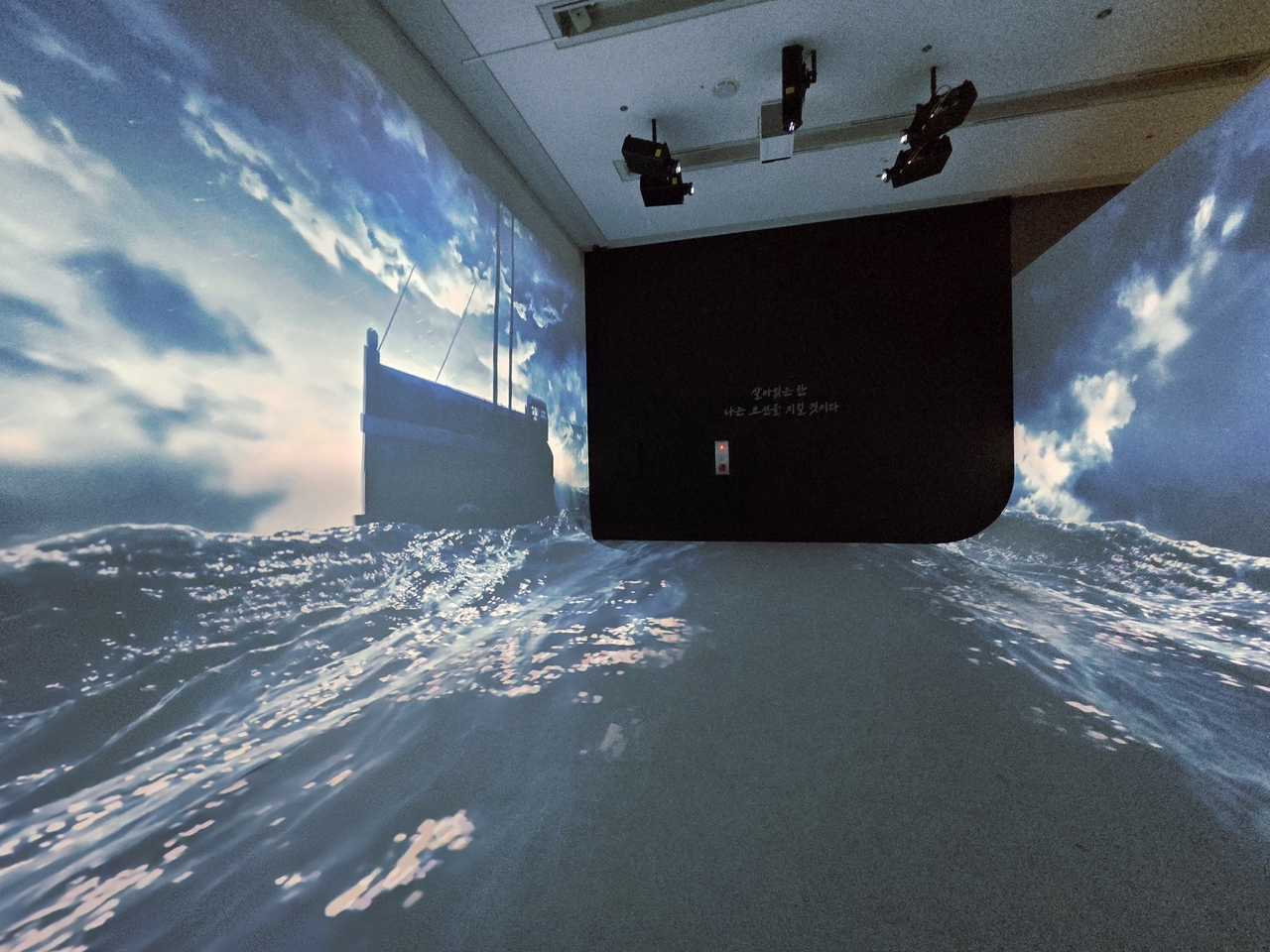
When King Seonjo in the Joseon era (1392-1910) determined that the kingdom's naval forces could not defeat Japanese forces in 1597 during the Imjin War, Korean naval commander Admiral Yi Sun-sin (1545-1598) left the famous words: “Your Majesty, we still have 12 ships left.”
Yi led Korean forces in the Great Battle of Myeongnyang against the Japanese navy, which had deployed 133 vessels to waters off Jindo, while Yi commanded only those 12 ships and one more. The battle was a watershed moment that turned the tide of the seven-year Imjin War, which began in 1592.
The Imjin War was triggered by invasions by Japan, which had strengthened its military and economic power through active trade and communication with Western countries. Admiral Yi, who was killed in the Battle of Noryang — the war’s final naval clash — played the pivotal role in leading Korean forces to victory.
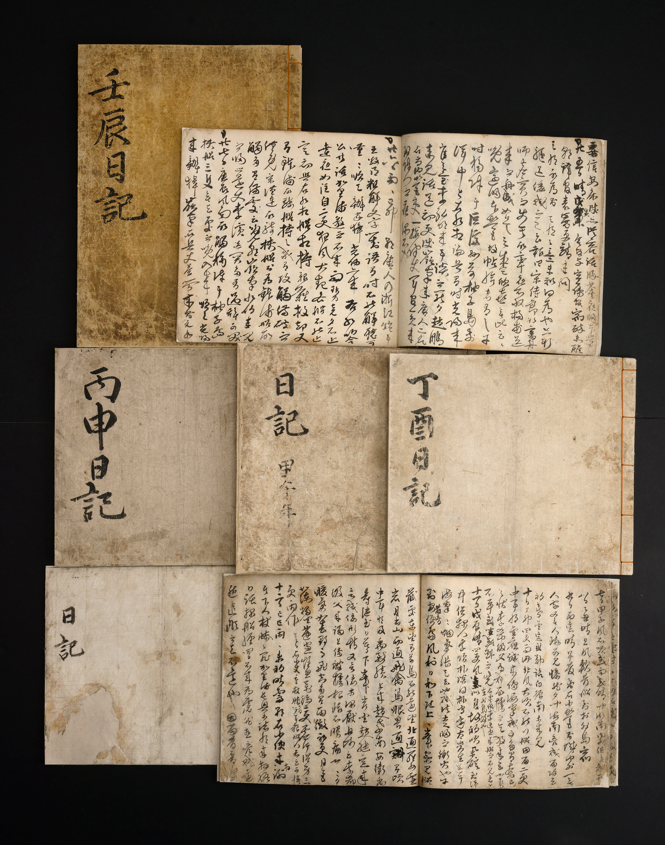
The National Museum of Korea’s exhibition “The Great Admiral Yi Sun-sin” is a first-of-its-kind presentation of Yi’s legacy through 369 artifacts, including six National Treasures such as the handwritten diary “Nanjung Ilgi.”
The diary is a contemporary record of the Imjin War, as Yi wrote an entry almost every day, expressing his responsibilities and struggles as a commander as well as his longing for family.
“We all face many hardships and trials in life, and I hope the exhibition offers strength through his courage and virtues. Yi wrote about those who stayed with him until the end of each battle, and their stories also form the foundation of the exhibition,” said curator Seo Yun-hee on Thursday.
Among the artifacts are 34 relics from Yi Sun-sin’s family on display for the first time, many of which are designated as Treasures, according to the museum.
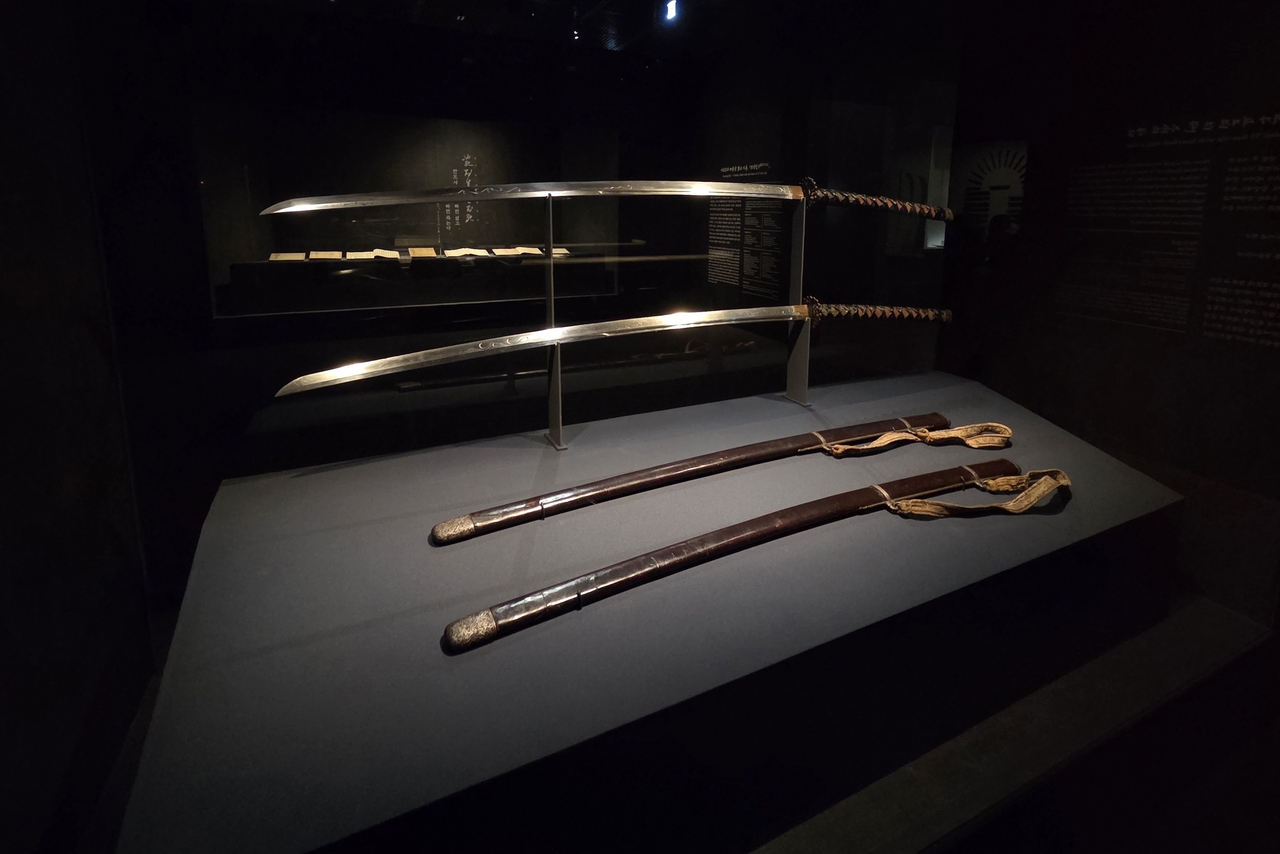
“Having all of these artifacts gathered in one place feels like a miracle,” the curator said. “We have never had so many in Seoul, and this is the first time Yi Sun-sin’s relics have been presented here in full.”
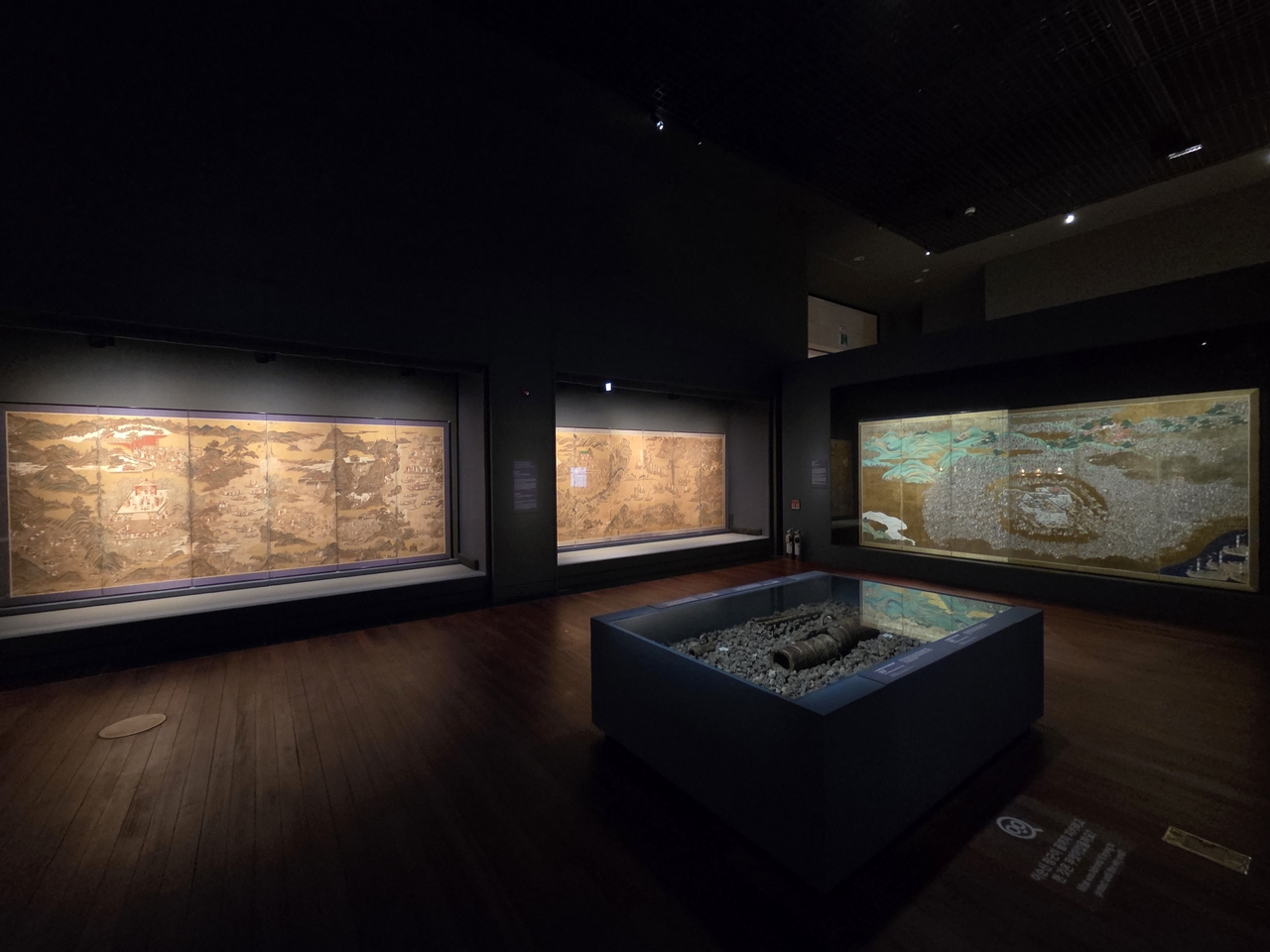
Some of artifacts from Japan related to the Imjin War are part of the exhibition. The traditional folding screen vividly depicts the battle between Joseon and Japanese forces that took place from 1597 to 159 at the Ulsan Japanese Castle, traces of which remain in Ulsan. The folding screen is part of the collection of the Museum of Chokokan Nabeshima in Japan.
Nabeshima Naoshige, Japanese warlord of the Sengoku and early Edo periods, participated along with his son as a relief force in the first battle of Ulsan, and the folding screen was produced to commemorate Japan's victory in the battle.
It was in 1878 that Admiral Yi was introduced to the West by a British diplomat, William George Aston, who translated "Jingbirok" into English. The memoir of the Imjin War was written by Ryu Seong-ryong, who was in charge of both domestic and military affairs as the chief state councilor during the war.
Yi's name appeared again in 1899 in the Harper's New Monthly Magazine as the American missionary Homer B. Hulbert introduced Yi's "Geobukseon" as the world's first ironclad ship, according to the archival materials on view at the museum.
The exhibition runs through March 3, 2026.
yunapark@heraldcorp.com