Behind Korea’s glowing skin ideal lies a growing concern about off-label glutathione injections

By Morgan Norris
I walked into Olive Young, often dubbed the “Sephora of Korea,” and asked which products they’d recommend for skin whitening. After visiting multiple branches across Seoul from Gangnam to Myeongdong, one product kept surfacing as a recommendation: glutathione.
Initially known for its antioxidant and detoxifying properties, glutathione gained traction in Korea during the 2010s, hyped by influencer endorsements and aggressive marketing. Intravenous, oral and topical forms became widely available, with IV drips being the most popular. Olivia Choi, founder of Seoul Beauty Global, a company offering beauty services for foreign visitors, used to get glutathione injections regularly.
“Everyone gets it, to be honest. Most just go during their lunch break instead of eating,” Choi said. “It only takes an hour, and I felt so rejuvenated.”
She has now stopped taking the injections. “Because I was afraid of getting addicted,” said Choi. “Some people do, and a lot of people take it for the whitening purpose.”
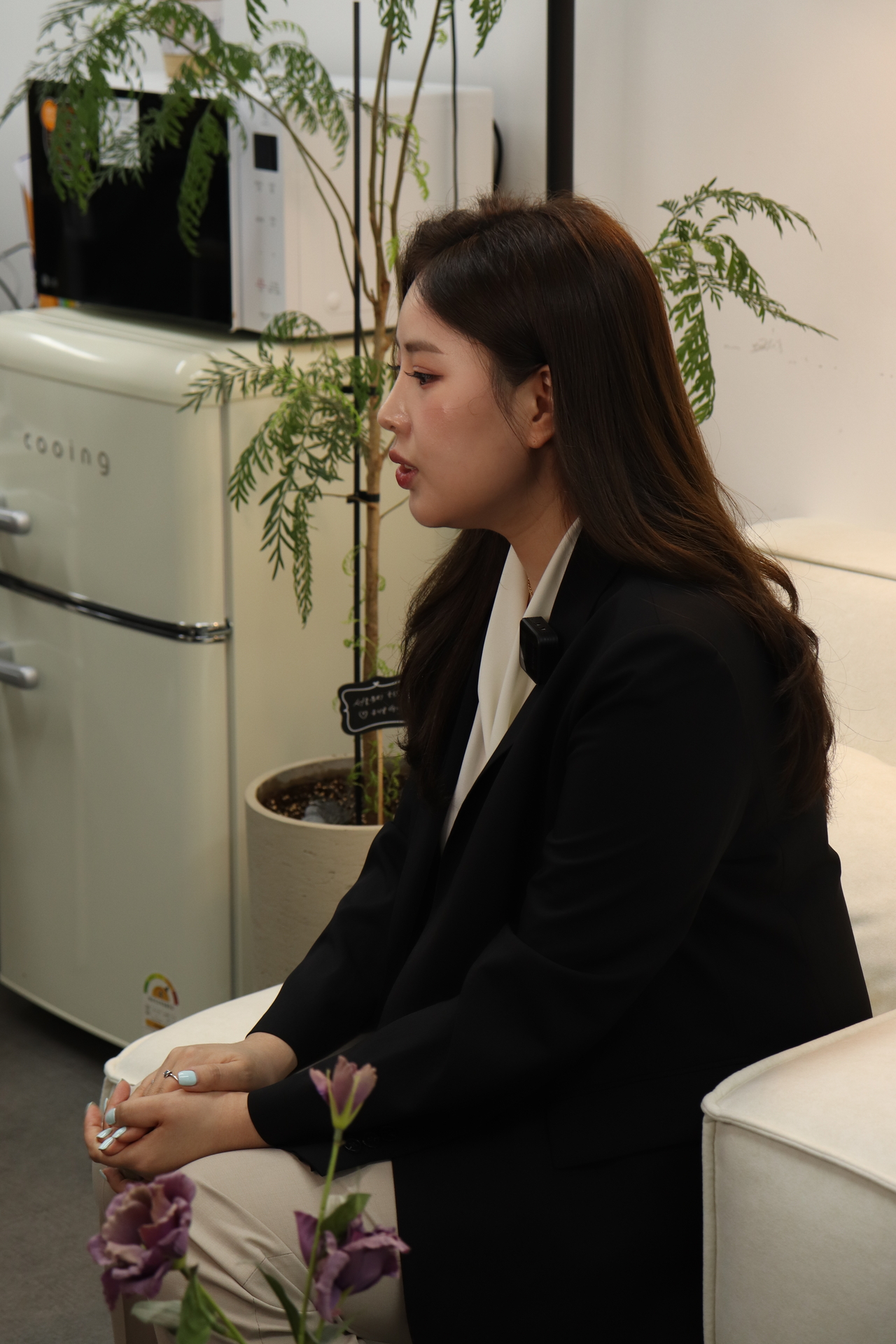
In Korea, pale skin has long been associated with beauty, and glutathione has become a shortcut to achieving that ideal for consumers desiring K-beauty worldwide. Over three dozen Korean people and foreigners I spoke with referred to it as a “whitening drip," or mibaek jusa.
How did its reputation for skin whitening spread so far? Social media.
“They name it Cinderella, Snow White, Beyonce for marketing purposes,” said Choi. “It’s cheap too. Only 30-100 bucks.”
While Beyonce, the American pop star whose radiant skin K-beauty insiders often credit to glutathione, has helped popularize the glutathione drip overseas, in South Korea, the treatment is more commonly linked to IU, a K-pop star. The singer became the face of the treatment after her widely circulated before-and-after photos showed a dramatic change from her once tan skin to a noticeably fairer complexion. Countless beauty influencers now promote whitening shots using her images across social media.
Quinn Lin, a Chinese American former K-pop trainee, began using glutathione after seeing IU’s purported before-and-after photos.
“I immediately saw a change,” Lin said. “Everyone used to say I looked Filipino, but when I started using it consistently, I got so pale I couldn’t even be out in the sun long anymore.”
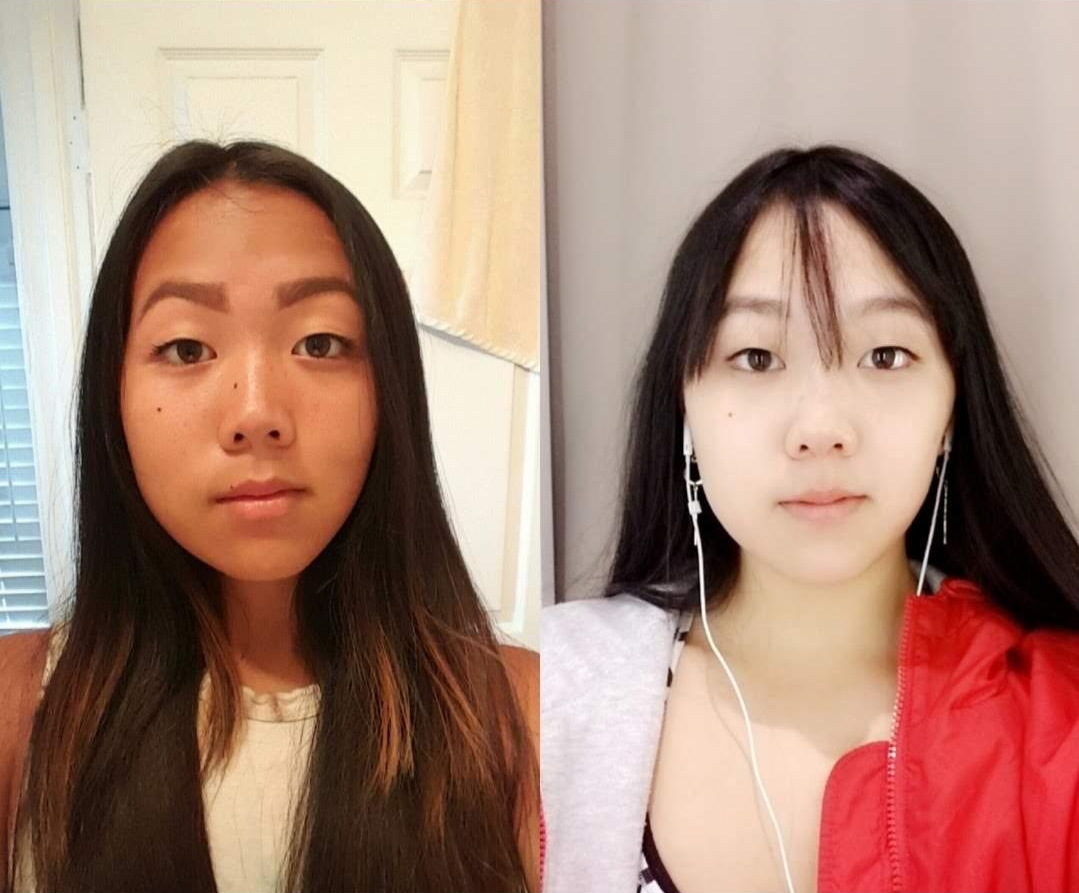
Lin’s experience reflects how K-pop idols often embody Korea’s ideal beauty image, influencing global perceptions and driving demand for whitening products. “I wanted to look the way that everybody idealized,” she said, listing whitening sunscreens, double eyelid tape, and facial massages among her routine.
“I even have a ring light that purposely makes me appear whiter,” Lin said. “Idols use lighter foundations and edit their photos too.”
Board-certified dermatologists, however, condemn glutathione's reputation as a whitening shot.
Glutathione’s true identity

"If we use glutathione as needed, it’s a great antioxidant,” said Dr. Park Ji-youn, founder of Ozhean Skin and Plastic Surgery Network. “But using it to whiten skin is not recommended.”
Biologically, glutathione is a tripeptide composed of glycine, cysteine and glutamic acid. It’s naturally produced in cells and concentrated in the liver, where it helps detoxify and protect against oxidative damage. Its antimelanogenic properties shift melanin production from darker eumelanin to lighter pheomelanin, but have only minimal effects. Thus, whiter skin with glutathione requires a high dosage of IV treatments.
“Theoretically, glutathione can convert dark melanin into brighter melanin,” said Park. “But doing it too much, like once every 2-3 days, can cause renal issues or pressure on the nervous system.”
The World Health Organization has not issued universal dosage guidelines. But researchers warn that the amino acids in glutathione can interact unpredictably. Glutamate may overstimulate, triggering headaches and irritability. Cysteine can become pro-inflammatory, causing breathing issues and skin reactions. Glycine, usually protective, may paradoxically increase oxidative stress. In extreme cases, complications can lead to Stevens-Johnson syndrome or kidney failure.
Still, the practice of using glutathione for skin whitening persists, with IV glutathione being administered locally and shipped internationally.
According to Channel Network Asia, the Philippine Dermatological Society in 2018 documented at least 69 patients who experienced complications after IV glutathione use. In one case, the patient suffered acute kidney failure after three years of weekly glutathione infusions.
Due to safety concerns, countries such as the Philippines, the UK, Singapore, Malaysia, and the US have banned or issued warnings against intravenous glutathione.
South Korea’s Ministry of Food and Drug Safety classifies glutathione as a prescription drug for specific medical purposes, such as improving liver function in patients with drug or alcohol addiction or preventing neurological complications during cancer therapy. Advised dosage, in severe cases, is 600-1200 mg administered via intramuscular injection or intravenous drips.
Cosmetic injections administered at dermatology clinics or general medical offices are considered “off-label,” meaning physicians prescribe the drug for conditions without officially approved indications.
Misunderstanding, mismarketing and misuse
Tony Medina, CEO of Seoul Guide Medical, believes mistranslations have fueled the trend.
In Korean, “whitening," or mibaek is often used interchangeably with “brightening,” which lacks a direct translation. “It can be misconstrued,” Medina said. “I can easily see how social media took this and turned it into an issue.”
“The whole goal for Koreans is to be even-toned, so they just go lighter instead of darker,” said Medina. “Koreans say whiter because their skin tone is obviously closer to the color white.”
He emphasized that sellers of IV glutathione exploit these mistranslations to market the antioxidant as a skin whitener successfully.
“I remember reading an article a long time ago about why thread lifting was banned in America. First, it was approved, then it was banned because there were several cases of it going wrong. Then it was approved again,” said Medina. “For glutathione, it is more on the political side, and the systems are not good enough in those countries to know how to use it properly.”
“If glutathione were not that popular and all the clinics and practitioners followed the guidelines within protocol in other countries, would the FDA ban glutathione? No,” said Julie Rhee, a Korean American pharmacist with a doctorate in pharmaceutical studies.
Rhee agrees that marketing plays a central role in the misuse.
“If it's not marketed as a whitening effect, people won’t get the treatment because detoxifying your liver is not good enough for sales. This is about a balance between efficacy, safety and business,” she said.
While Korean consumers may seek even-toned skin as their definition of whitening, the global market often interprets this as racial aspiration. Posts promoting “whitewashing” trends through K-pop idols, dramas, or AI filters on apps like TikTok are filled with debates between Asian and Western users.
Shin Dainn, a Korean beauty influencer on TikTok, posted a video titled “How to make my skin white,” featuring IU’s transformation and recommending oral glutathione. The video received thousands of likes but sparked heated arguments in the comments.
“Koreans don’t even care that much,” she said. “All the foreigners were saying glutathione wasn’t healthy and going back and forth about our preferences.”
Dainn insists that Korea’s preference for lighter skin is cultural, not racial. “It’s truly just between other Koreans, where we think whiter, brighter skin is more attractive because that’s what our noble ancestors had.”
Whiter skin for sale in a progressing world
Physique model Scarlet Park, who tans for body profile photoshoots, said she has embraced her darker skin tone and so have others.
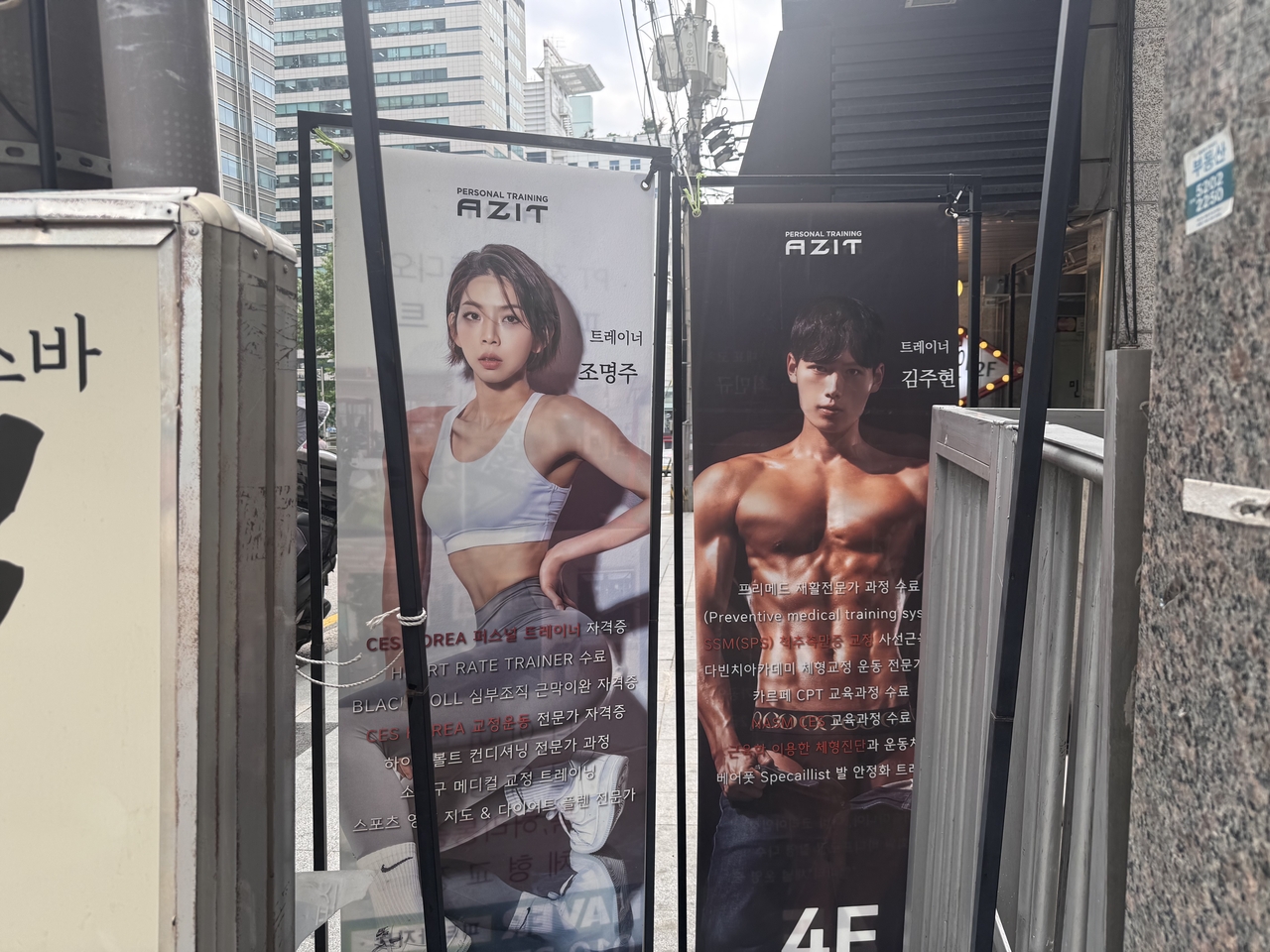
“I kind of gave up on having white skin,” she said. “Now people are starting to see that tan skin can also be healthy and beautiful.”
Leah Lee, a choreographer and founder of Everybody Dance, echoed this sentiment. After years of navigating rigid beauty standards, she’s closing her Daegu studio and returning to Canada.
“In Korea, every job for women wants every inch of your photo to be ‘tuned,’ like a work of art,” she said. “I don’t want to get used to that.”
As South Korea grapples with shifting beauty norms and increasing global scrutiny, the glutathione craze stands as a cautionary tale. What began as a medical antioxidant has been marketed as whiter skin for sale.
“I’m sitting in Gangnam right now, and so many advertisements about glutathione as a skin whitener surround us,” said a Korean woman who asked to go by Julia. “At some point, you think it’s normal. I think that’s the problem.”
But people in Korea also want to change, continued Julia. “Since there are lots of immigrants and foreigners starting to live here, we should change that mindset. It may take time, but I hope we do.”
Gwen Allen, Dongjune Lee and Seungeun Hong contributed to this article. – Ed.
The writer, Morgan Norris, is a master’s student and dean’s scholar at Northwestern University’s Medill School of Journalism and one of the 2025 Pulitzer Center Reporting Fellows, representing Hampton University. The original version of this article was published on the Pulitzer Center website. – Ed.
She can be reached at morgannorris.media@gmail.com – Ed.
khnews@heraldcorp.com