Expectant couples hit the road for belly shots and more, but experts warn of potential risks
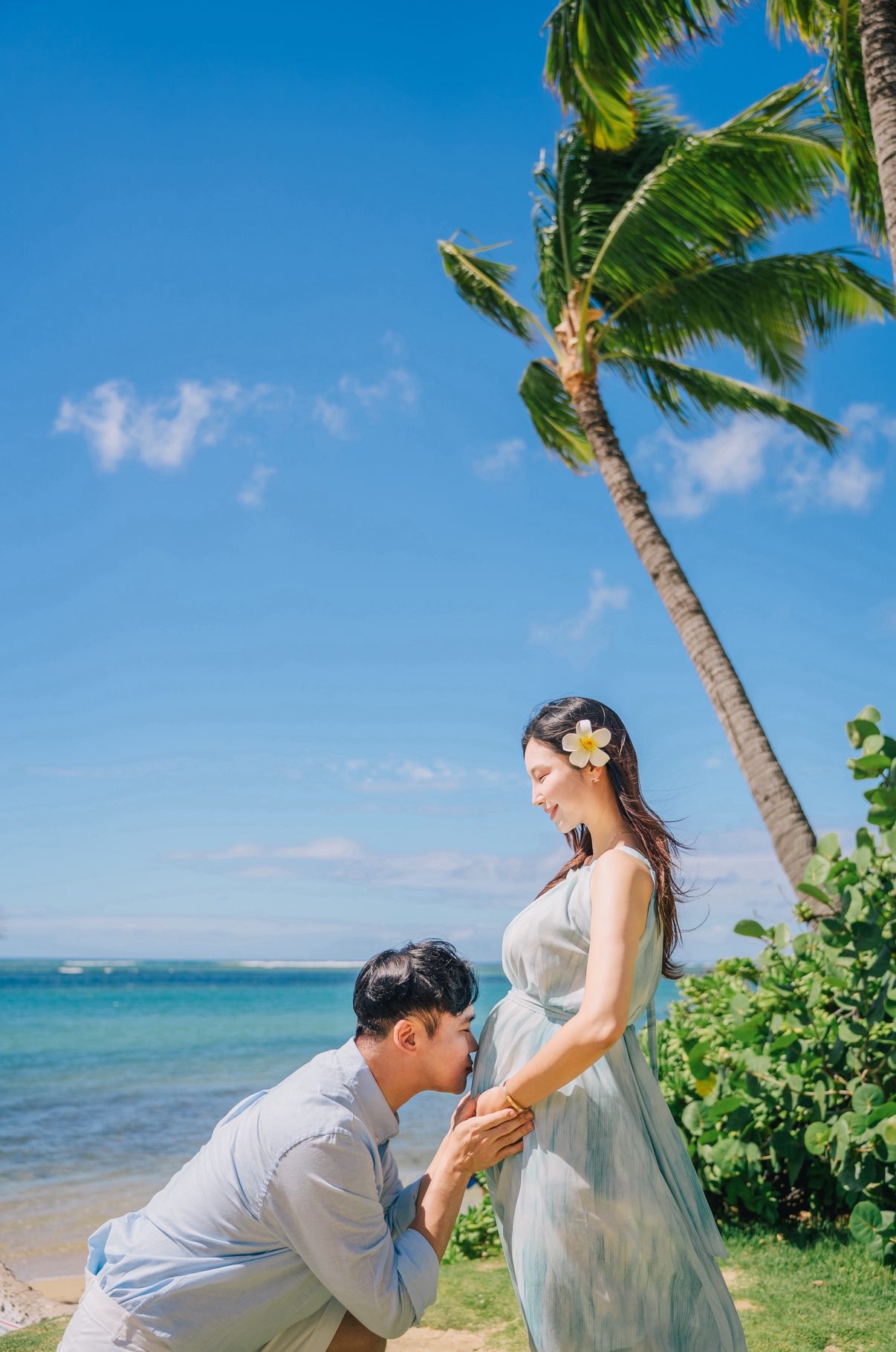
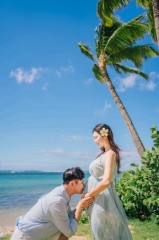
Pregnancy comes with a heavier belly, swollen legs, sore backs and hormonal mood swings. But for many mothers-to-be in South Korea, it also brings something else: the urge to splurge on an overseas vacation.
These "babymoons" first gained popularity here more than a decade ago, as a final getaway for parents-to-be before the round-the-clock feedings and sleepless nights begin. The practice has since become a rite of passage, much like a honeymoon for couples.
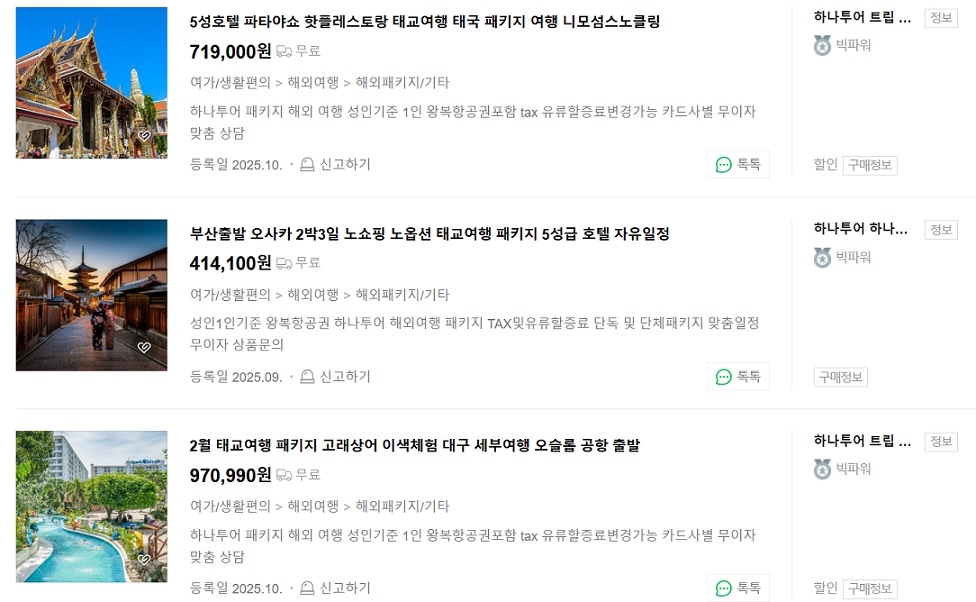
A quick search of “babymoon” on Instagram pulls up more than 831,000 posts. Many local travel agencies now offer babymoon-themed package tours, with itineraries designed to minimize physical strain and highlight wellness attractions for pregnant travelers.
Among the most popular destinations for this particular type of holiday are Guam, Bali, the Maldives and other Southeast Asian resort spots, favored for their warm weather, relatively short travel distances, and the convenience of all-inclusive resorts.
Japan has lately stood out as an appealing option as the weak yen allows Korean parents-to-be to buy high priced baby gear at lower prices than in Korea.
Tripp Trapp, the signature high chair from Norwegian premium brand Stokke, for example, costs around 600,000 won ($407) in Korea but can be found in the 400,000 won range at baby product retailer Akachan Honpo's branches in Osaka and other major cities, according to multiple posts on Moms Holic, the country’s largest parenting forum.
Luxury before parenthood
For many parents-to-be, a babymoon offers a valuable chance to prepare their mindset for the demanding early months of parenthood.
Jin So-young, 37, a mother in Seoul who gave birth to twins in August, traveled to the Maldives with her husband for a week in February, when she was six months pregnant.
They were willing to take the long 10-hour journey to the island, which has no direct routes from Korea, to savor their final quiet days for just the two.
“We chose a route where I could rest as much as possible during the layover. We talked about childbirth and parenting throughout the trip, and it helped us prepare ourselves as a team for what’s ahead. When our babies get older, I’ would love to take them there,” she told The Korea Herald.
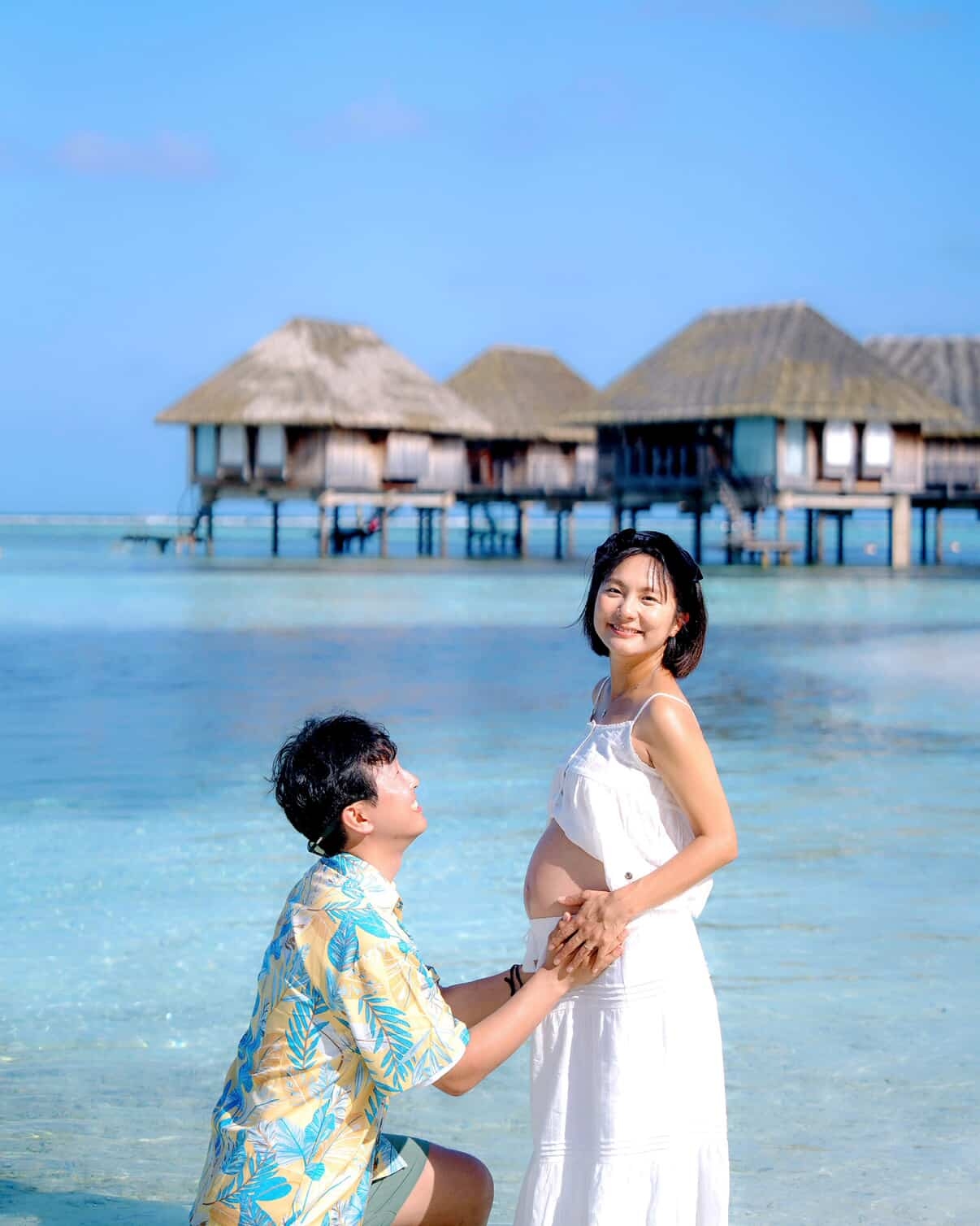
Unlike other couple trips, babymoons are typically planned around the tastes and preferecence of the expecting mothers, with the father often being supportive.
Lee Yea-hwa, a 33-year-old office worker who is six months pregnant and recently spent a week in Phu Quoc, Vietnam, with her husband, said there’s a strong tendency to treat a babymoon as a gift for the mother, who is expected to take on most of the early childcare.
“A babymoon is more than a vacation. It’s a small gift to myself before the challenges of parenting hit, and a source of memories I can rely on when childcare becomes overwhelming," Lee said.
She described the trip as payback in advance for the months she will spend at home alone with the baby while her husband works.
When both parents work, it is still usually the mother who takes parental leave to look after the baby. According to data from the Ministry of Employment and Labor, 41,829 men took parental leave last year, less than half the 90,706 women who did so during the same period.
For perfect belly shots
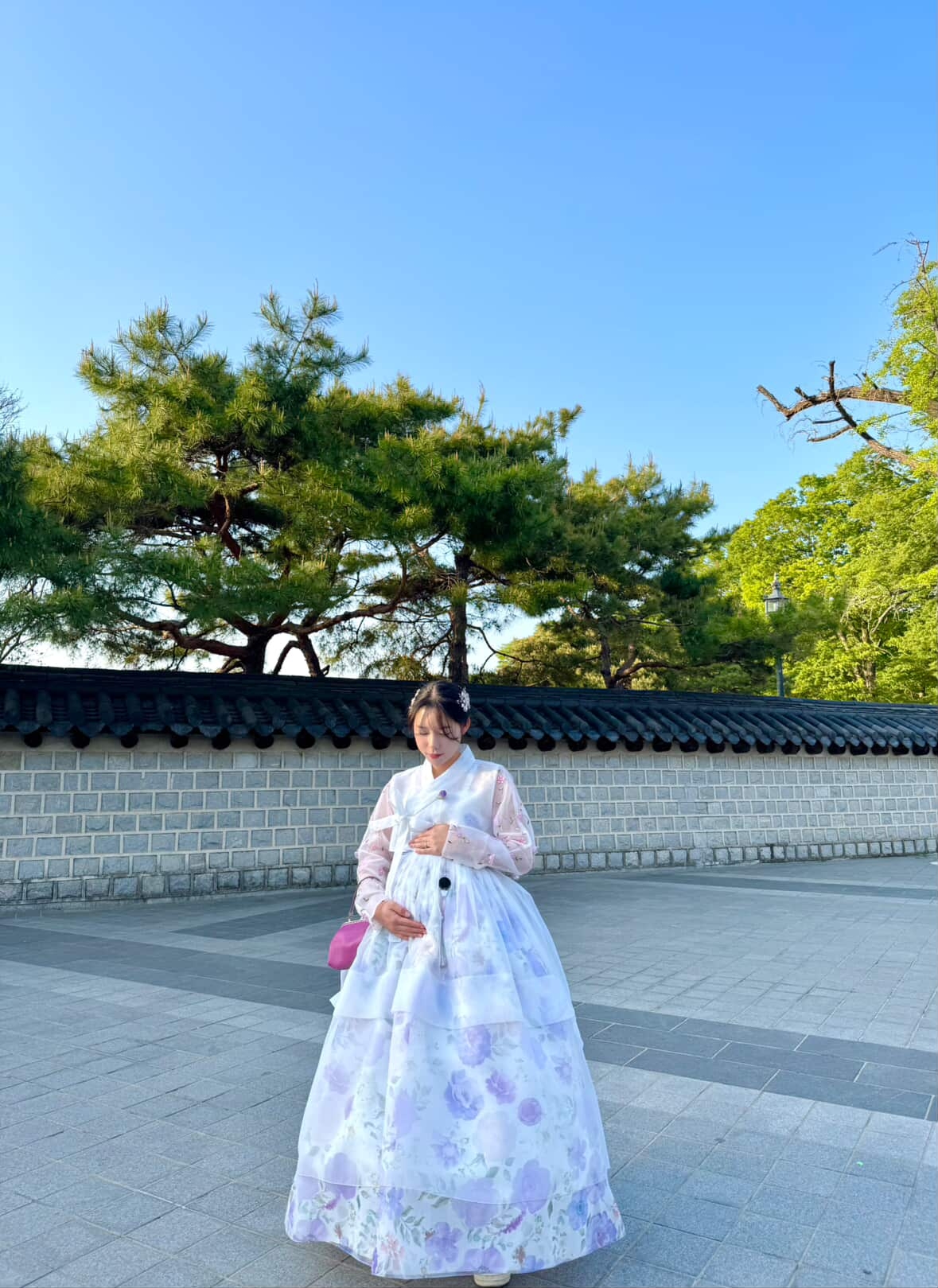
Among today's social media-savvy mothers, a babymoon often doubles as a photography trip.
Kim Seo-young, 25, who gave birth in July, took a two-day trip to Jeonju, North Jeolla Province at six months pregnant to shoot maternity photos.
“I chose Jeonju because I thought the photos would come out beautifully if I walked through its streets lined with old wooden houses while wearing hanbok (Korea’s traditional dress),” she told The Korea Herald.
“My bump was beautifully rounded at that time, so I wanted to take lots of photos on the trip. When our baby grows a little older, we plan to revisit the same places in the same outfits to take the photos again as a family of three.”
Although Kim did not hire a professional photographer on that trip, many babymooners do, planning in advance the look and location of their photoshoot in advance.
On travel platform MyRealTrip, dozens of overseas photography providers that specialize in snap photo services for Korean travelers, especially newlyweds on their honeymoons, are selling package options tailored to babymooners.
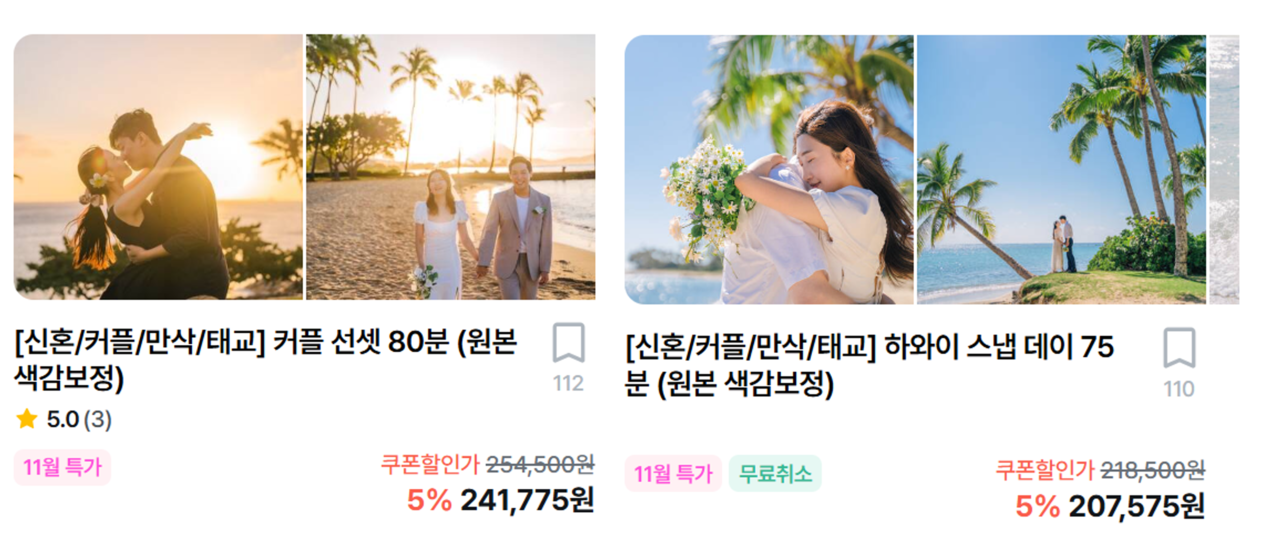
One studio in Hawaii rents out maternity dresses and provides playful props, including toppers that count down the days to the due date. Hana Tour, South Korea's largest travel agency, like many other firms, provides outdoor snap-photo sessions in their Southeast Asia and Japan packages, using local professional photographers to capture maternity shots at key sightseeing spots.
“It cost more, and I had to pack pretty much everything, from maternity dresses and comfy shoes to a body pillow, but honestly, I have no regrets,” said Jin, who hired a photographer during her babymoon on the Maldives.
'Part of prenatal education'
The Korean term for a babymoon is a "taegyo" trip, with taegyo meaning “prenatal education."
Although its educational benefits don't have a scientific basis, Korean parents have long believed that what a mother sees, hears and learns during pregnancy can influence the baby’s emotions or intelligence to some degree.
Kim Eun-hye, a 34 year old expectant mother in Incheon who is due on Dec. 31, has traveled four times in the past six months to Hawaii, Japan, Jeju Island and Jeongseon in Gangwon Province, hoping to offer her baby a variety of sensory experiences.
Reflecting on her trip to Hawaii in August, Kim told The Korea Herald, “Looking out at nature and swimming in the emerald sea made me feel more connected with my baby in that peaceful setting, something I could not experience in the city."
"I also liked that I could offer the baby various forms of stimulation, from natural sounds and fresh air to beautiful scenery.”
Risks remain
While going overseas during pregnancy is a personal choice, but there is also a growing concern that the flood of social media posts flaunting babymoons tends to gloss over risks involved.
Most parents usually take babymoons between weeks 15 and 28, which doctors view as a relatively stable period. Domestic airlines typically restrict pregnant passengers once they pass 32 weeks. Korean Air, for example, requires a doctor’s note stating the passenger is fit to travel after 32 weeks, and does not allow passengers who are more than 37 weeks pregnant.
But risks are always present during pregnancy, and exposure to unfamiliar environments while traveling can heighten them, according to Yoo Jung-hyun, an obstetrician at Bundang Jesaeng Hospital.
“A safe period doesn’t truly exist in pregnancy. While early miscarriage risk decreases after the first trimester, complications such as preterm labor, bleeding, or infection can occur at any time,” she said in a report.
“There are many cases where viruses are transmitted through contaminated water, and if a pregnant woman becomes ill overseas, it can be difficult for a foreigner to access proper medical care.”
It is not hard to find couples who experienced miscarriages during or after prenatal trips, even though the causes may vary.
One user on Korea’s largest online parenting forum, Moms Holic, who said she traveled to Guam at 21 weeks pregnant, wrote “During the trip, I suddenly couldn’t feel any fetal movement and started having stomach pain. I moved my flight up to return home early, but I eventually miscarried. It will be a lifelong trauma.”
cjh@heraldcorp.com