'This story is not only for Korean adoptees in Switzerland. It is for anyone who has been rejected, anyone who has been shamed.'
We rarely remember childhood with clarity.
What remains are flashes, blurred images capturing only that which faintly surfaces. The past does not unfold like a film with a neat beginning and end. That, perhaps, is the beauty of memory.
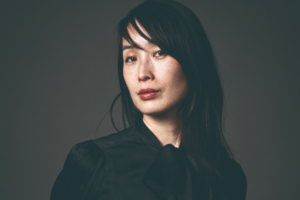
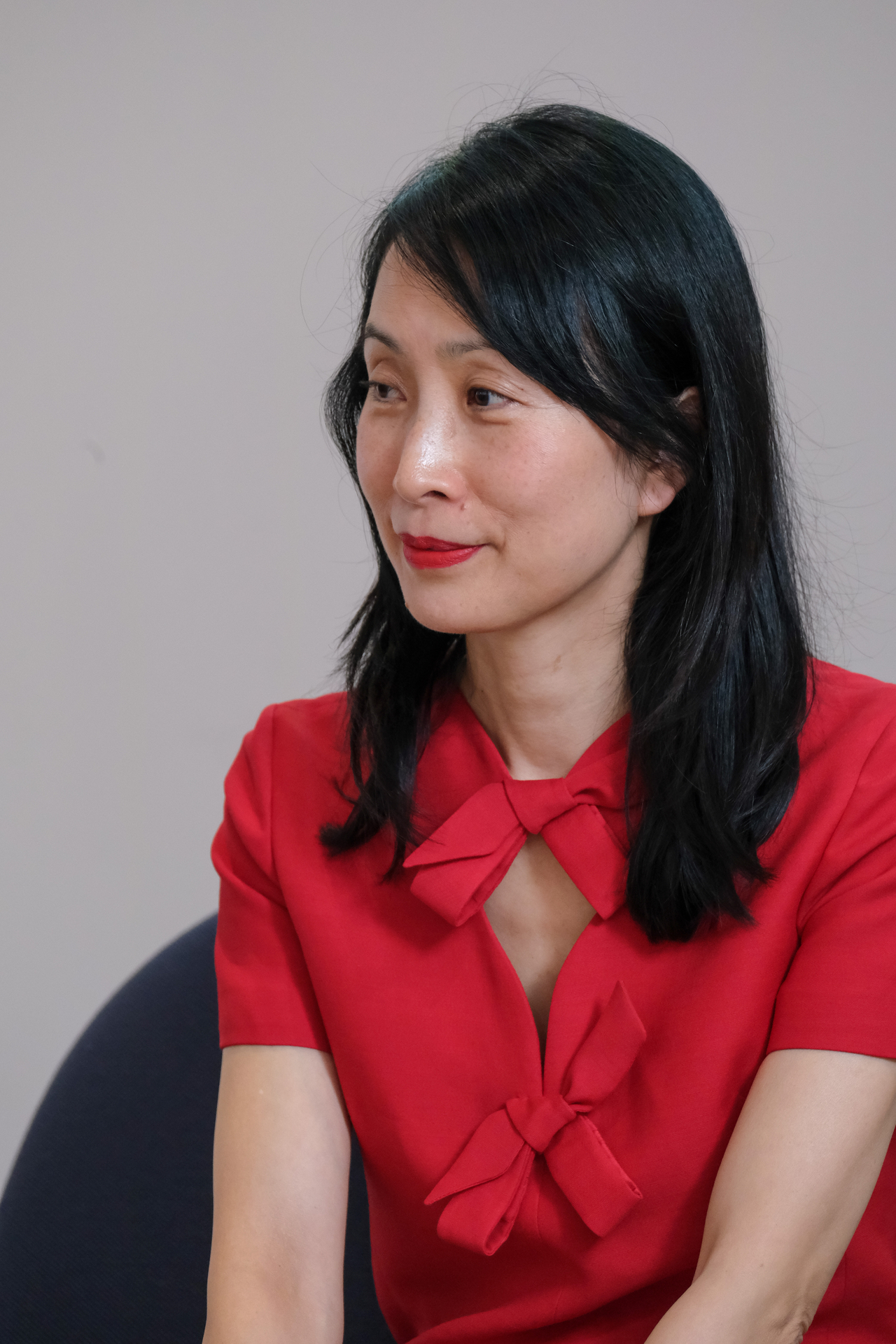
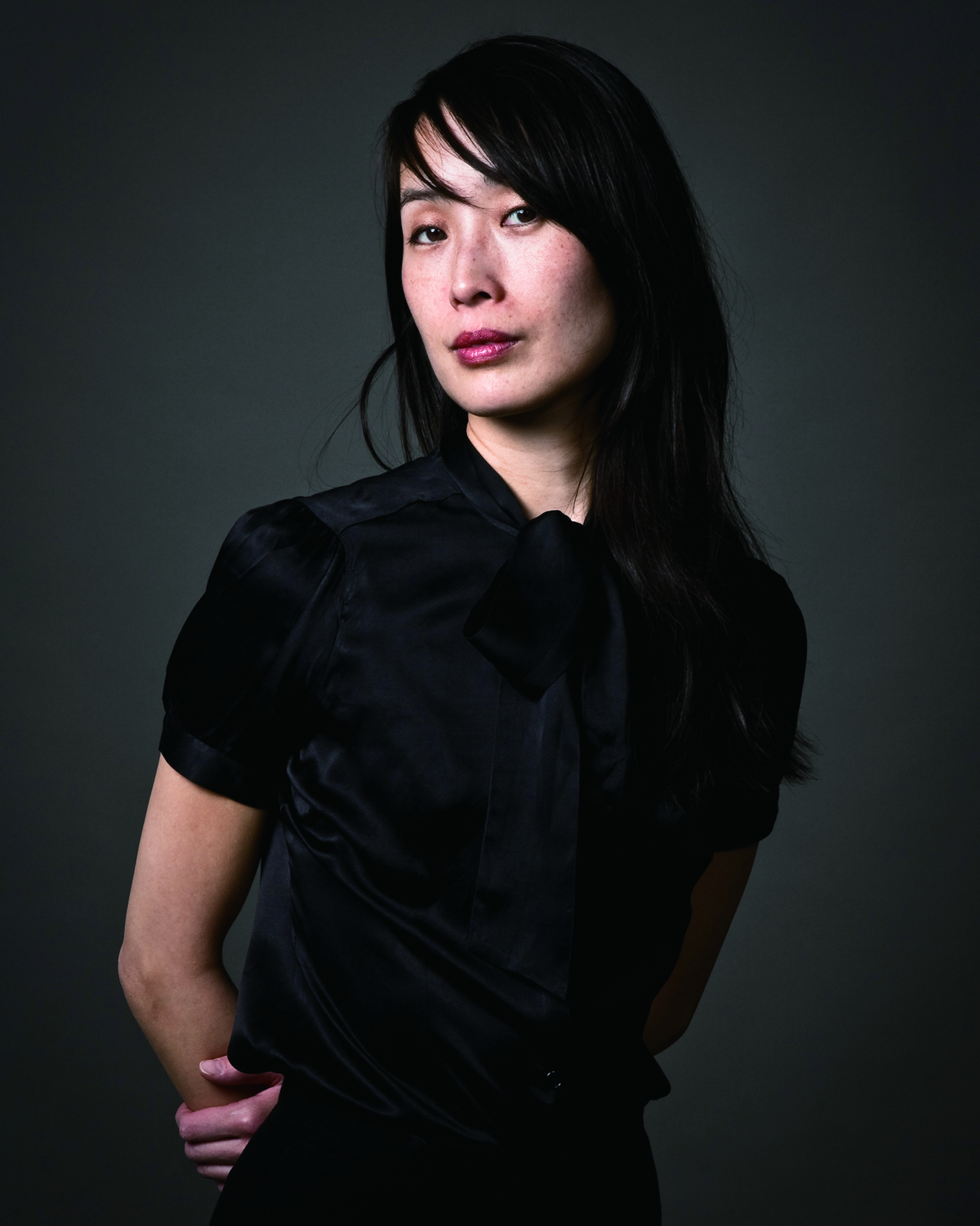
The same is true for Laure Mi Hyun Croset, a writer who was born in Korea and adopted to Switzerland at 10 months old.
Her early memories, too, resist coherence, surviving only as isolated images, blurred at the edges like “a scattered series of uneasy Polaroids strewn across a vast forest.”
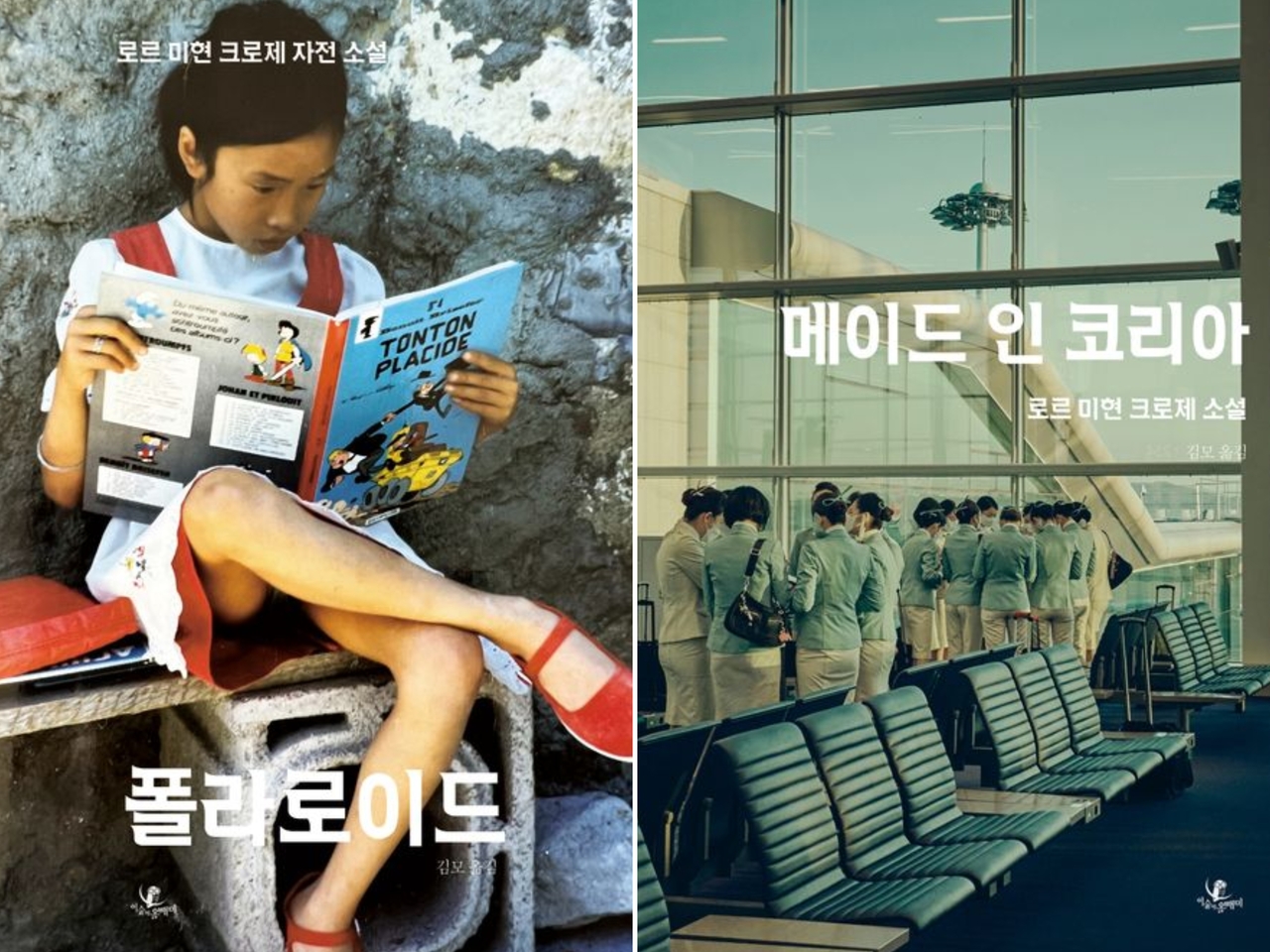
So she gathered the fragments of her life into a narrative stitched together. The result became her first written novella published in French, the autobiographical "Polaroids." The book will also be translated into Italian.
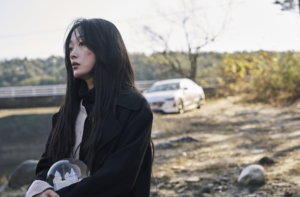
Croset writes that the first Polaroid remains forever blank. All that lingers is the faint image of a woman with long black hair, an apparition so hazy that she cannot tell whether it belongs to memory or to a dream.
The flashes continue: an empty schoolyard, a bunk bed at a summer camp, a friend’s birthday party, first love, dates and travel. The book unfolds as a collage of these moments, from childhood through adolescence and into her 30s. The vignettes are connected not by plot but by emotion.
The thread that binds them, she said, is shame.
“I first began writing 'Polaroids' when I was about 25. At that age, I didn’t really know the world, or other people,” Croset told The Korea Herald. “So I decided to write about the only thing I knew: myself. But I didn’t want to turn it into a glorious self-portrait.”
Instead, she wrote about humiliation, confusion and the slow, painful process of self-recognition as a Korean adoptee in Switzerland. The sense of dislocation was constant. Her French name did not match her Asian face, particularly in Switzerland during the 1970s and ’80s, and she faced misplaced assumptions and casual racism every day.
“My life was a series of misunderstandings,” she recalled. “On the streets of Geneva, strangers tried to sell me Swiss watches or greeted me with ‘ni hao,’ ‘sayonara’ or every Asian language. Even at university, professors would write Chinese characters on the board and look at me as if I should understand them. I didn’t recognize a single one.”
These experiences, she said, were painful precisely because they were so casual, but they also became her literary raw material.
“They taught me how it feels to be outside the norm. I think I can understand (people who don’t fit society’s standards) better because of this.”
The deeply personal book of self-discovery won Switzerland’s Academie Romande Yves Award in 2012. Yet Croset was careful not to present it as a personal confession.
“I drew on something that was really burning, really painful, so that it could become universal. This story is not only for Korean adoptees in Switzerland. It is for anyone who has been rejected, anyone who has been shamed.”
Writing it, she added, felt like a rite of passage.
“Once you expose your vulnerability, you feel liberated. I felt like a dancer stepping onto the stage naked for the first time. After that, you are no longer afraid of anything.”
Croset has visited Korea many times over the years, but her recent trip to Seoul, prompted by the Korean publication of "Polaroids" and "Made in Korea," felt different.
“I left this country as a poor little baby. I came back as a writer. This time, I wasn’t coming to search for my parents. I was coming to share my work with Korean readers. And that felt incredibly special.”
Coincidentally, along with her first novella "Polaroids," her latest novel, "Made in Korea" was also translated into Korean.
The story follows an overweight, socially withdrawn French man of Korean origin who, after being diagnosed with diabetes, travels to Korea in the wake of a health crisis. There, he begins practicing taekwondo and gradually reclaims both his body and his will to live.
If "Polaroids" is shaped by passivity in how the world looks at her, "Made in Korea" reverses the lens, according to Croset.
“It is the only novel of mine with a truly hopeful message. A man completely lost in the universe comes to Korea and finds purpose in his life."
Croset is keenly aware of the moment in which the book appears.
“Global enthusiasm for Korean culture has moved beyond products and entertainment,” she said. “It is now reaching lifestyle and the way people live. And I, too, as an adoptee, am ‘made in Korea.’”
If adoption left Croset suspended between nations, language became her home.
“I’ve always felt torn between Switzerland and Korea,” she said. “As a writer, I’ve come to a conclusion: it is French. Language is my identity.”
She added that her meticulous attention to style is inseparable from that philosophy.
One theme recurs across her work: the play of perception.
“We should never completely trust what we see. And we should never fully trust how we ourselves are seen. There is always something hidden behind appearances. That is what I enjoy exploring.”
Those explorations may soon deepen in Korea. Croset is considering a long-term literary residency — three months, perhaps a year — with plans to publish a short-story collection drawn entirely from life in Korea.
“I want to go deeper into society,” she said. “Into customs, daily rhythms and things you can only truly feel when you live in a place.”
hwangdh@heraldcorp.com

![[Exclusive] SK On fast-tracks pilot output in all-solid-state battery race](https://wimg.heraldcorp.com/news/cms/2025/11/18/news-p.v1.20251117.611a51c182b546348b32ccc3233f6193_T1.png?type=h&h=240)