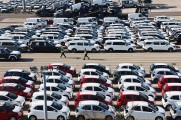
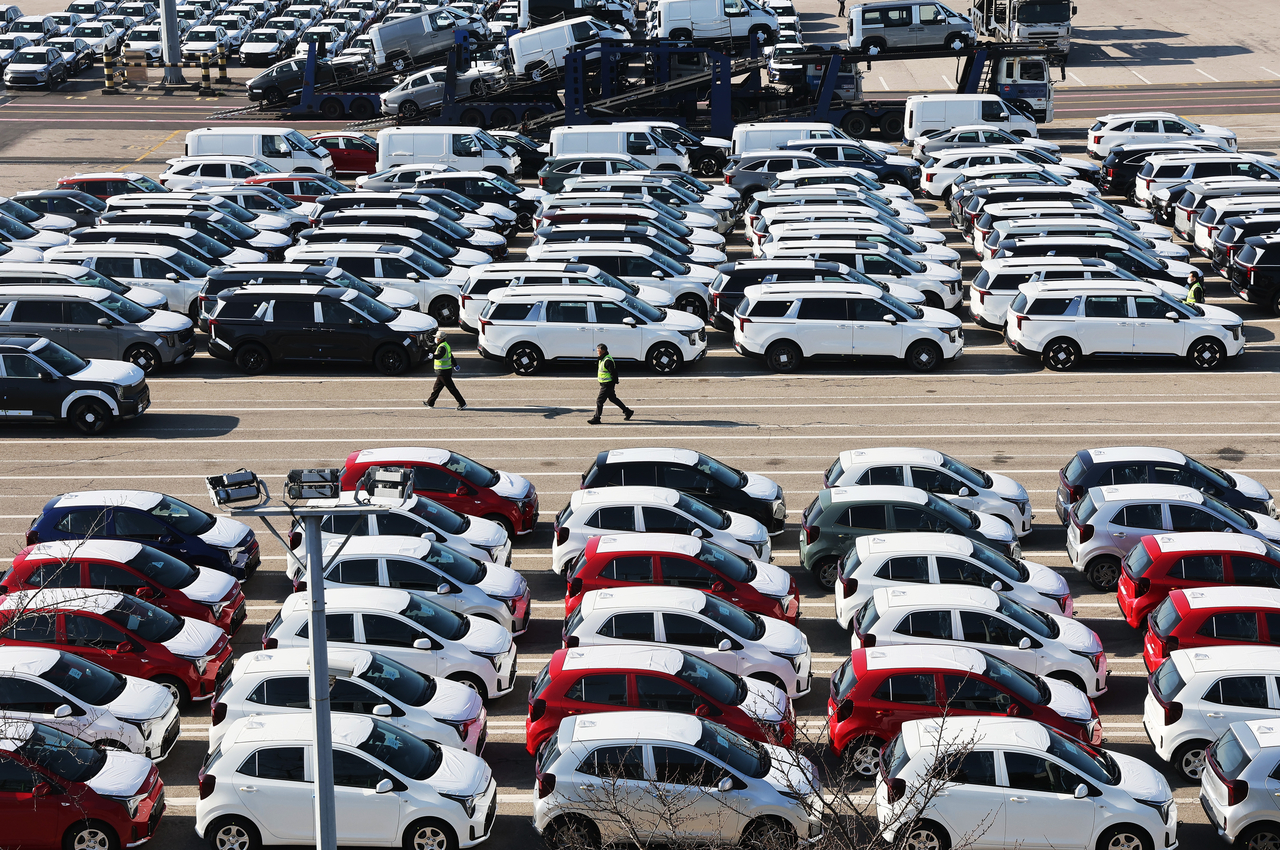
The US has confirmed it reduced tariffs on South Korean automobiles from 25 percent to 15 percent, effective retroactively to Nov. 1, a move expected to ease uncertainty and cost pressures for automakers such as Hyundai and Kia.
The reduced rate comes after Seoul on Nov. 26 introduced legislation in parliament tied to the country’s $350 billion investment pledge in the US, a prerequisite outlined in the bilateral memorandum of understanding signed on Nov. 14. The memorandum stipulated that tariff reductions were to take effect retroactively to the first day of the month that the investment-facilitating bill was submitted to Korea’s National Assembly.
The memorandum stems from the trade deal sealed at the Oct. 29 summit between South Korean President Lee Jae Myung and US President Donald Trump, where the two leaders finalized the details of the strategic investment framework and agreed to lower US tariffs to 15 percent, including those on automobiles.
In a statement posted on X, US Commerce Secretary Howard Lutnick said South Korea’s implementation of its strategic-investment legislation in parliament marked a “key step (that) ensures US industry and workers will see the full benefit” of President Donald Trump’s trade deal with Korea.
“In response, the US will lower certain tariffs under the deal — including auto tariffs to 15%, effective November 1,” the statement read. “We are also removing tariffs on airplane parts and will ‘un-stack’ Korea’s reciprocal rate to match Japan and the EU.”
On the day the bill was submitted, South Korea’s Industry Minister Kim Jung-kwan sent a letter to Lutnick notifying him of the bill’s introduction in the National Assembly and requesting swift publication of the tariff changes in the Federal Registrar, including the Nov. 1 retroactive date for autos and auto parts.
“Korea’s commitment to American investment strengthens our economic partnership and domestic jobs and industry,” Lutnick said. “We are also grateful for the deep trust between our two nations. I look forward to continuing to work closely with Seoul to build an even stronger and more prosperous future for both nations.”
The confirmation eases major uncertainty for South Korean carmakers that had faced 25 percent tariffs in the all-important US market, their largest export destination for automobiles. The adjusted 15 percent rate — though still higher than the zero tariffs under the previous free trade agreement — puts South Korean carmakers on par with Japanese and European rivals. It is expected to significantly reduce the cost burden for Korean carmakers going forward.
Shares of Korea's two biggest automakers reflected investor relief on Tuesday. Boosted by the tariff announcement, Hyundai closed at 266,000 won ($181), up 4.52 percent, while Kia gained 4.19 percent to finish at 117,000 won.
sahn@heraldcorp.com