The Organization for Economic Cooperation and Development on Tuesday maintained its growth forecast for the South Korean economy at 1 percent this year, while projecting an improvement in 2026, according to Seoul's finance ministry.
"Growth is picking up," the OECD said in a report released by the ministry, noting the country's real gross domestic product, a key measure of economic growth, is expected to weaken to 1 percent in 2025 before rising to 2.1 percent both in 2026 and 2027.
The latest 2025 projection is unchanged from the OECD's previous outlook in September and aligns with the Bank of Korea's most recent forecast.
The forecast is slightly more optimistic than the 0.9 percent growth projected by the South Korean government, the Korea Development Institute and the International Monetary Fund.
Although the OECD outlook for next year was revised down by 0.1 percentage point from an earlier projection, it remains 0.3 percentage points higher than estimates by the IMF, BOK and the Seoul government, which had projected 1.8 percent.
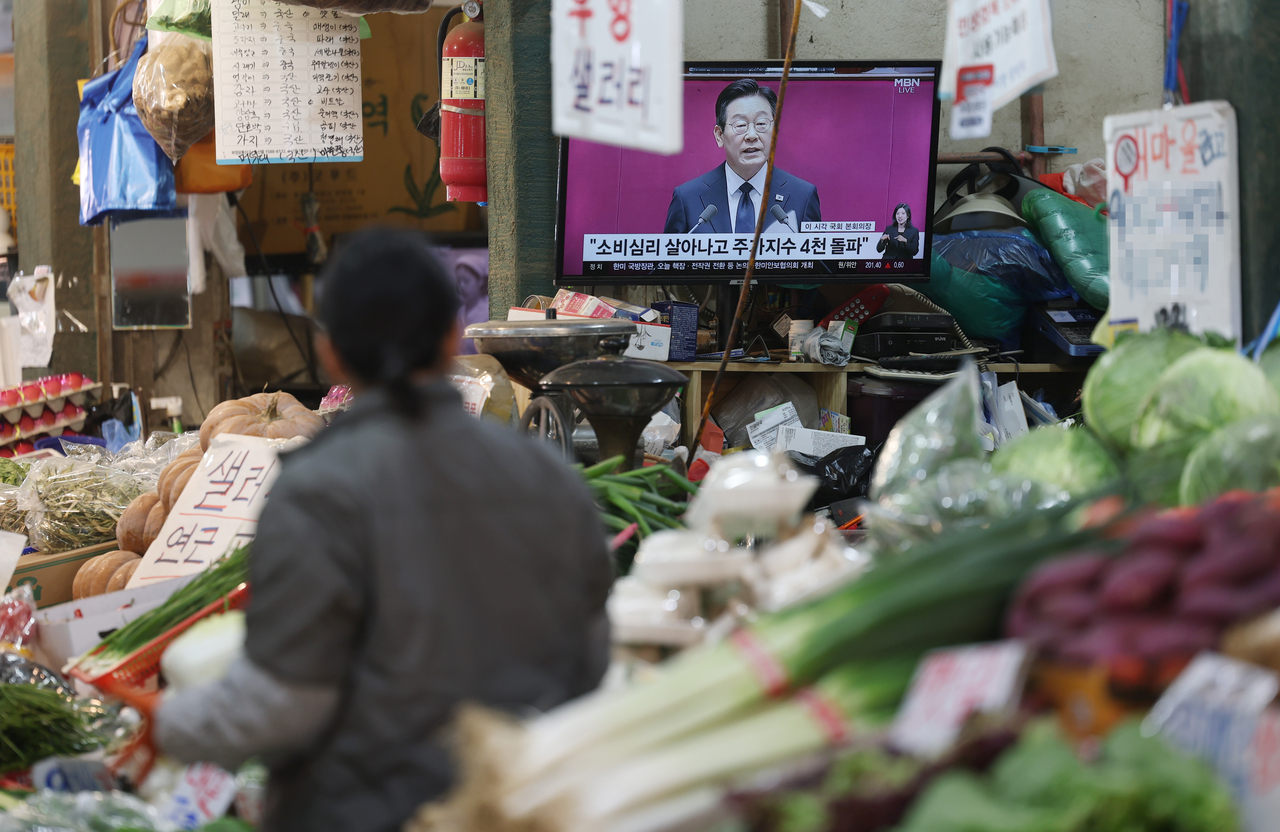
The OECD attributed the relatively positive outlook to South Korea's fiscal stimulus measures, including two rounds of supplementary budgets this year, totaling roughly 1 percent of the country's GDP.
"Around half of the stimulus came in the form of consumption coupons, providing a direct, though temporary, boost to growth," the OECD said.
The organization added that while the extra budgets offered ample fiscal support in 2025, they should be complemented by a sustainable, long-term fiscal framework.
The OECD also highlighted labor market trends, noting that increased participation by women and the elderly will expand employment, keeping the unemployment rate low.
Headline consumer price inflation is expected to remain close to the BOK's 2 percent target.
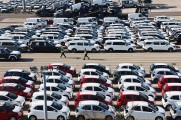
Exports are expected to support growth in the short term despite higher tariffs but may slow in the medium term.
"Uncertainty over tariff negotiations and structural shifts in global supply chains could weigh on exports and dampen business investment," the OECD said.
Regulatory reforms, including lowering barriers to trade and foreign direct investment, and opening heavily state-involved sectors to competition, could further boost growth.
The OECD added that growth could exceed projections if households spend a larger share of rising income and public transfers than currently assumed.
On monetary policy, the OECD said further easing could be warranted, given weak domestic demand.
However, it emphasized that "spending plans should be followed by a bipartisan commitment to putting public finances on a sustainable path." (Yonhap)