The National Palace Museum of Korea, located in Seoul at the main palace Gyeongbokgung, is celebrating two decades of conservation science with a major special exhibition, “Re:Born, Connecting Time Through Conservation Science,” running from Wednesday to Feb. 1, 2026.
The exhibition highlights the often unseen world of conservation labs, tracing 20 years of scientific preservation work conducted since the museum’s 2005 opening. The show positions conservation not as simple restoration, but as a scientific practice that extends the life of royal and imperial artifacts and connects their value to the future.
“This exhibition reflects on the history of our conservation science lab, which has scientifically preserved and studied royal heritage since our opening in 2005,” said Chung Yong-jae, director of the National Palace Museum of Korea, during a press briefing Tuesday. “It is incredibly meaningful to share the value of revived heritage with the public, especially at a time when conservation and scientific preservation have become essential fields for communicating cultural heritage.”
He added, “I hope this exhibition helps visitors understand the countless hours of accumulated expertise and the hidden dedication of conservators who work to bring artifacts back to life.”
The exhibition is divided into three sections.
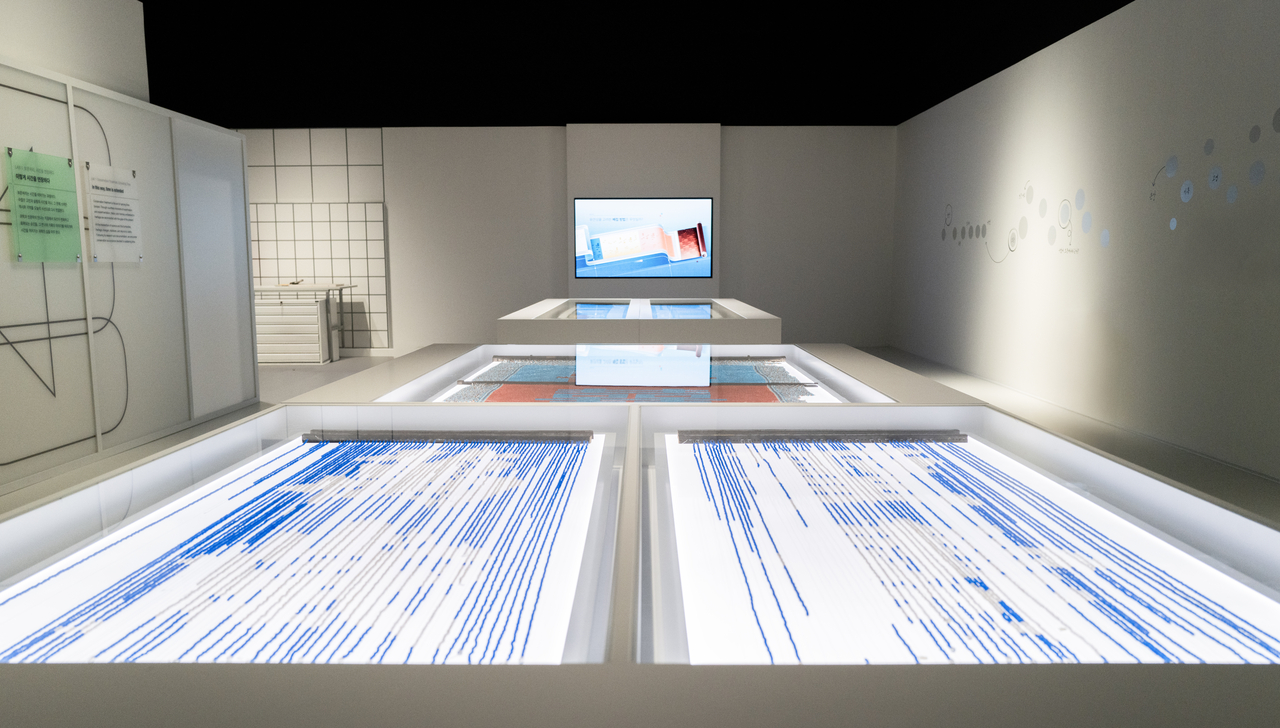
Lab 1: Extending Time presents the first public display of the Glass Beads Curtain, presumed to be from the Korean Empire (1897-1910). The beaded curtain, featuring geometric patterns and the Chinese character for “double happiness,” had severely weakened cords and missing beads. Conservators are reinforcing its structural threads to stabilize the object.
“This is an unusual case where an artifact midtreatment is being shown to the public,” said Lee Hyun-joo, a conservator in the collection management division. “We wanted to reveal how we weigh options and make decisions during the conservation process. Typically, only fully restored artifacts are exhibited.”
Other highlights include the retreatment of the Jar With Floral Design, preserved to improve structural stability and aesthetic integrity.
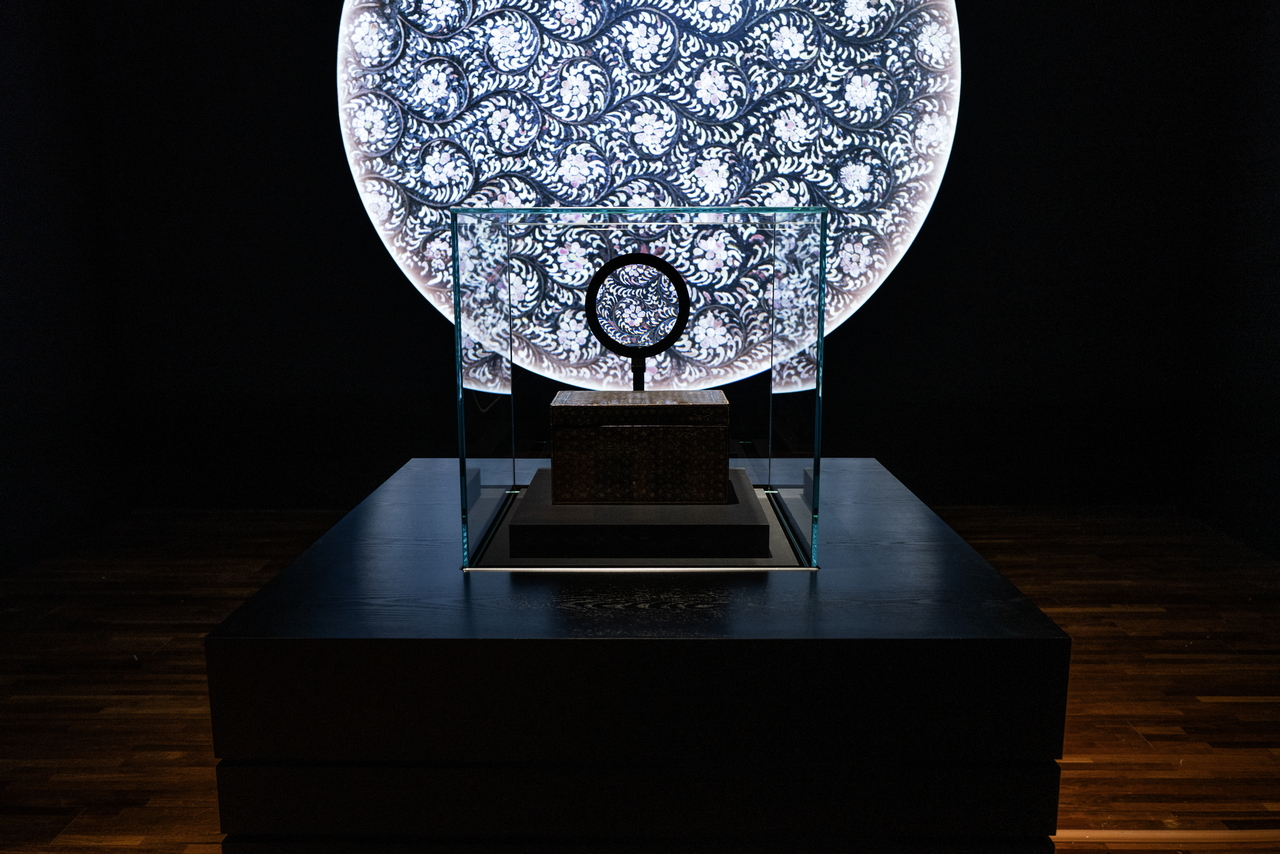
Lab 2: Illuminating Time features science-based investigations into the origins, materials and manufacturing techniques of major artifacts. Among the key pieces is the Box With Inlaid Mother-of-Pearl Chrysanthemum and Scroll Design, lacquerware from the Goryeo Kingdom returned from Japan in 2023. X-ray imaging and analytical methods revealed details of its construction.
Visitors can also explore analytical results from the Royal Seals of the Joseon Dynasty, studied through microscopy and radiography to identify materials and composition.
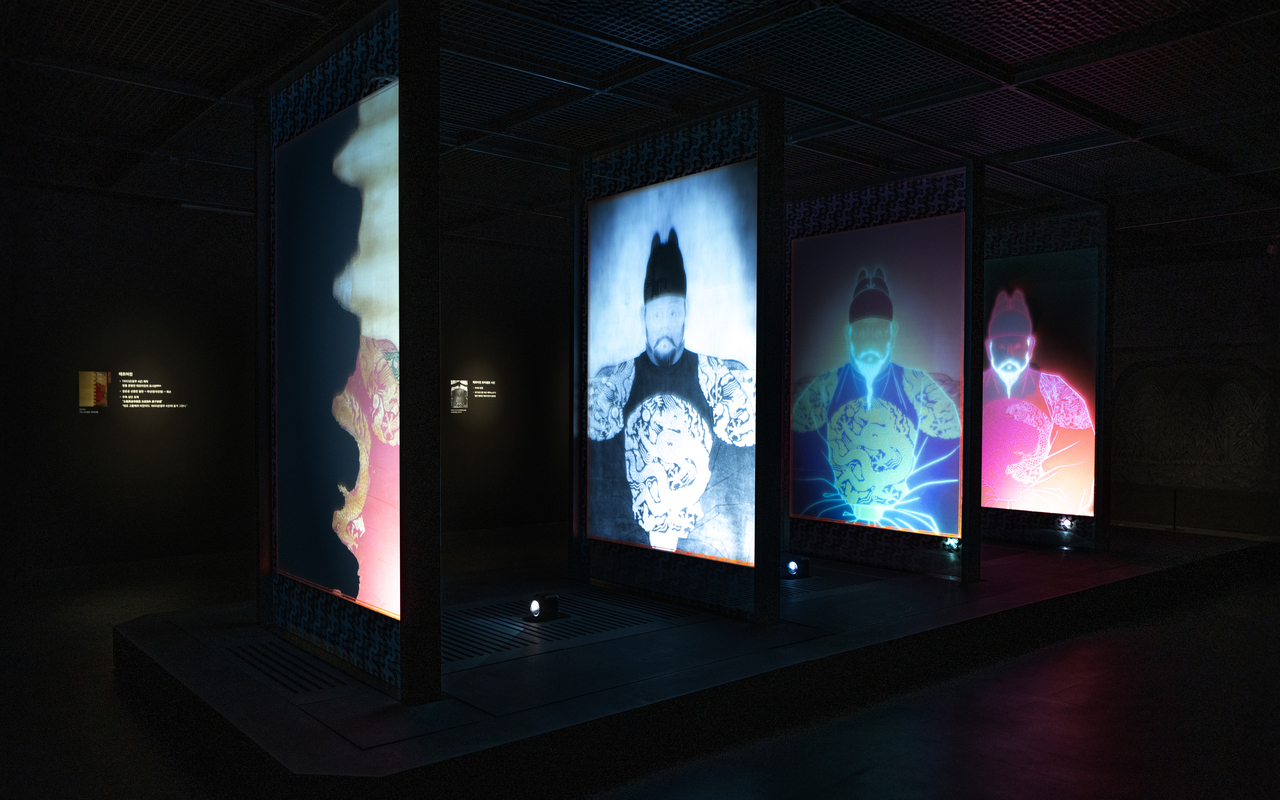
Lab 3: Reviving Time showcases the museum’s digital restoration of the Portrait of King Taejo, who founded the Joseon Kingdom in 1392. While only two versions of the portrait survive — the one enshrined at Gyeonggijeon in Jeonju, North Jeolla Province, and the partially burned version owned by the museum — conservators reconstructed the image using 1910s glass-plate photographs and comparative records. First restored digitally in 2013, the new exhibition reveals an expanded breakdown of the restoration process.
To help visitors understand conservation science, the exhibition provides complementary programs including three expert lectures and 12 children’s education sessions for students in grades four to six.
The National Palace Museum of Korea said it will continue advancing conservation research and digital transformation to expand the future value of royal and imperial cultural heritage.
yoohong@heraldcorp.com