New facility to produce 100 satellites per year, accelerating Hanwha’s private-space ambitions
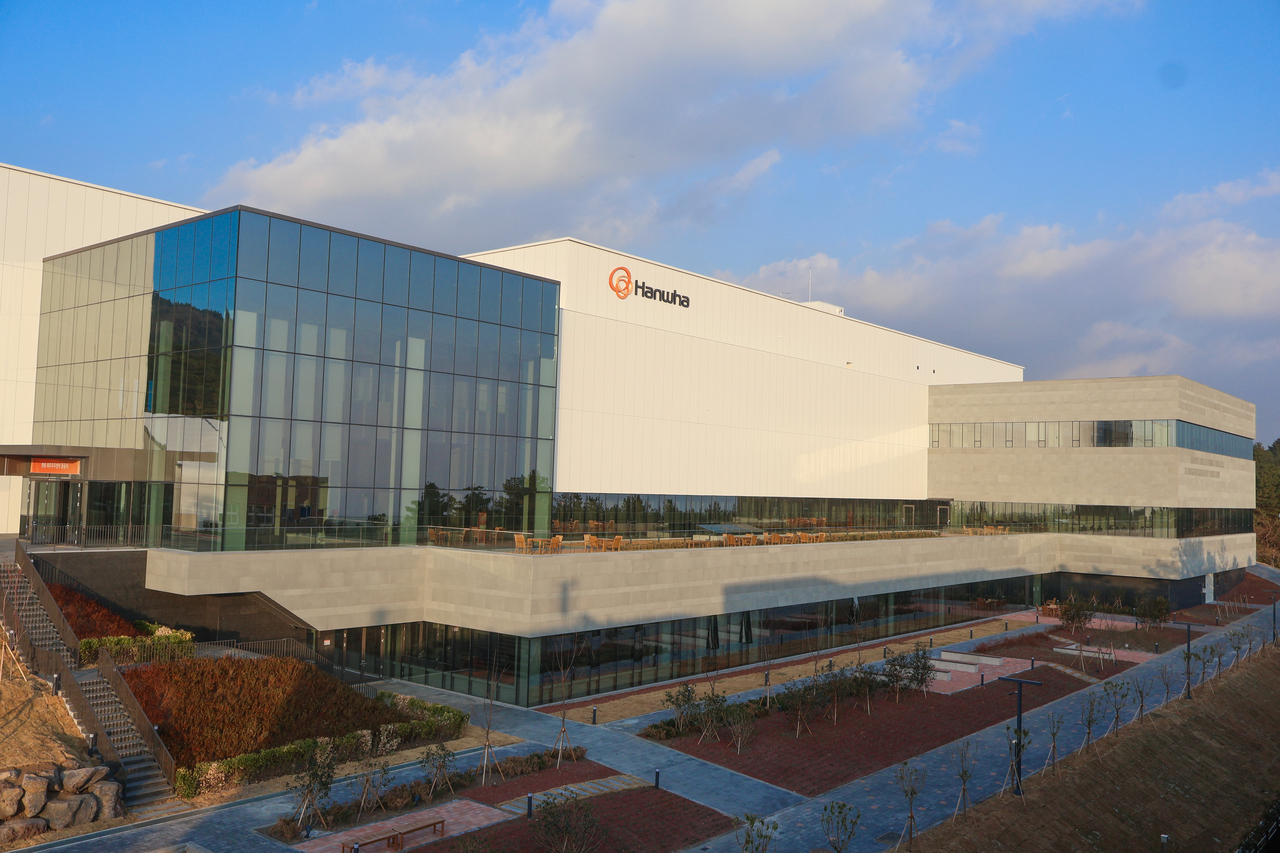
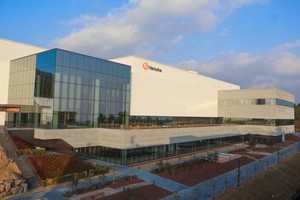
SEOGWIPO, Jeju Island — Hanwha Systems on Tuesday held an official completion ceremony for the Jeju Space Center on the Hawon Techno Campus located in Seogwipo, Jeju Island, signifying the opening of Korea’s biggest private-led satellite manufacturing facility.
With an investment of about 100 billion won ($68 million), Hanwha Systems established the Jeju Space Center with a satellite development and assembly bloc, a satellite function and condition testing facility, a satellite assessment clean room and a space control center and space environment testing facility.
“Hanwha Systems will produce up to 100 satellites per year and they will be used in various areas such as weather and climate forecast, disaster detection and resource exploration, and they are going to greatly contribute to the growth of Korea’s space industry and strengthening the national economy and security,” said Son Jae-il, CEO of Hanwha Systems, at the opening ceremony.
“Along with the successful launch of the Nuri rocket last week, Hanwha will nurture the Jeju Space Center as a key site that will lead to the advancement and prosperity of Korea’s private-led space industry ecosystem.”
Hanwha Systems said it plans to expand autonomous equipment for assembly and manufacturing later on to improve productivity in phases.
The company pointed out that Jeju Island offers optimal launch angles and secure drop zones, as it is located at the southernmost point of Korea and is surrounded by the sea on all sides, adding that the all-in-one satellite supply chain creates an integrated ecosystem that is expected to enhance the stability and efficiency of satellite-related operations.
Hanwha Systems conducted a successful launch of the self-developed small synthetic aperture radar satellite on a solid-fuel-powered space launch vehicle from off the shore of southern Jeju Island in December 2023, marking the first of its kind in Korea.
“The completion of (Hanwha Systems’ Jeju Space Center) signals a new birth of Jeju as the ‘heart of new space,” said Jeju Island's Gov. Oh Young-hun at the opening ceremony.
“We now have completed a sovereign supply chain of Jeju-made satellites flying to space from off the shores of Jeju. Combining Hanwha Jeju Space Center’s manufacturing capabilities and the infrastructure of the (Korea Positioning System), the Hawon Techno Campus will become a key foothold of Korea’s space industry.”
Private investments in space field
Jeju Island officials emphasized aims to upgrade Korea’s currently planned triangular space cluster of Daejeon, South Jeolla Province and South Gyeongsang Province to make a diamond space cluster, with Jeju Island constituting the bottom vertex of the rectangular ecosystem.
“Daejeon is focused on R&D while South Jeolla Province is about launch vehicles and South Gyeongsang Province is about satellite production,” said Kim Ki-hong, director of the Jeju Island provincial government’s space mobility division.
“We are aiming to make Jeju the fourth pillar of Korea’s space cluster by bolstering its satellite information utilization capabilities, which is the space economy’s downstream sector that take up over 80 percent of the total space-related market.”
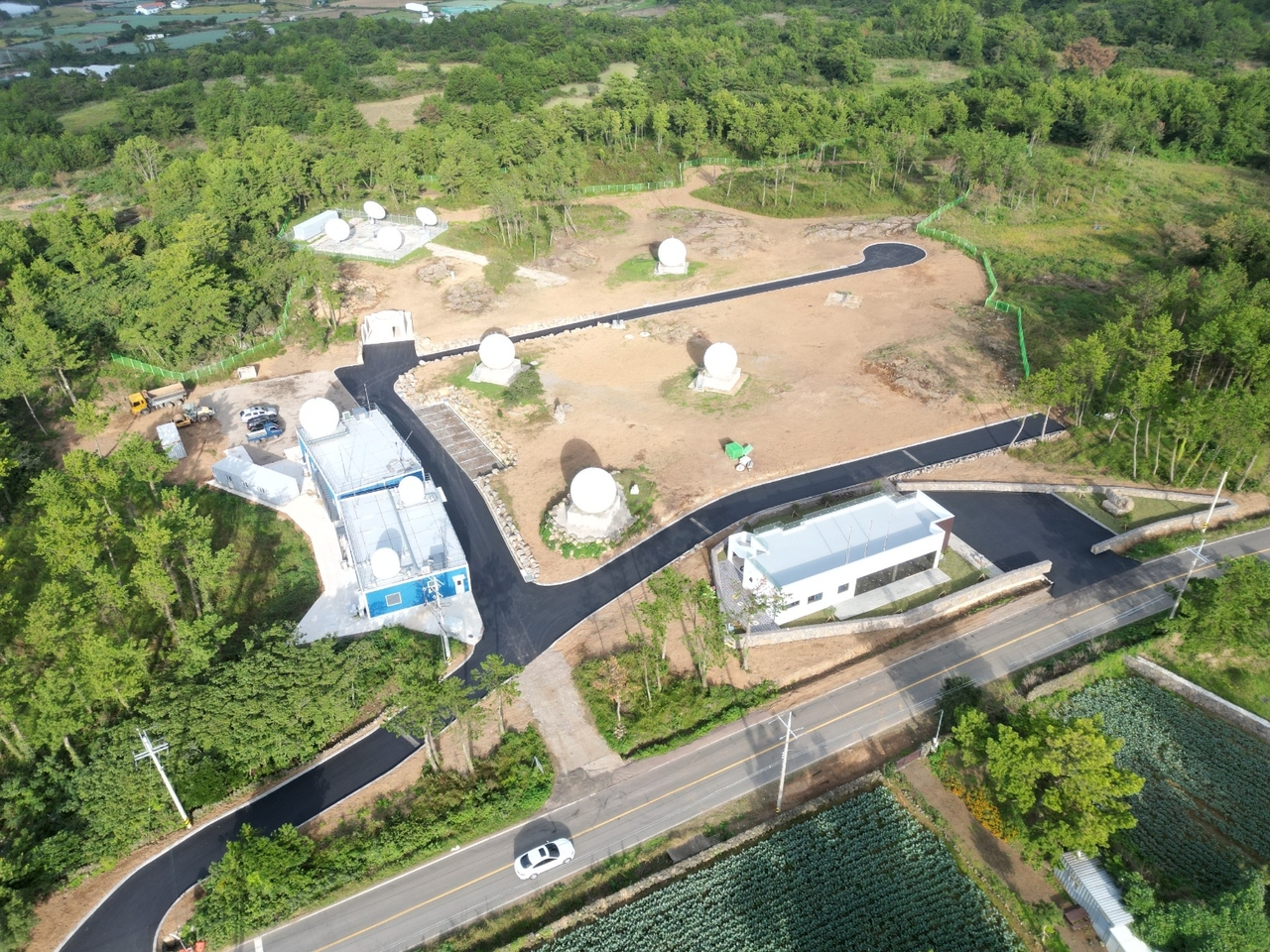
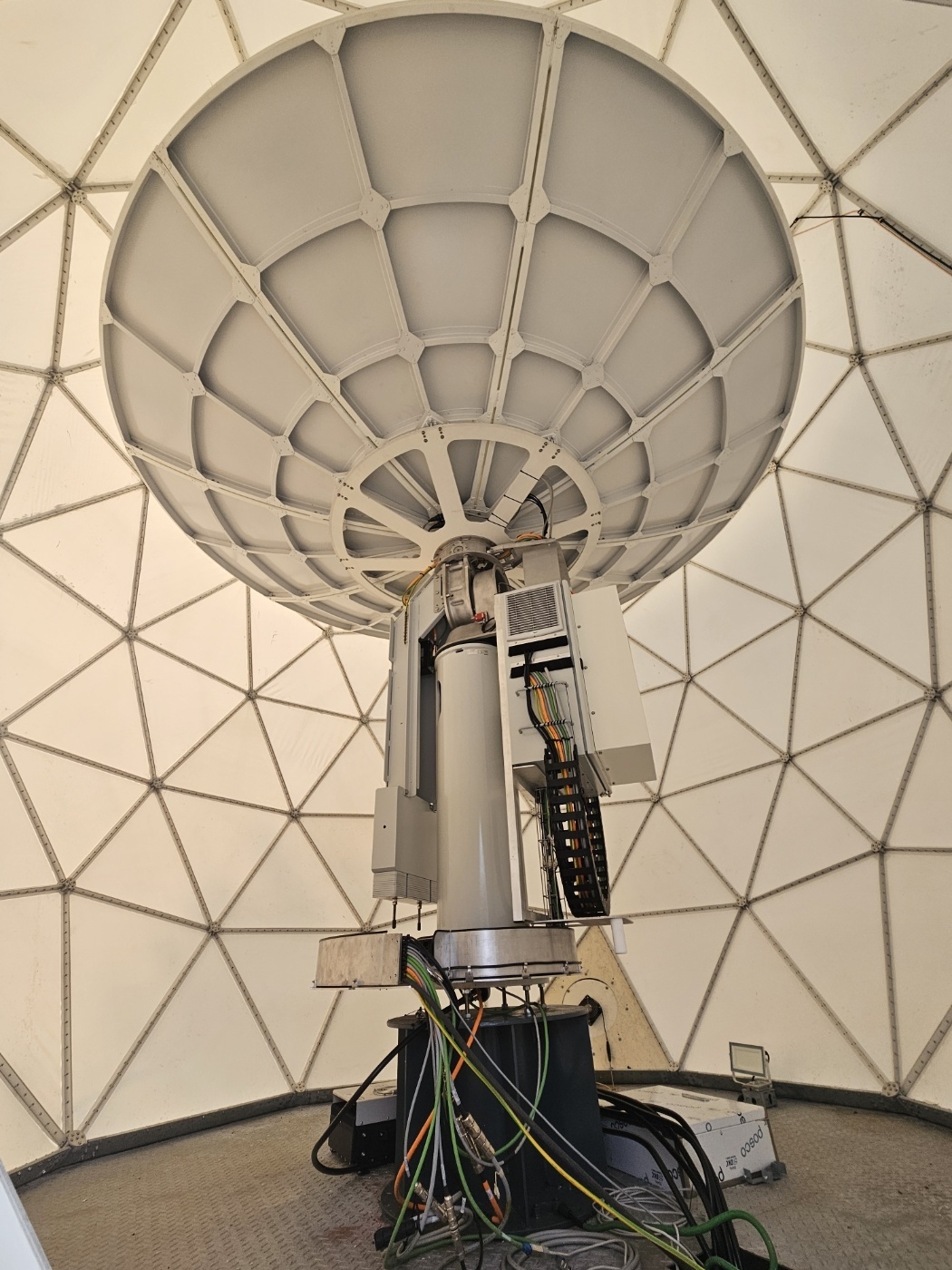
On top of Hanwha’s new facility, Contec, a Kosdaq-listed satellite-to-ground station service provider, has played a critical role in Jeju’s efforts to establish a space ecosystem in Korea’s southernmost province.
Contec, which was established in 2015 as a technological spinoff of the Korea Aerospace Research Institute, offers services in telemetry tracking and command system, preprocessing satellite raw data, detecting objects in satellite images and analyzing postprocessed data.
The satellite data solution provider set up its first ground station on Jeju Island in 2019, based on the island’s orbital and geographical advantages. It went on to establish the Asia Space Park with a 20 billion won investment on a 23,400-square-meter plot of land to offer ground station services for satellite operators across the world.
Contec, which logged 31.1 billion won in revenue last year, currently operates six antennas for transmitting satellite information at the Jeju Island site and is in talks with both domestic and overseas clients to discuss expanding the nearby area to set up more antennas.
Academic support
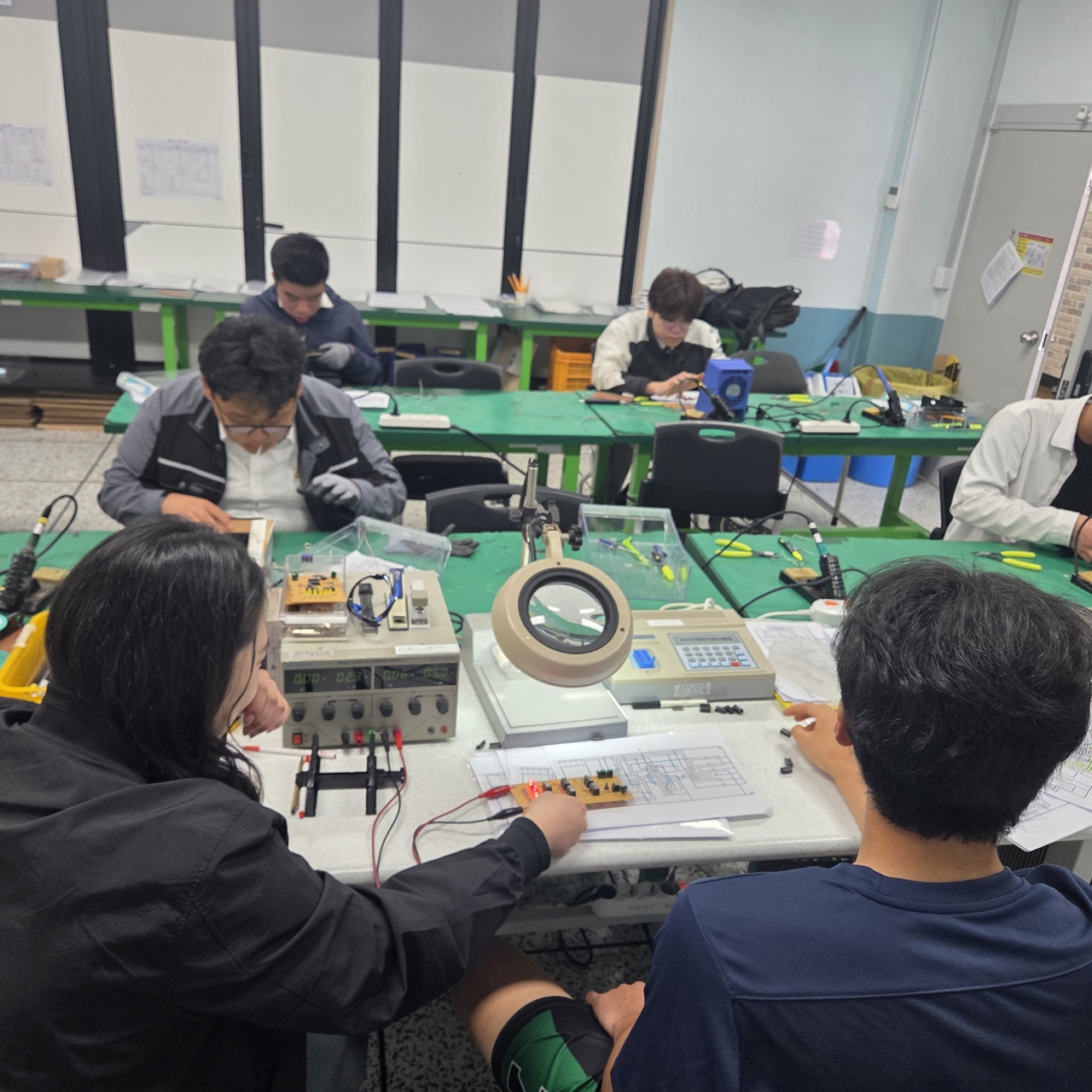
As Jeju Island has upped its willingness to grow the local space industry, the central and local government have undertaken measures to nurture space talent in the region, including rebranding Hallim Techincal High School to Hallim Aerospace High School. The school’s name is expected to be officially changed in March 2026.
Halim Techincal High School, tapped to become a specialized educational institute for cultivating aerospace experts in May last year, was deemed to receive a 13.6 billion won investment from the Ministry of Education, Jeju Island’s provincial education office and the Jeju Island provincial government. According to the school, 200 students newly enrolled at the beginning of last year.
With its five specialties of precision machinery, electric energy, information technology electronics, city construction and smart building, the school has laid out advanced courses for students to dig deeper into the aerospace sector before they either attend university or join a related company after graduation.
“We are hiring outside industrial experts as our teachers and training the existing teachers to be able to teach more advanced aerospace skills,” said Lee Chin-seung, principal of Hallim Technical High School.
“We are also building aerospace-specialized facilities so that students can learn more about the industry before they graduate.”
hwkan@heraldcorp.com