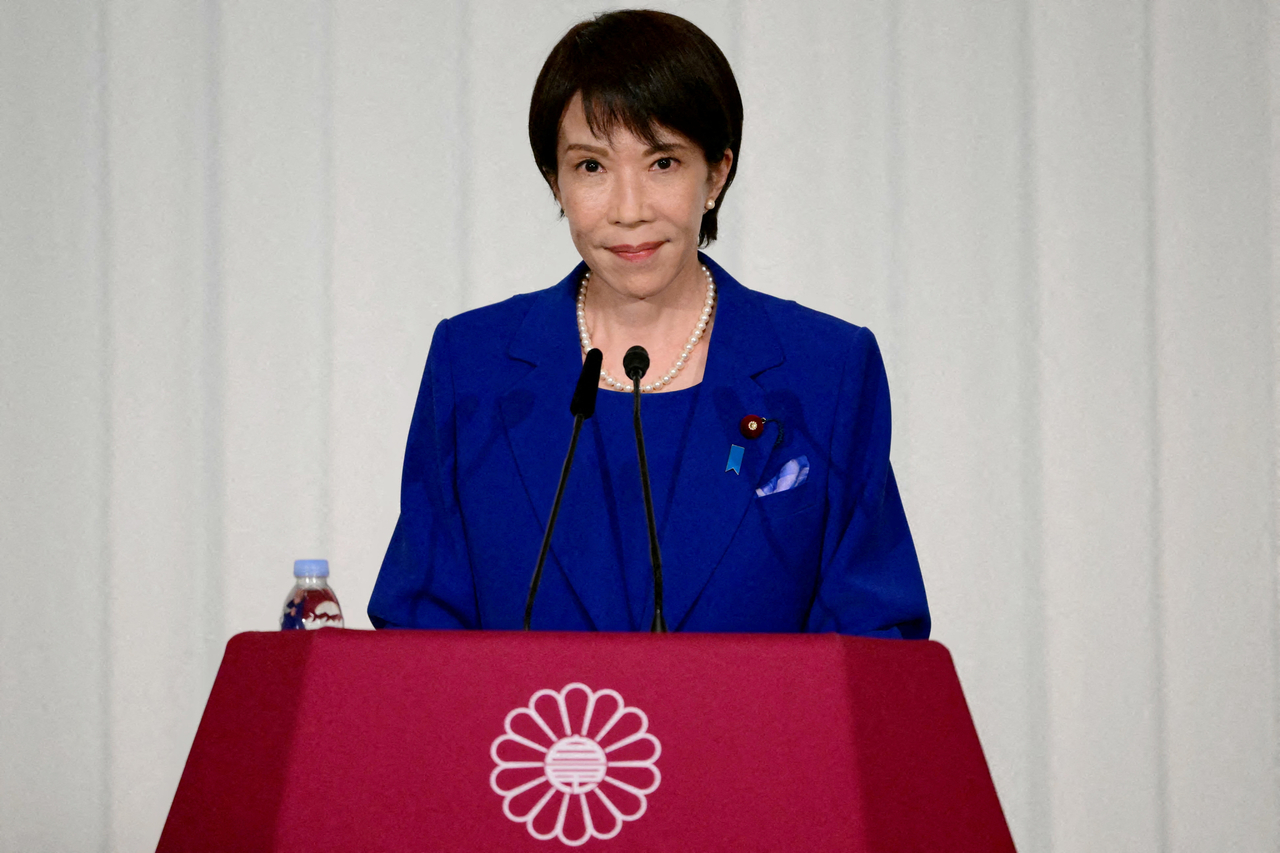
The most striking image of Northeast Asia’s current instability is not a fleet of warships, but a single remark in a Japanese parliamentary chamber. On Nov. 7, Prime Minister Sanae Takaichi warned that a Chinese move against Taiwan could create a situation that threatened the survival of Japan. Her phrasing, drawn from Japan’s 2015 security legislation, immediately escalated the political temperature.
현시점 동북아시아의 불안정을 극명하게 보여주는 것은 전함이 아니라 일본 국회의 한 회의실에서 나온 한마디이다. 11월 7일, 다카이치 사나에 일본 총리는 대만을 위협하는 중국의 움직임이 일본의 "존립을 위협"하는 사태를 야기할 수 있다고 경고했다. 2015년 개정된 일본의 안보법제에 기반한 총리의 이러한 발언은 즉각 중일 관계의 경색을 고조시켰다.
Beijing responded swiftly. Chinese officials demanded a full retraction and issued statements that read less like diplomacy and more like outright threats. One diplomat even vowed that the “dirty head” responsible would be “cut off.” Chinese military warned that any Japanese role in a Taiwan conflict would turn Japan into a battlefield, underscoring the severity of Beijing’s reaction.
중국 정부는 발빠른 반응을 보였다. 관료들은 동 발언의 전면 철회를 요구했고 외교적 수사라기보다는 노골적인 협박에 가까운 성명을 발표했다. 심지어 한 외교관은 그 말에 책임이 있는 "더러운 머리"는 "참수당할" 것이라고 단언하기까지 했다. 중국 군부는 대만과의 갈등에서 일본이 어떠한 역할이라도 하게 된다면 일본 본토가 전쟁터가 될 것이라고 경고하며 중국 정부 반응의 심각성을 강조했다.
Tokyo refused to bend. Takaichi said her comments were consistent with Japan’s long-standing security posture and grounded in the legal criteria for collective self-defense.
일본 정부는 굴복을 거부했다. 다카이치 총리는 자신의 발언은 그간 일관되게 유지해온 안보 관련 일본 정부의 입장과 일치하며 집단 자위권 관련 법적 해석에 기반한 것이라고 말했다.
The confrontation soon moved beyond rhetoric. China reinstated a ban on Japanese seafood imports and postponed talks on beef imports. It urged citizens to avoid travel to Japan, triggering mass flight cancellations and refunds. Japanese films scheduled for release in China have been delayed and cultural exchanges reduced, widening the scope of the dispute.
이러한 양국 간 대립은 곧 수사적 차원을 넘어섰다. 중국은 일본산 수산물 수입을 재차 금지시켰고 소고기 수입 관련 협의를 연기했다. 자국민들에게는 일본으로의 여행 자제를 촉구해 대규모 항공권 취소 및 환불 사태를 초래하였다. 중국에서 상영 예정이었던 일본 영화들은 개봉이 미뤄지는 등 문화적 교류에도 악영향이 미치며 갈등의 범위가 확대되는 양상을 보이고 있다.
Analysts warn that Beijing may revive rare earth export restrictions, mirroring its actions during the 2010 Senkaku crisis. Chinese forces have also intensified military signaling through drills in nearby waters.
전문가들은 2010년 센카쿠 열도 분쟁와 마찬가지로 중국이 취했던 희토류 수출규제가 부활될지도 모른다고 경고한다. 중국 군 당국은 일본과 인접한 수역에서의 훈련 실시를 통해 군사적 차원의 경고를 강화하기도 했다.
Japan’s domestic politics are shifting in response. Takaichi’s approval rating has climbed to nearly 70 percent, bolstering her call for strengthened defense capabilities. Policymakers are drafting revisions to the three major security strategy documents that would institutionalize counterstrike capacity. Figures in her circle have also suggested reconsidering Japan’s long-standing non-nuclear principles, an idea once viewed as politically unthinkable.
이에 대응해 일본의 국내정치도 변화를 보인다. 다카이치 총리의 지지도는 70%에 가깝게 상승해 총리가 제기해온 일본의 방위력 강화 주장이 힘을 받고 있다. 일본 정부 관계자들은 반격 능력을 제도화하는 3대 안보전략 문서의 개정안 움직임을 보이고 있다. 총리의 측근 인사 일부는 그간 일본 정계에서 상상하기 힘들었던 비핵화 원칙을 재검토할 것을 제안하기도 했다.
Beijing sees these debates as evidence that Tokyo is using the crisis to move toward a war-capable posture.
중국 정부는 이런 일본내 움직임이 이번 위기를 이용해 일본이 전쟁가능 국가로 전환하려는 증거라고 보고 있다.
The roots of the dispute extend far beyond a single remark. For China, Taiwan remains the ultimate red line. Any suggestion that Japan could intervene directly challenges what Beijing defines as its core interests. Chinese officials also invoke history and argue that a former colonial ruler of Taiwan should not reinsert itself into the issue. Yet the two countries have adopted positions that leave little space for compromise.
이번 논쟁은 단순히 다카이치 총리의 언급의 적절성 이상의 문제를 내포하고 있다. 중국에게 대만은 절대적 마지노선이다. 관련 사태에 일본이 개입할 수 있다는 어떠한 가능성도 중국외교의 핵심 이익을 직접적으로 위협하는 것이다. 중국 정부 관계자들은 또한 과거의 역사를 상기해 대만을 식민지배했던 일본이 재차 대만 문제에 관여해서는 안된다고 주장하기도 한다. 하지만 양국 정부는 타협의 여지가 거의 없는 입장을 택해왔다.
The longer the standoff continues, the more it unsettles the region, as neither Beijing nor Tokyo appears ready to pursue an exit strategy. The rift is already eroding trilateral cooperation. The meeting of cultural ministers from South Korea, China and Japan, scheduled for this week, was postponed at China’s request. The broader summit of the three leaders, once tentatively expected around the end of the year, now appears uncertain.
중국이나 일본 어느쪽도 출구 전략을 고려하지 않고 있는 상황에서 중일간 대립이 지속될수록 역내 불안정성은 더욱 심화될 것이다. 이러한 양국간 균열은 벌써 한중일 협력에도 악영향이 미치고 있다. 이번주로 예정된 한중일 문화장관 회의가 중국측 요청에 따라 연기되었다. 잠정적으로 올해 연말로 예상되었던 3국 정상회의도 현재로서는 개최가 불투명해졌다.
For South Korea, the risks are mounting, including the possibility of a military flare-up between China and Japan. The dispute also complicates Seoul’s effort to maintain a practical foreign foreign policy that strengthens the alliance with Washington and deepens cooperation with Tokyo while stabilizing relations with Beijing. Recent friction with Japan, including the refueling issue involving the Black Eagles aerobatic team, shows how delicate even repaired ties remain.
양국간 갈등으로 인해 한미 동맹 강화 및 한일 협력 강화와 함께 한중 관계의 안정적인 관리를 도모하려는 우리 정부의 "실용 외교" 추진 역시 더욱 복잡해졌다. 최근 발생한 공군 블랙이글스팀의 일본내 급유 문제와 같은 일본과의 갈등은 경색관계에서 회복된 한일관계가 얼마나 민감할 수 있는지를 보여준다.
South Korea must avoid polarized thinking. Taking sides offers little guidance when a single remark can unsettle the region. The priority is careful management of flashpoints with both Beijing and Tokyo to prevent spillover. Strategic diplomacy anchored in national interest remains essential.
한국은 극단적인 사고를 지양해야 한다. 한마디의 발언이 지역을 동요하게 할 수 있는 상황에서 특정 국가를 지지하는 듯한 선택은 어떠한 도움도 되지 않는다. 추가적인 사태 악화를 방지하기 위해 베이징과 도쿄 양측에 보내는 신호를 신중하게 관리하는 것이 우선되어야 할 것이다. 국익에 기반한 전략적인 외교가 여전히 가장 중요하다.
The confrontation between China and Japan signals a regional drift toward a landscape governed by raw power rather than established rules. Dialogue and competitive cooperation remain the only workable path forward. For South Korea, the lesson is clear: In a region where stakes are rising, even one unguarded sentence can heighten security risks.
중국과 일본의 대치는 동북아 지역에서 기존의 규범보다는 날것의 힘에 의해 지배되는 국제 질서로의 흐름을 시사한다. 대화와 경쟁적 협조만이 향후 실행가능한 해결책으로 남는다. 금번 사태가 한국 정부에 시사하는 바는 분명하다. 이해관계가 첨예한 지역에서는 부주의한 발언 한 마디만으로도 안보상의 위기를 초래할 수 있다는 것이다.
instability: 불안정
threatened: 위협하다
survival: 존립
escalated: 고조시키다
retraction: 철회
threats: 협박
battlefield: 전쟁터
severity: 심각성
bend: 굴복하다
rhetoric: 수사적 표현
scope: 범위
signaling: 신호 보내기
shifting: 변화하다
institutionalize: 제도화하다
unthinkable: 상상할 수 없는
evidence: 증거
red line: 금지선
core: 핵심
invoke: 언급하다
compromise: 타협
standoff: 대립
rift: 균열
uncertain: 불확실한
complicate: 복잡한
friction: 마찰, 균열
flashpoints: 신호
khnews@heraldcorp.com