K-pop agencies see limited impact on Japan touring but quietly take precautions
The escalating geopolitical tension between China and Japan is spilling into their cultural sectors, raising fears of a broader boycott and placing K-pop in a precarious position. Korean entertainment companies hope their artists will remain insulated from the fallout, but they are watching developments closely.
Signs of a possible cultural freeze emerged Friday when Maki Otsuki, the Japanese singer behind the theme song for the hit anime “One Piece,” was abruptly pulled off the stage during a concert in Shanghai held as part of the Bandai Namco Festival 2025. Japanese girl group Momoiro Clover Z, scheduled to perform the following day, was also affected after the entire event was suddenly canceled by the local organizer. Other artists, including pop star Ayumi Hamasaki and jazz pianist Hiromi Uehara, have also seen performances scrapped in China.
Japan has taken a more cautious stance, trying to prevent the political tensions from widening into cultural retaliation, though signs of public sentiment shifting toward a boycott of China have begun to surface.
The friction coincides with K-pop girl group Aespa's announcement that it would appear on NHK’s Red and White Singing Contest, one of Japan’s most-watched year-end music shows. More than 70,000 people have signed a petition demanding the group be removed from the lineup, arguing the performance could “damage Japan’s image” and offend survivors of historic tragedies. Member Ningning is Chinese, and back in 2022 had shared with fans an image of a lamp resembling an atomic bomb detonation.
Limited impact on Japan
The K-pop industry is fully aware of the geopolitical strain between the two countries and hopes the situation stabilizes quickly, as both markets are core to its business. Still, agencies say they do not expect the tension to affect K-pop performances in Japan.
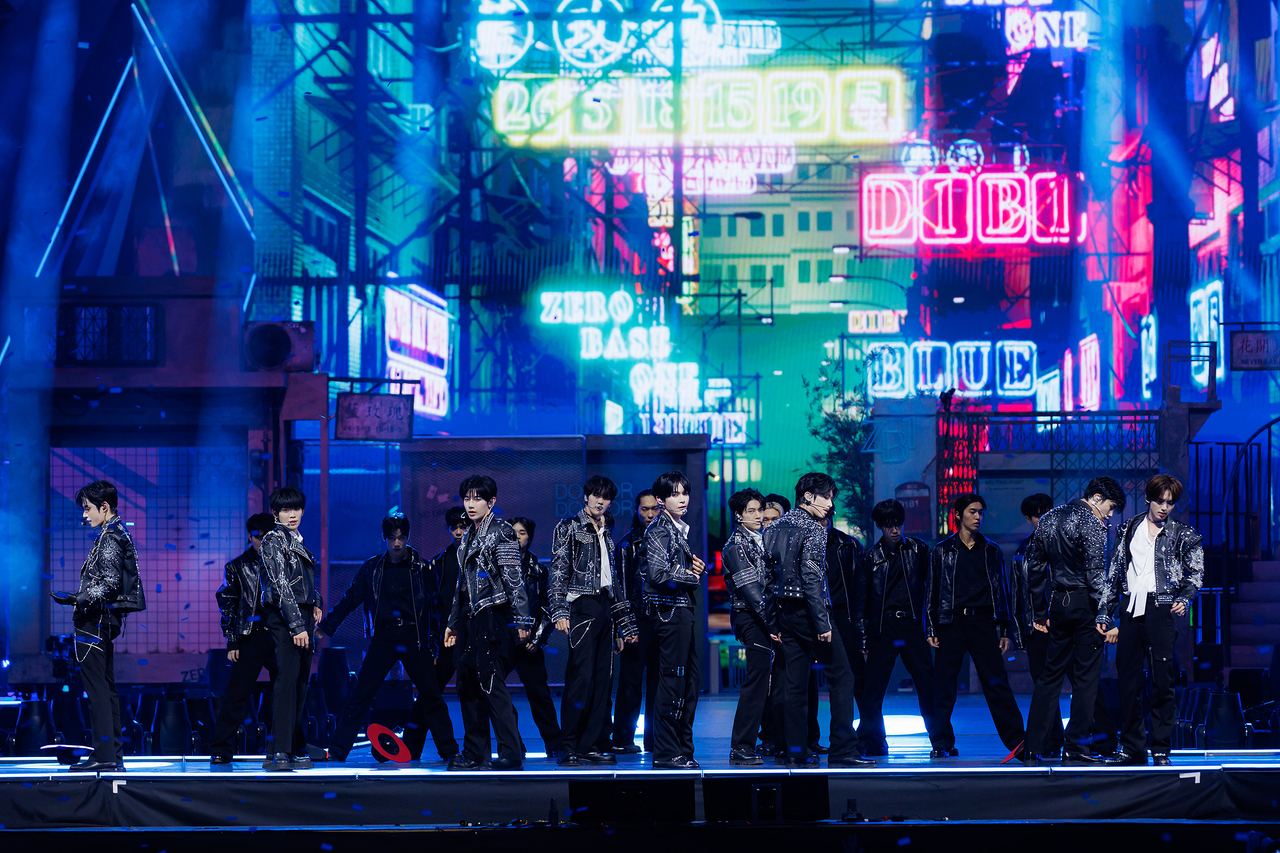
Many K-pop groups include Chinese members and regularly tour Japanese cities. In December, major acts such as Seventeen, Babymonster and Tomorrow X Together are set to perform across Tokyo, Nagoya and Fukuoka. While Babymonster and TXT do not have Chinese members, Seventeen has two members from China, Jun and The8. Boy group Zerobaseone, which will perform at the 2025 Music Bank Global Festival in Tokyo on Dec. 13-14, also has two Chinese members, Zhang Hao and Ricky.
None of their agencies — Pledis Entertainment, YG Entertainment, Big Hit Music and WakeOne — believe their Japan shows will be disrupted. Many declined to comment on the geopolitical issue.
“Aespa’s case is a little different. The backlash in Japan targeted Ningning specifically because of a controversial Instagram photo, which upset many Japanese fans,” an industry official said on condition of anonymity. “There is no issue regarding Chinese K-pop members performing in Japan. The story changes when the situation is reversed.”
Still, K-pop companies quietly advise their artists to avoid political remarks during events in any country.
“PR officials and managers always caution artists before events to refrain from making official political statements,” said an official from a major entertainment agency. “Every company instructs its trainees in advance and briefs them ahead of overseas concerts about any sensitive issues in the host country.”
Ongoing Hallyu ban fuels caution
K-pop agencies are sensitive to the possibility of a Chinese boycott partly because of their own experience. Although Beijing never formally announced a ban on Korean entertainment, no major K-pop concerts were held in mainland China for nine years following tensions over South Korea’s deployment of the US THAAD missile defense system in 2016.
Hopes for a thaw dimmed again in September when the long-awaited 2025 Dream Concert, expected to mark a symbolic lifting of the unofficial restrictions, was postponed indefinitely after failing to secure local approval. The large joint performance — which would have been the first of its kind in China in nearly a decade — was set to take place in Sanya, Hainan province. Organizers notified agencies of the indefinite postponement, effectively canceling the show.
Just a month earlier, a fan meeting for girl group Kep1er, under CJ ENM’s music label WakeOne, was canceled in China two weeks before the event, with no clear explanation provided.
jaaykim@heraldcorp.com