Retroactive 15% duties follow investment deal, giving Korean companies more room to navigate US market risks
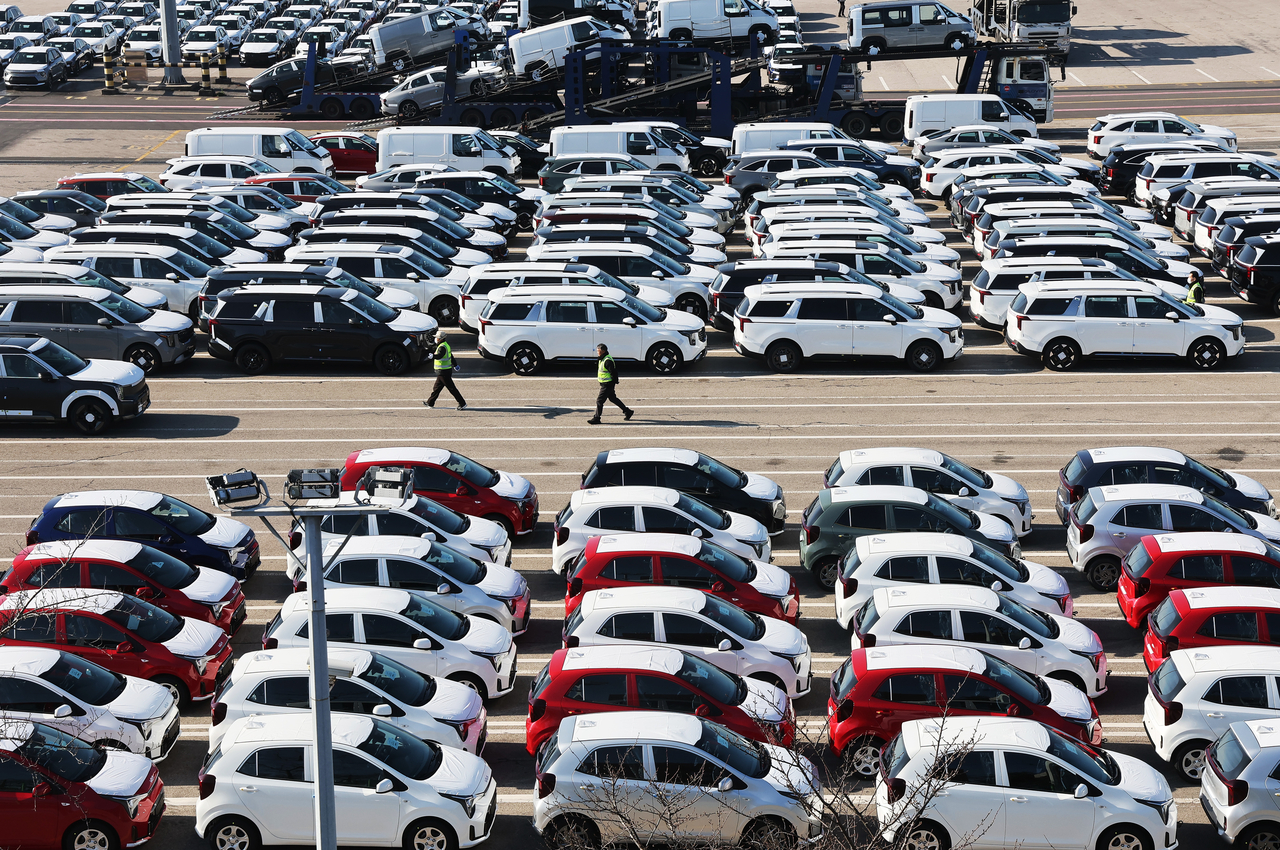
The US has confirmed a tariff cut to 15 percent on key South Korean imports such as automobiles, aircraft and lumber in the Federal Register, prompting relief from Seoul and industry groups that say the move eases a major source of trade uncertainty.
The implementation comes a little over four months after negotiators first secured a framework deal in July to cut the tariffs in return for Korea’s pledge to invest $350 billion. After months of deadlocks, the two countries finalized the deal in October, followed by a subsequent joint fact sheet on Nov. 13 and the investment memorandum of understanding announced on Nov. 14.
“It is a relief that the US has confirmed tariff reductions on key export items such as automobiles and auto parts — our largest export items to the US — as well as aircraft and related components and wood products, easing uncertainty for our exporters and giving them some breathing room,” Industry Minister Kim Jung-kwan said Thursday in a statement. “We will actively work to resolve difficulties that companies encounter during the export process such as tariff response consulting and the tariff voucher system.”
The administration of US President Donald Trump on Wednesday posted a document to the Federal Register to implement tariff-related elements of the Korea-US Strategic Trade and Investment Deal, one day before its scheduled official publication on Thursday.
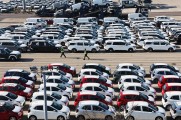
In the document by the Department of Commerce and the Office of the US Trade Representative, it affirmed that the duty rate on Korean automobiles and auto parts will be reduced from 25 percent to 15 percent, applied retroactively to Nov. 1.
It also stipulates a lowered "reciprocal" tariff rate of 15 percent on Korean products.
Imports of timber, lumber and their derivatives and wood products, as well as certain aircraft and aircraft parts will also face a 15 percent tariff rate, retroactive to Nov. 14.
The South Korean business community welcomed the tariff announcement as a long-awaited end to uncertainty hanging over bilateral trade.
“The decision removes uncertainty surrounding tariff negotiations and provide a more stable basis for Korean exporters to formulate US market strategies,” said Yoon Chul-min, head of international trade at the Korea Chamber of Commerce and Industry. “This is expected to have a positive effect on expanding business opportunities for Korean companies in the US market.”
But Yoon noted that the agreed tariff levels still pose a burden on Korean industries and difficulties still remain in sector-specific tariffs. “We hope the two governments will continue consultations that can lead to further reductions.”
The Federation of Korean Industries issued a similar statement, saying the publication in the Federal Register “eased uncertainty Korean companies faced in their US operations and establishes a more stable footing for future bilateral economic cooperation.”
“Based on this, we hope that upcoming consultations on specific implementation measures will also proceed under the principles of mutual benefit and the strategic alliance between the two countries,” said the FKI.
The Korea International Trade Association welcomed the retroactive confirmation, saying that exporters’ cost burdens and external uncertainties would be significantly eased.
“We also highly appreciate the swift legislative preparations undertaken by our government and the National Assembly, as well as the prompt implementation of the tariff cuts by the US government,” the association said. “We further hope the National Assembly will quickly pass the relevant legislation to solidify the institutional foundation for implementing the bilateral agreement and to ensure that follow-up discussions proceed smoothly.”
The Korea Automobile & Mobility Association echoed the positive outlook, saying the decision removes uncertainty in the auto export environment and eases the burden on companies. “With the 15 percent tariff now applied to automobiles, the industry expects to compete on equal footing with Japan and the EU.”
sahn@heraldcorp.com