Coupang’s deep integration into everyday life — from next-day delivery to streaming — makes immediate exit unrealistic for many
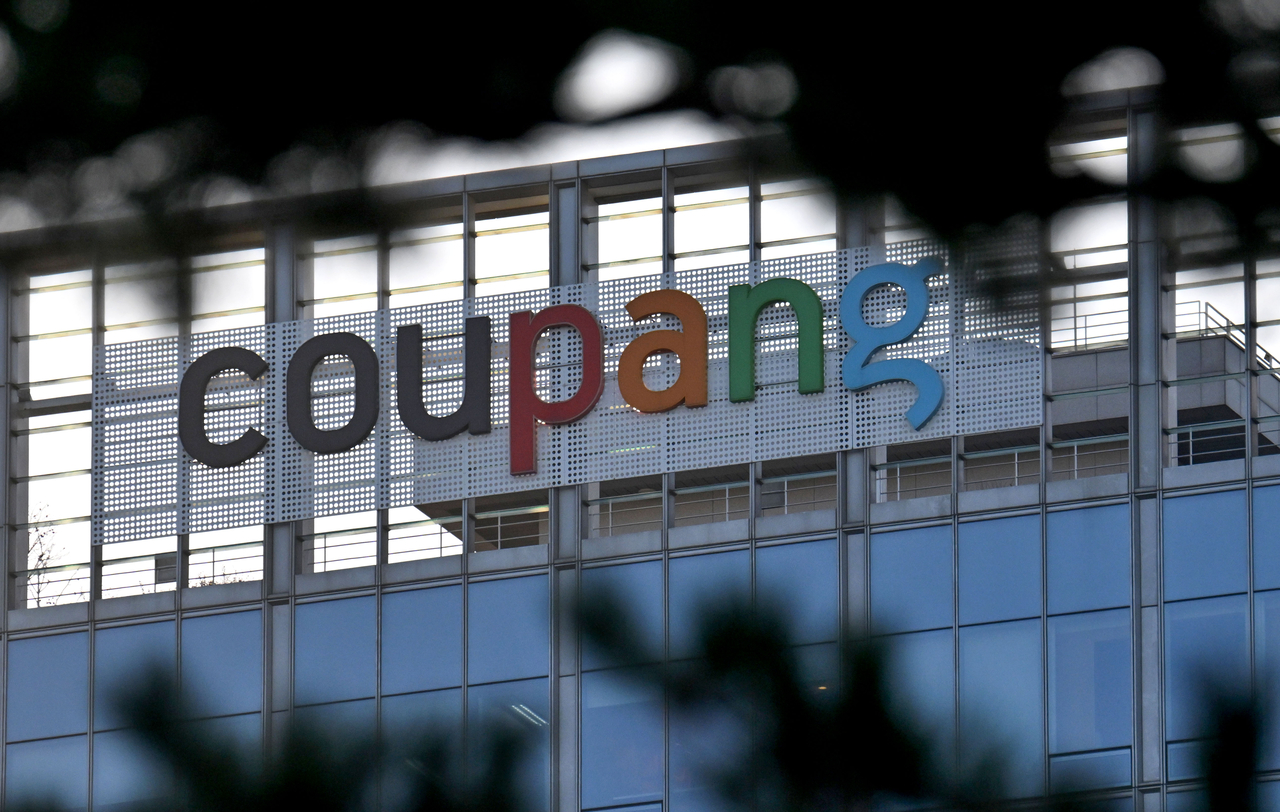
The fate of South Korea’s largest e-commerce platform, Coupang, hangs in the balance after a devastating data breach that exposed nearly all of its 33.7 million user accounts, a crisis of exceptional weight given how embedded the platform is in the daily lives of millions.
There is outrage among the nearly three-quarters of the population affected by the cybersecurity lapse that led to the leakage of consumer data, including names, phone numbers, email addresses and shipping addresses. But many are also conflicted over how to respond to a service that manages everything from groceries and daily essentials to late-night food orders and streaming entertainment.
Founded in 2010, Coupang swiftly reshaped Korea’s retail ecosystem with its next-day delivery service Rocket Delivery, fueled by substantial investments from global backers such as SoftBank’s Vision Fund.
Last year, Coupang’s $30.3 billion in revenue cemented its lead over retail giants Shinsegae and Lotte Shopping.
Its unmatched logistics network highlights the extensive reach of its delivery services, with 228 logistics warehouses across the country, including all facilities operated by Coupang Logistics Service and Coupang Fulfillment Services, as of August.
The convenience of fast delivery has driven users to subscribe to Coupang’s monthly Wow membership, priced at 7,890 won ($5.40), strengthening customer loyalty. As of the third quarter, Coupang reported 24.7 million active customers.
The membership service has helped anchor customers to Coupang’s ecosystem with added perks like free food delivery via Coupang Eats and access to Coupang Play. As of August, Coupang Eats had become the leading food delivery app in Seoul, while in October, Coupang Play ranked second among domestic platforms with 7.95 million monthly active users, behind only Netflix with 15.04 million.
This makes it all the more difficult for users to walk away from such a wide range of services overnight, as the convenience of the Wow membership outweighs the frustration for many.
According to Kim, a 30-something office worker, the problem goes beyond free delivery. “Next-day delivery is hard to give up, but so are free food delivery from Coupang Eats and access to Coupang Play, which now offers exclusive drama series and live sports,” Kim said.
Experts warned that the data breach, indicative of structural weaknesses in platform-based models that prioritize rapid growth over internal controls, could push away users sensitive to security issues.
“Loyal users may stay, but Coupang could lose some less frequent customers,” said one industry expert, adding that its fall from grace may give rival platforms a chance to gain ground. Among them are Naver, whose artificial intelligence-powered platform has posted strong growth, and the strengthening partnership between Gmarket and AliExpress Korea.
Coupang maintains that more sensitive information, such as personal customs clearance codes, was not compromised. However, heightened user anxiety has driven some to take legal action.
The first such case was filed Monday, when Lawfirm Chung submitted a complaint to the Seoul Central District Court on behalf of 14 clients, seeking 200,000 won per person in privacy-related damages.
“We began with a small, select group as a preemptive step, since lawsuits like this tend to take a long time,” said attorney Kwak Jun-ho, adding that the number of plaintiffs could grow.
Other law firms, such as Jihyang Law and Lawpid Legal Services, are now recruiting participants for a collective suit against Coupang. Jihyang Law, previously involved in lawsuits over data breaches at Homeplus, stated that it is seeking 300,000 won per person for emotional distress and potential secondary harm.
minmin@heraldcorp.com