From royal gift to farmer's auspice, what snow meant to Joseon-era Koreans
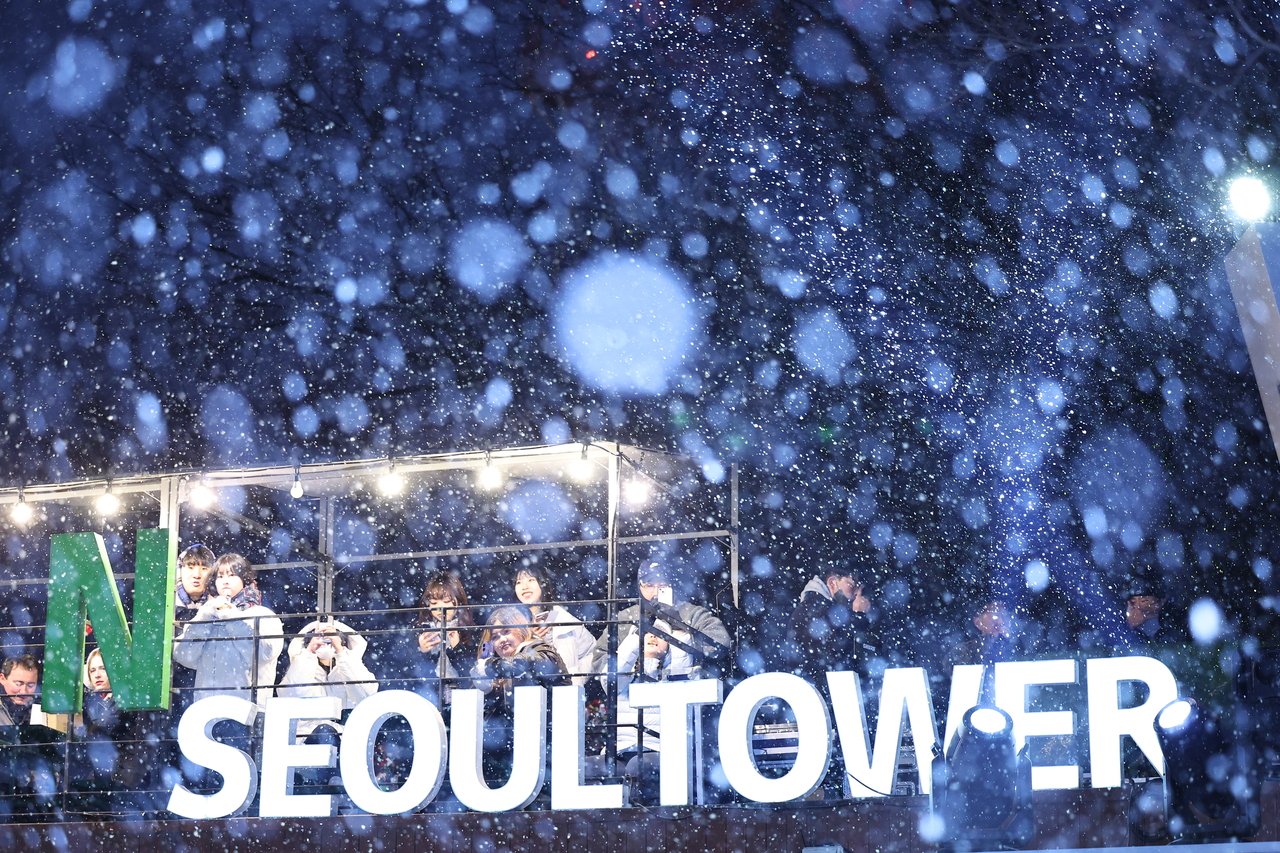
Seoul saw its first snowfall of the season on Thursday, as temperatures dipped below zero degrees Celsius.
People filed out of their homes, schools and offices to catch a glimpse of the season's first wintry weather.
In contemporary Korea, snow carries a tender, almost cinematic meaning. Couples often promise to meet when they see the first snow, and many singles make bold moves, believing that confessing one’s love under the first flakes will guarantee success. The white snow that blankets the city is seen as a symbol of innocence and new beginnings.
But in the past, this meteorological event was perceived in very different ways. Historical records show that snow was once a royal gift, a farmer’s symbol of bounty and even a backdrop to feasts and games.
First snow: A gift and a joke
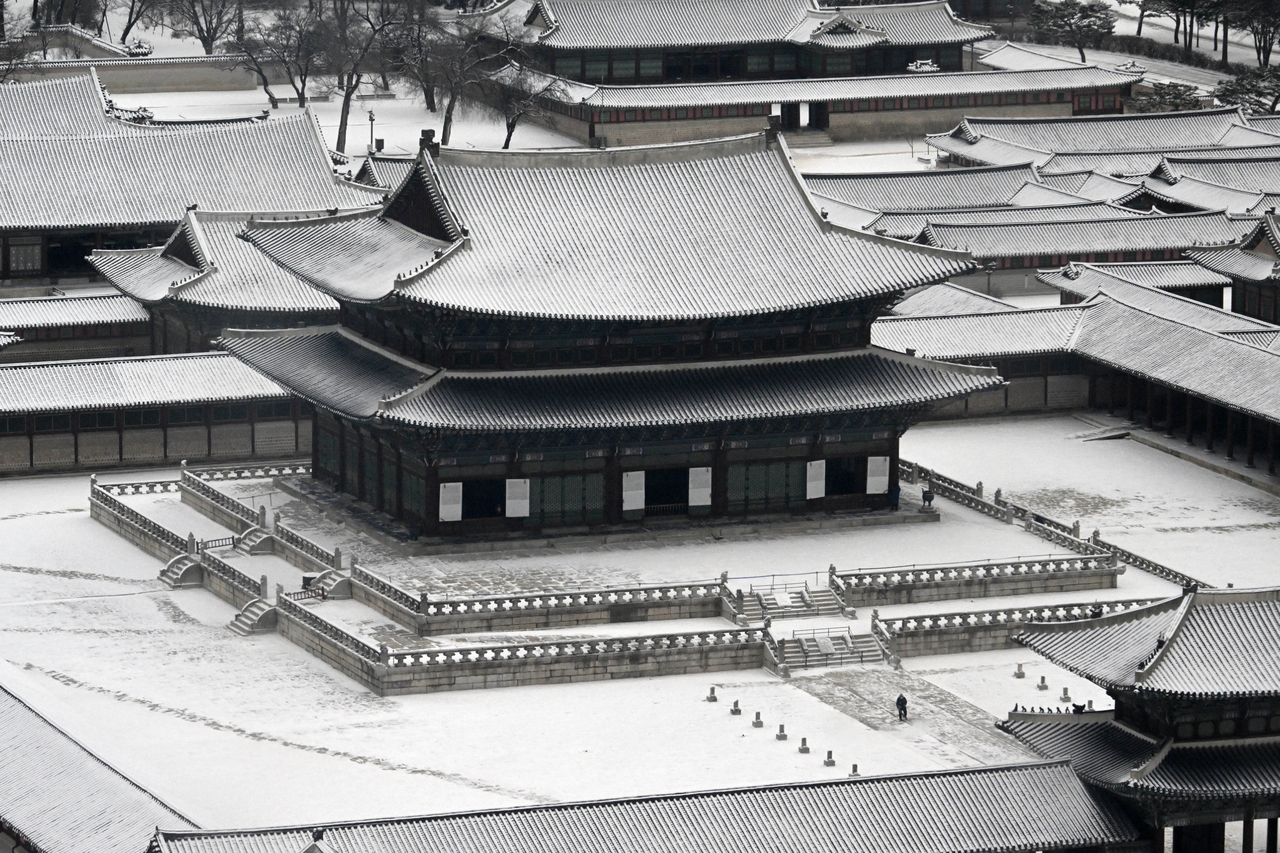
According to the "Veritable Records of the Joseon Dynasty," a collection documenting the reigns of Joseon kings, the custom of gifting the first snow dates back to the Goryeo Kingdom (918–1392) and the Joseon era (1392–1910).
During the reign of King Sejong (1418–1450), his father, the retired King Taejong, and his brother King Jeongjong reportedly played playful pranks on each other with the first snow.
“The Retired King (Taejong) called the season’s first snow ‘medicine’ and, as a jest, sent court official Choe Yu to deliver it to the Former Retired King (Jeongjong). The Former Retired King, having heard of it beforehand, ordered someone to chase and catch Choe Yu, but they failed,” the record reads.
The annals go on to explain the broader Goryeo custom: “When the first snow fell, people would wrap some of it and send it to one another. The recipient was expected to treat the sender to a meal. However, if the recipient caught the messenger en route, the sender owed the meal instead.”
What began as a seasonal gesture of friendship became a light-hearted social game.
But snow was not always considered auspicious. Another entry from 1417 records King Taejong’s refusal to accept the gift of snow from his officials. “Do you think this snow is a blessing?” he reportedly rebuked them.
King Sejong, too, once declined the gesture. “There were thunder and earthquakes in winter. How could I celebrate the first snow?” he said in 1418, according to the royal records.
Hunting in the snow
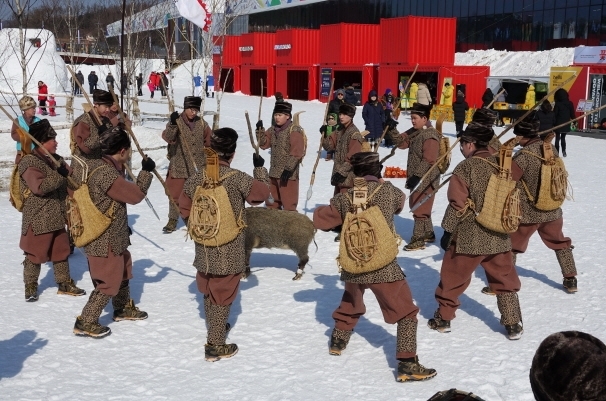
Snow arrived early and in heavy layers in Korea’s mountainous regions. For nobles in Gangwon Province, it signaled the start of a grand communal hunt on Hwangbyeongsan.
According to the "Encyclopedia of Korean Culture," this hunt, called "Hwangbyeongsan sanyang," took place once snow had piled up to about one meter on the mountain in Pyeongchang, Gangwon Province. Hunters equipped themselves with long spears, hay-woven snowshoes and wooden sleds shaped like skis, then climbed to around 700 meters for the chase.
Joseon scholar Yi Sik, who lived near modern-day Pyeongchang, described the thrill in verse:
“When the snow piles three gil high on Mount Bongrae … lifting the front and back as if boarding a boat, the two poles become golden whips in my hands. I glide slowly atop the mountain, then descend like wind, dodging dead trees, while bewildered hares, roaring tigers, boars and one-horned cows dare not flee.”
Such hunts blended sport, ritual and camaraderie. Participants gathered first at a temple to pay respects to mountain spirits before setting off.
The practice became so widespread that King Sejong briefly banned it in 1419 after record snowfalls, citing safety concerns.
This hunt became a designated Intangible Cultural Heritage by Gangwon Province in 2007.
A snow-day delicacy
For the Joseon aristocracy, snow days also meant a special meal: seolyamyuk, literally “food you crave on a snowy night.”
It consisted of thinly sliced, marinated beef roasted slowly over a fire, only at night. Between rounds of grilling, the slices were chilled under snow, then returned to the flame, again and again, until the meat was evenly cooked and tender.
Seventeenth-century scholar Hong Man-seon noted in his writings that some cooks also submerged the meat in water and coated it with sesame oil before roasting.
Snow for the fields
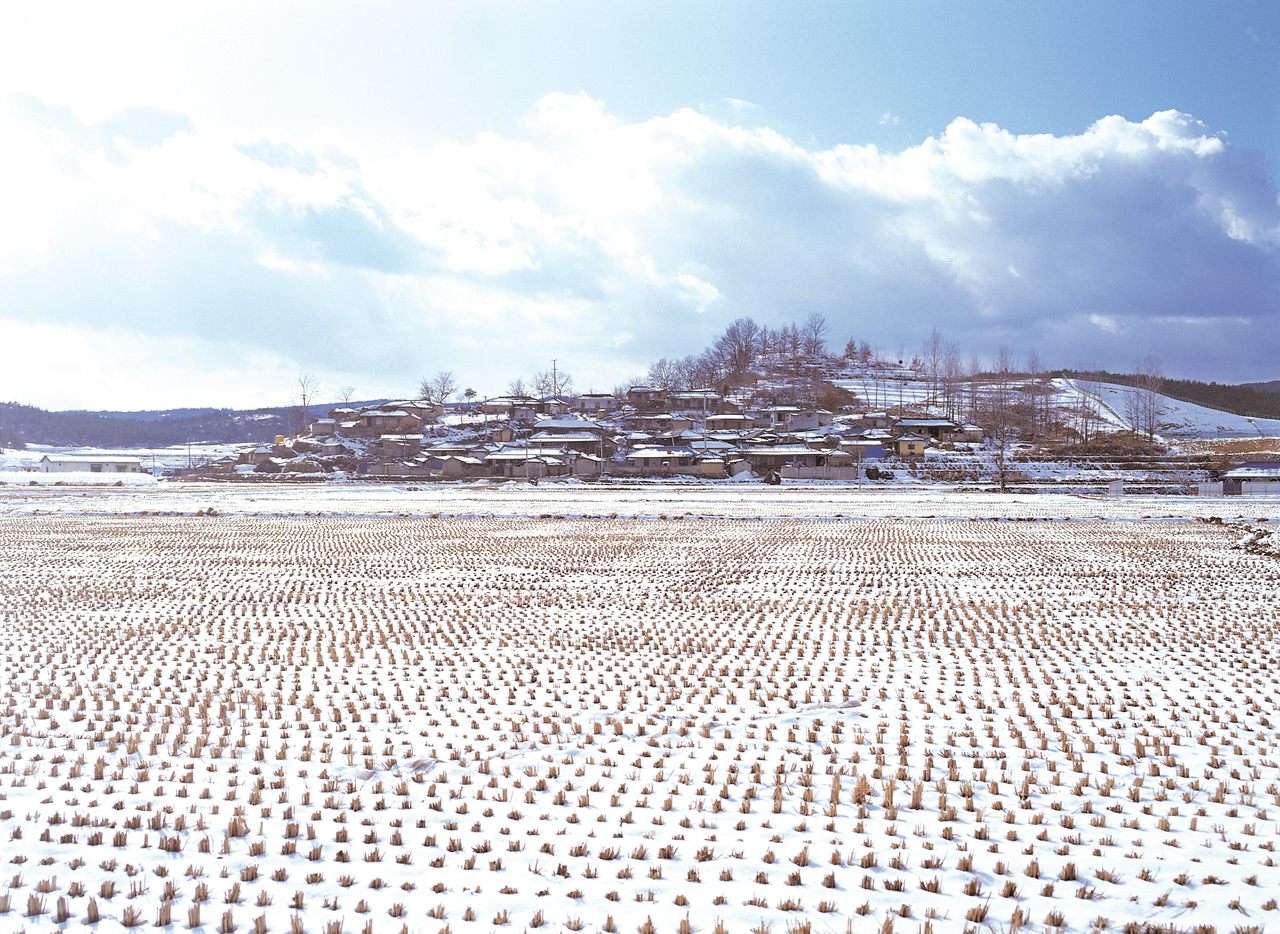
For Joseon-era farmers, snow held more than beauty — it held promise. They believed melted snow carried the “spirit of the five grains,” ensuring fertile fields in the year ahead.
In September, before snow fell, farmers rushed to build dams and small reservoirs to store it for irrigation. A record from 1784 reads: “Constructing reservoirs to store water veins is the foremost task in farming. On the first day of the first lunar month, about half a ja of snow fell; when rain comes later, it must be collected and stored.”
Snowfall was also a barometer of fortune. In 1469, the Grand Queen Dowager asked, “They say one can foretell next year’s harvest by the snowfall. What does this winter tell us?”
To a similar inquiry by King Sejong in 1425, Minister of War Cho Mal-saeng replied, “If the winter is not cold, there will surely be frost in spring. But there will be an abundance of barley and flour.”
seungku99@heraldcorp.com