Budget up 11.2% on-year, K-content gets biggest boost
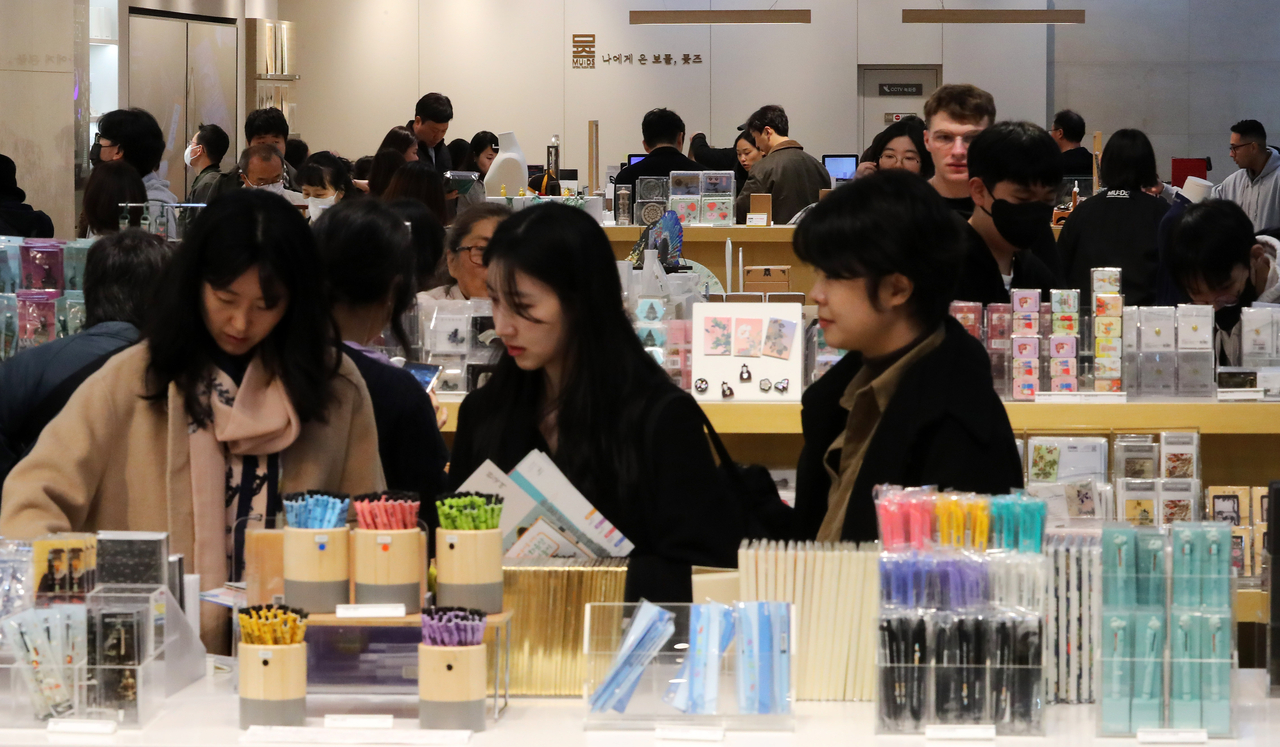
The Ministry of Culture, Sports and Tourism announced Wednesday that its 2026 budget has been finalized at 7.85 trillion won ($5.35 billion), an 11.2 percent increase from 2025.
The ministry said the increased funding is designed to accelerate what it calls the “300 trillion-won K-Culture era,” strengthening the cultural sector as a national strategic industry while expanding public access to culture, tourism and sports.
The largest increase appears in the content sector, which has been allocated 1.617 trillion won, up 27 percent from a year ago, marking the most substantial year-to-year rise within the spending plan.
The government aims to solidify the content industry as a core driver of economic growth, focusing on expanding financing for K-content, encouraging the use of artificial intelligence in content creation, improving the performance environment for popular music, developing new cultural complexes, facilitating AI-driven transformation of the game development ecosystem, and strengthening support for broadcast and over-the-top content production.
The culture and arts sector has also received notable attention, with its budget rising to 2.67 trillion won, an increase of 283 billion won, or 11.9 percent from 2025. The government has pledged to enhance support for young creators, expand assistance for the musical theater industry under the “K-Musical” initiative, reinforce welfare safety nets for artists, and introduce new financial instruments for the arts industry.
Programs designed to increase cultural accessibility, such as the Youth Culture and Arts Pass and the Integrated Culture Voucher, have also been expanded, signaling an effort to make artistic participation more inclusive.
The sports sector will see a more modest increase, with the 2026 budget set at 1.7 trillion won, 24.8 billion won above this year's. Funding will be directed toward upgrading public sports facilities, introducing new programs tailored to senior citizens, training reserve national athletes, supporting employment stability for sports professionals and expanding financial resources for the sports industry.
The culture ministry's increased budget reflects the Lee Jae Myung administration's comprehensive five-year blueprint to solidify South Korea’s status as a global cultural powerhouse.
The plan, announced in August, sets ambitious growth targets for the K-culture industry, aiming to expand its market value from an estimated 206 trillion won in 2023 to 300 trillion won by 2030, while increasing cultural exports to 50 trillion won and attracting 30 million inbound tourists annually — nearly double the 16.37 million visitors recorded in 2024.
gypark@heraldcorp.com